Looking for Family Roots in Calabria
Ancestry research. The reason we came to this part of Italy is because half of my family came from Italy three generations before me. I’ve been thinking for years that I’d like to explore the area where my great-grandparents came from, but never took the time to research and plan the trip until this year. We planned to be 3-1/2 weeks in a part of the world we’ve never been, so the planning was a big deal! A lot more than just going to Barcelona for the 13th time!
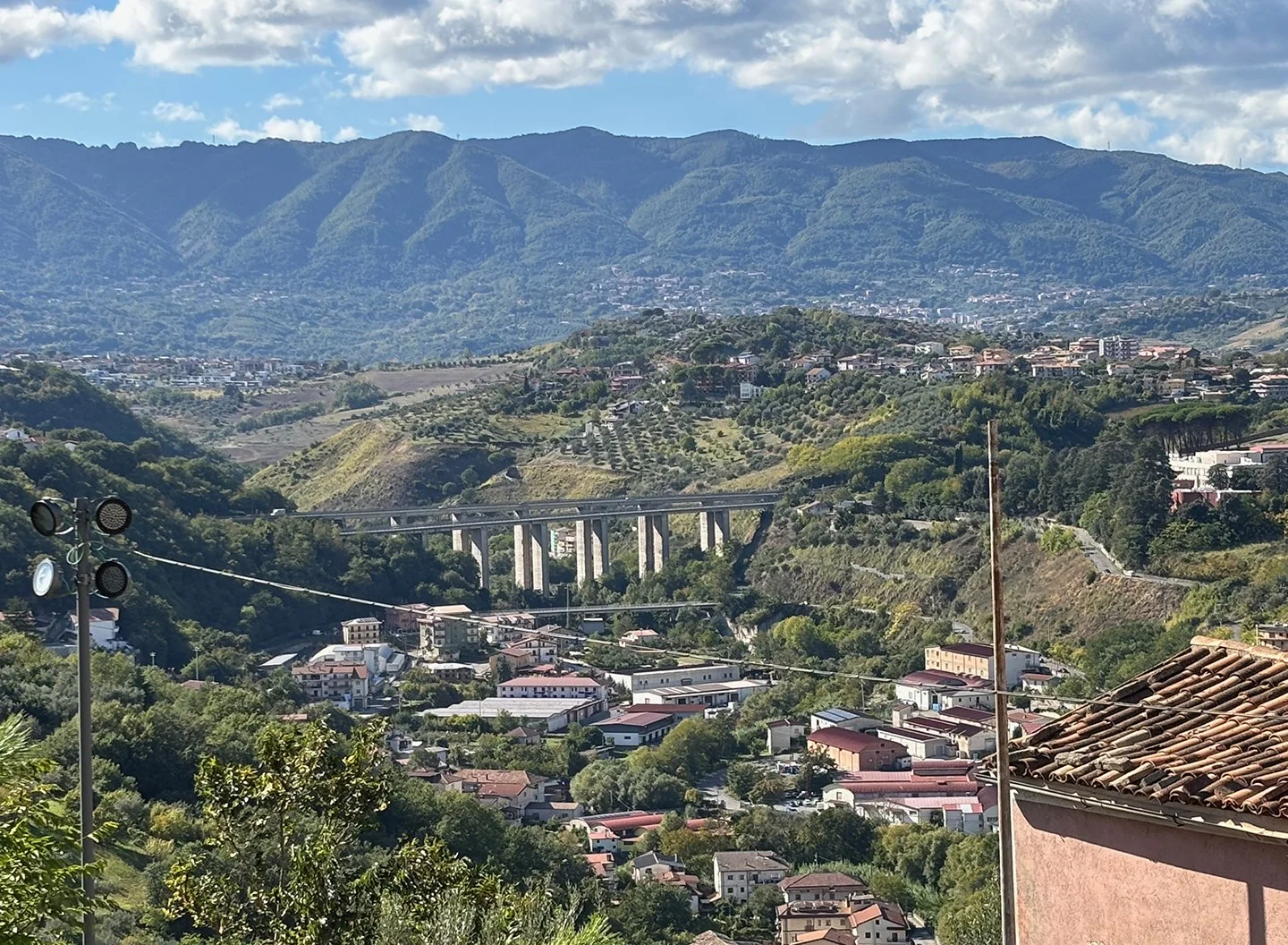
Heading south from Guardia in Campania, we had a scenic drive south. Thank goodness for Google mapping, but even still, these congested, small and twisty roads were a big challenge. Sure, Google might tell you “in 1 kilometer, turn left on road 6320” but there are no signs saying what number road you’re on! Barely ever in the rural areas. So, a few wrong turns were made, but we did our best to keep calm and keep safe!
Quattromiglia, Province of Cosenza
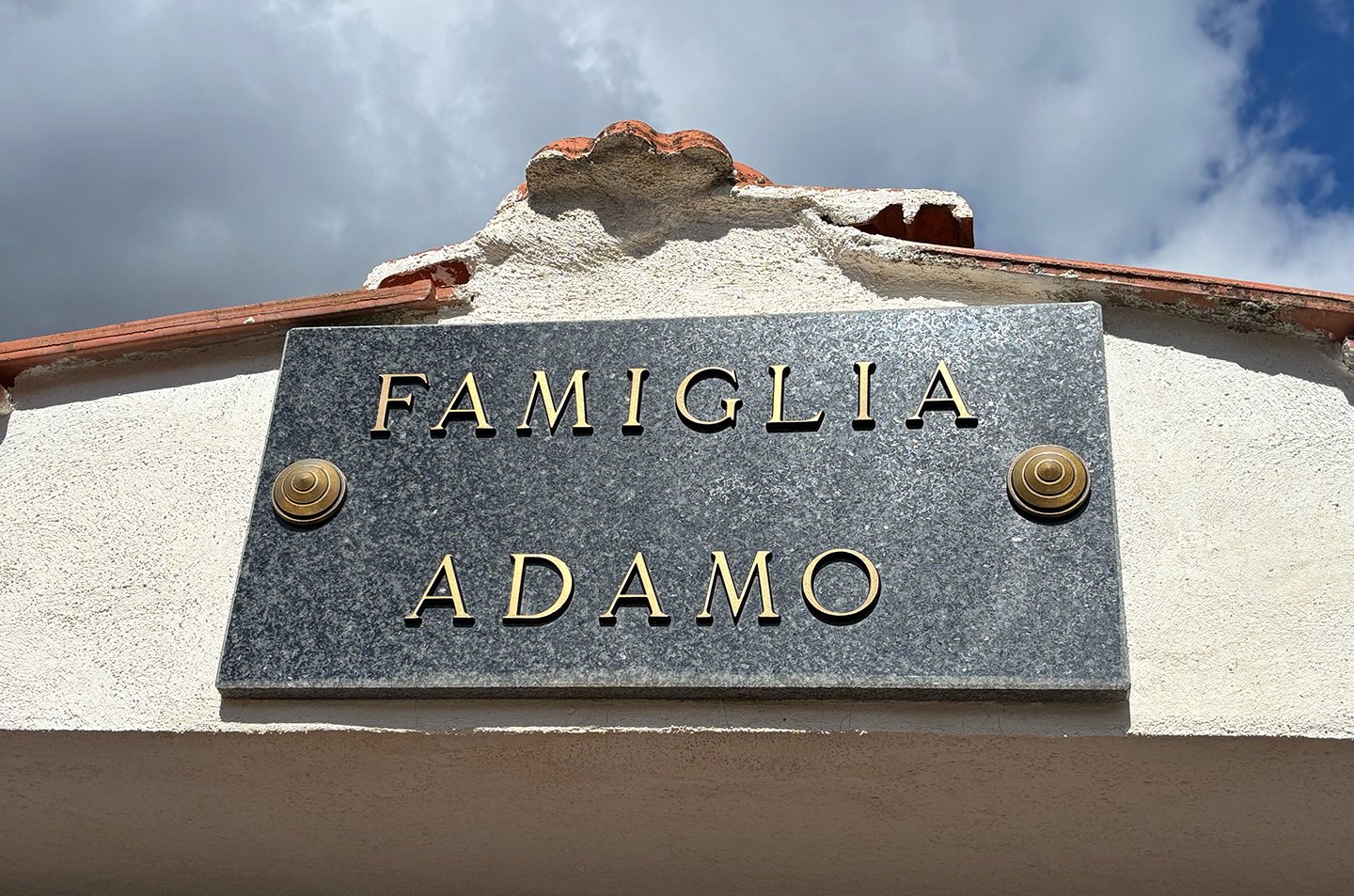
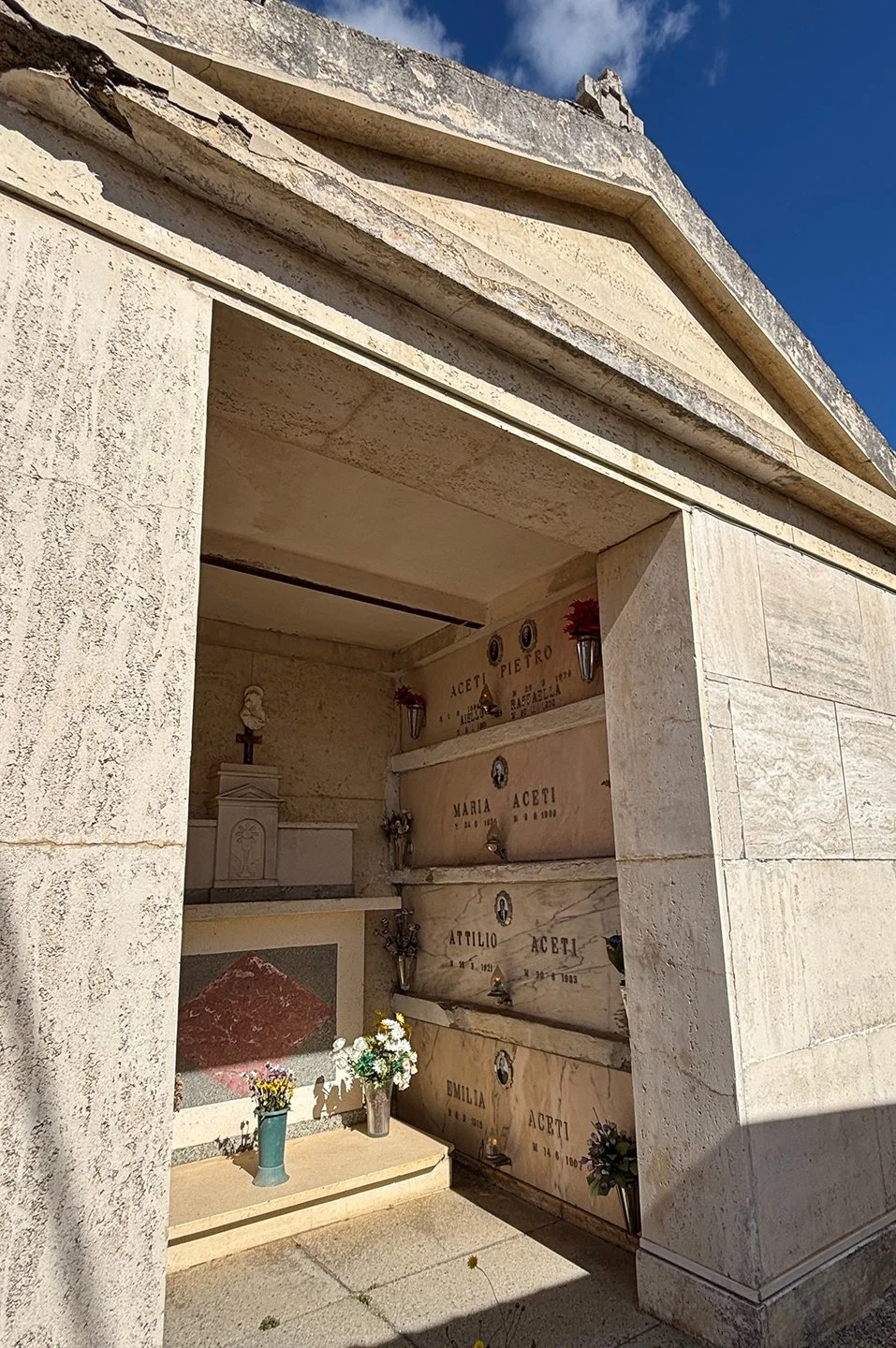
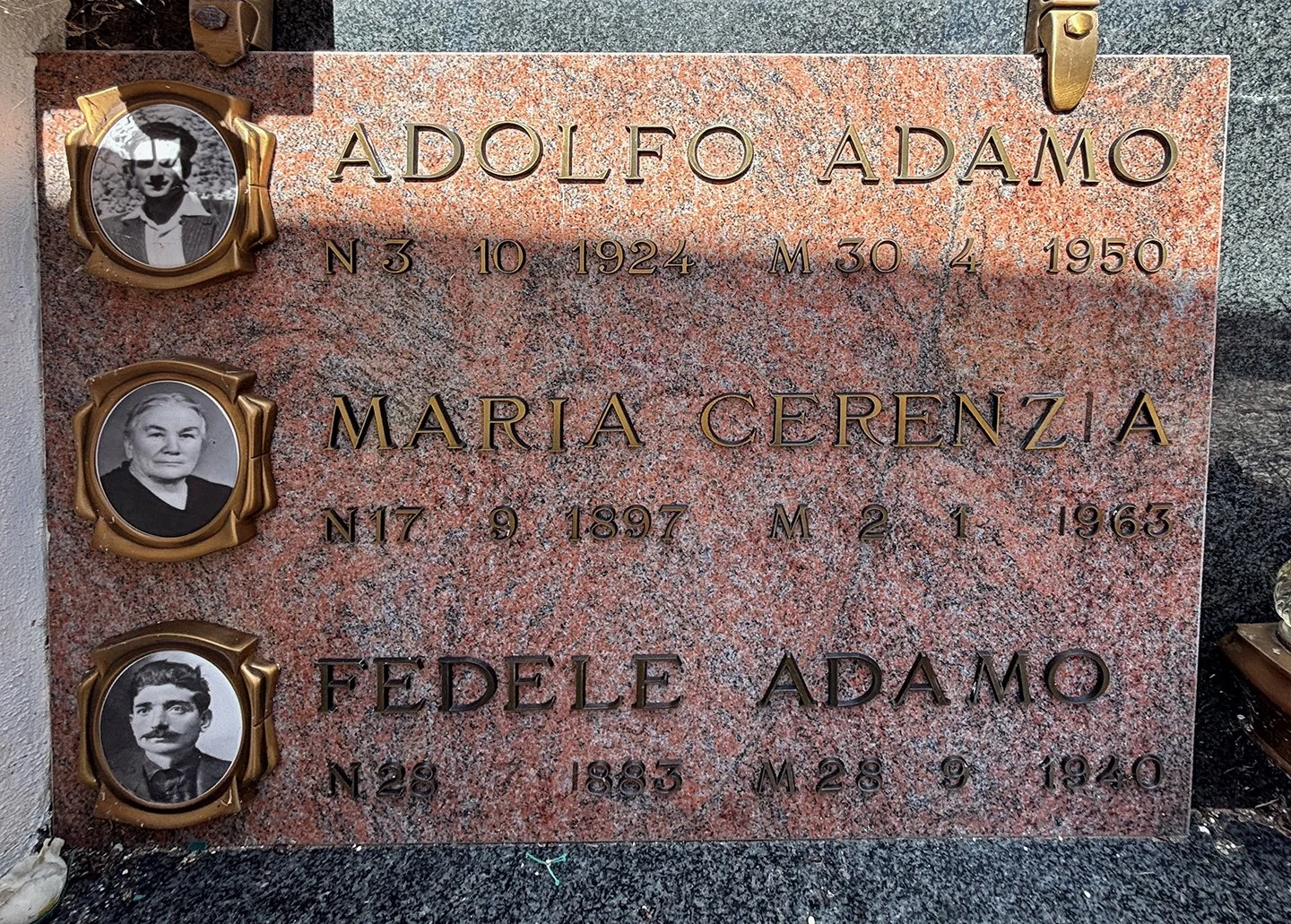
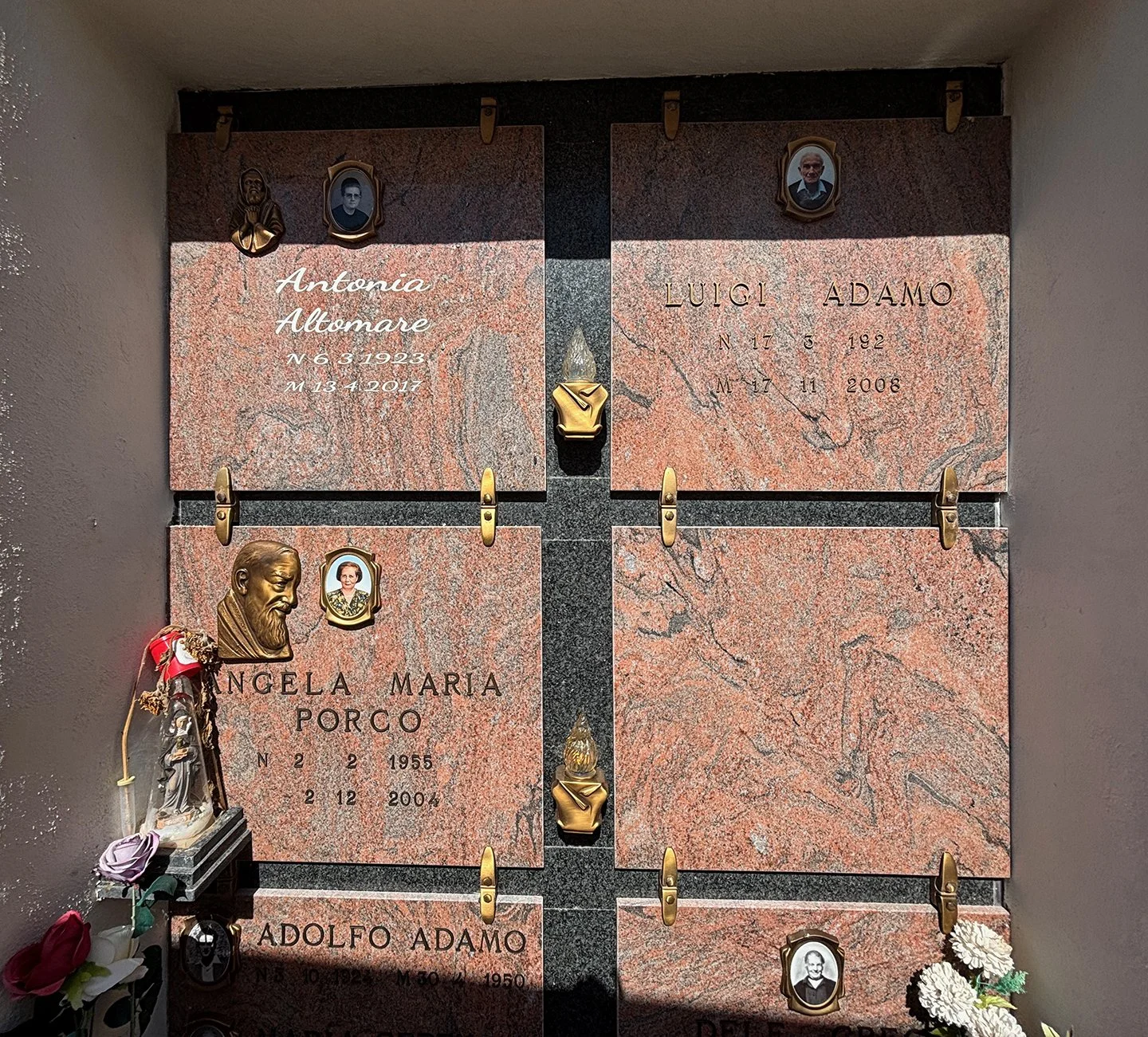
The Adamo side of my family came from this region. The exact village was Figline Vegliaturo, which is quite small, so we figured a day trip for the pilgrimage there would be sufficient. We chose a mid-size college town to stay in. It is a “suburb” of Cosenza, the capital of the province.
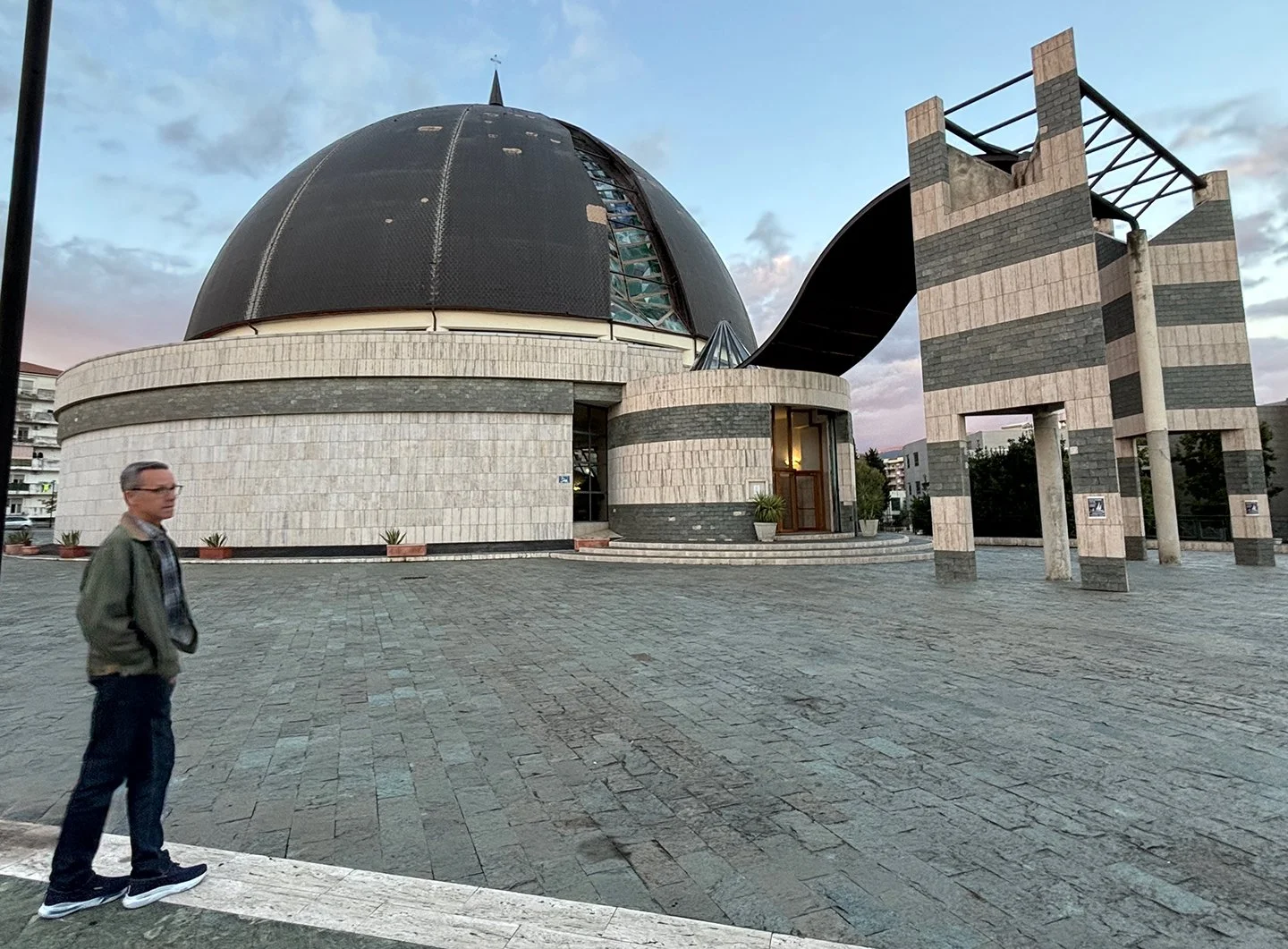
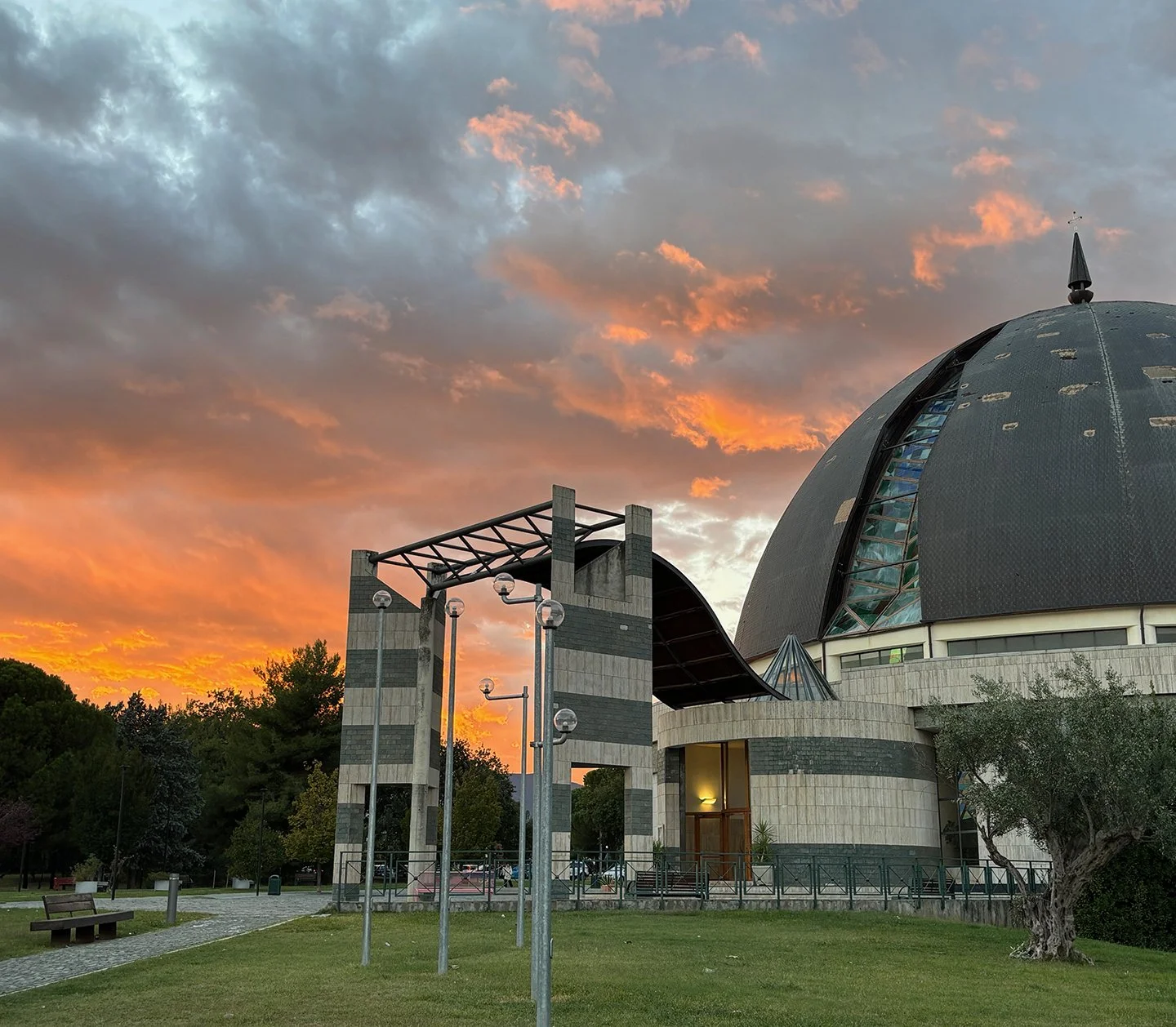
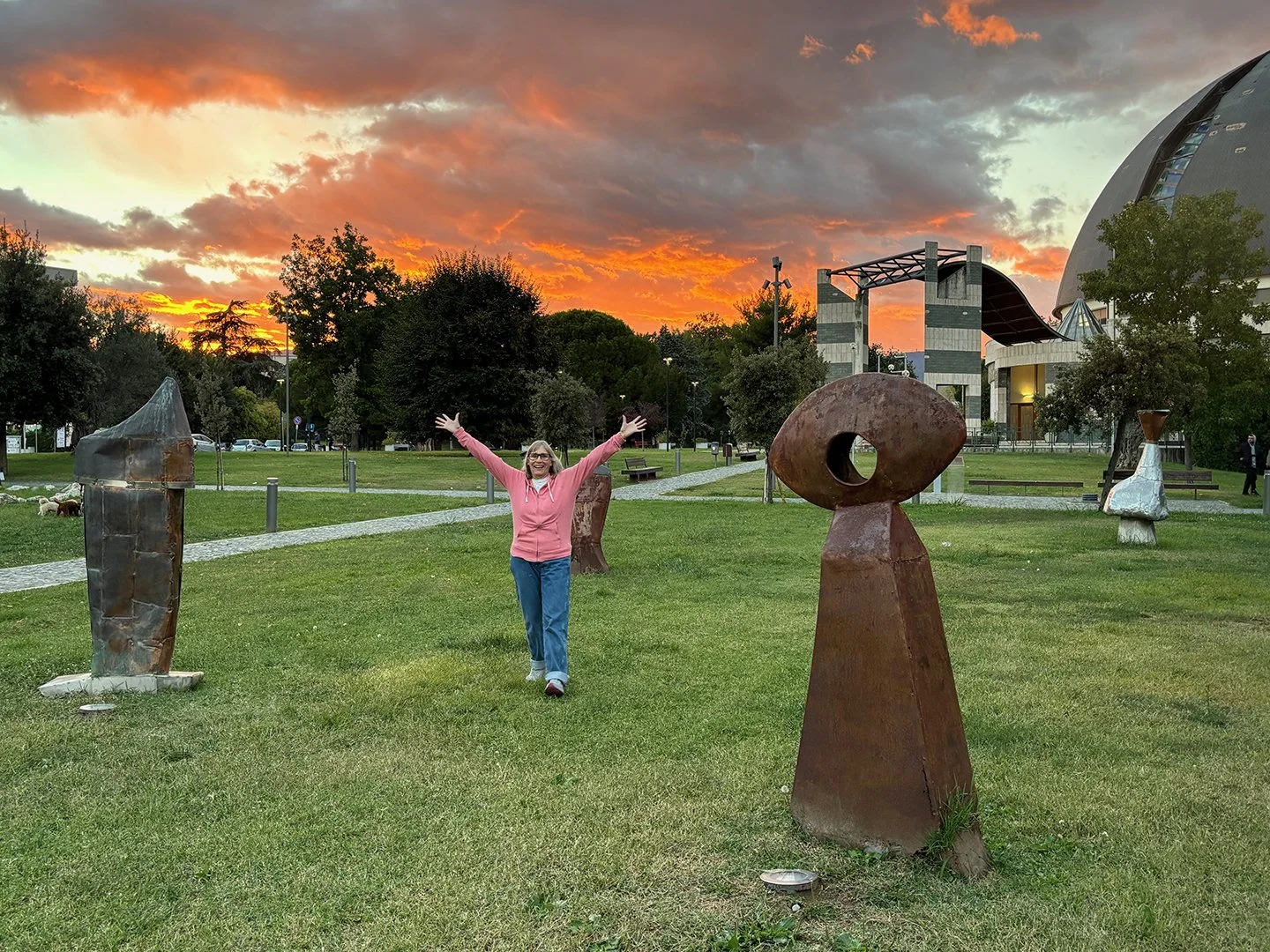
Figline Vegliaturo
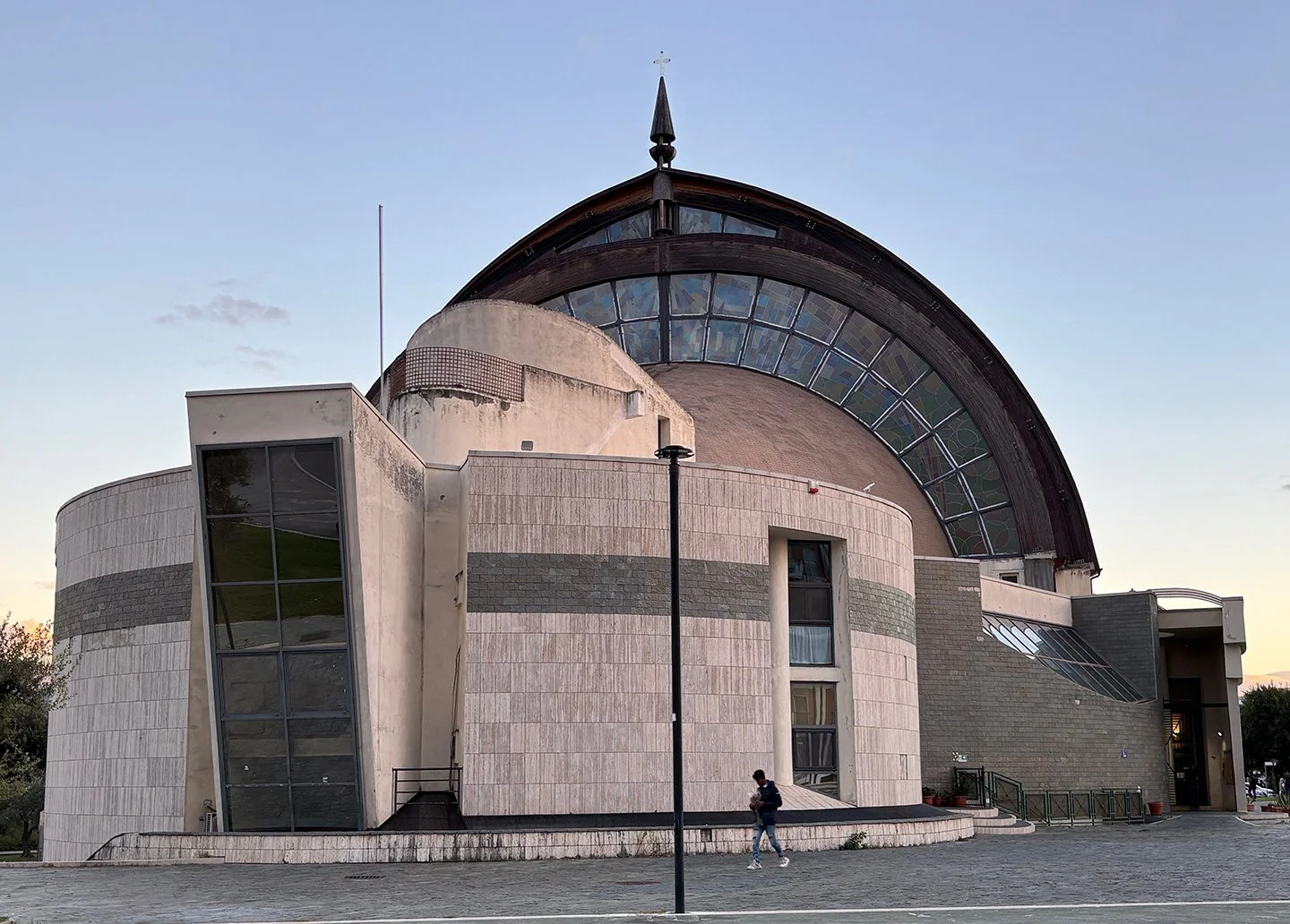
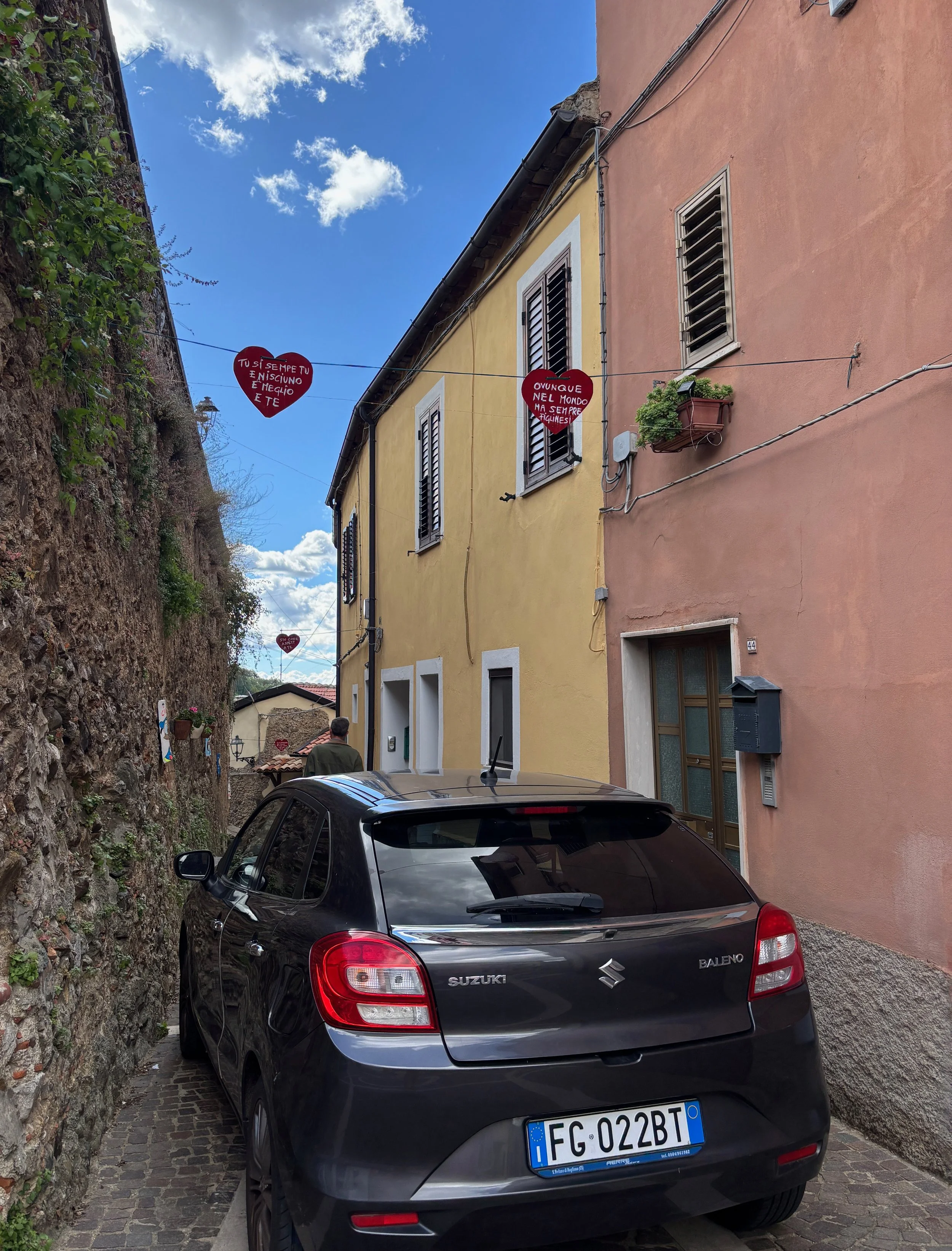
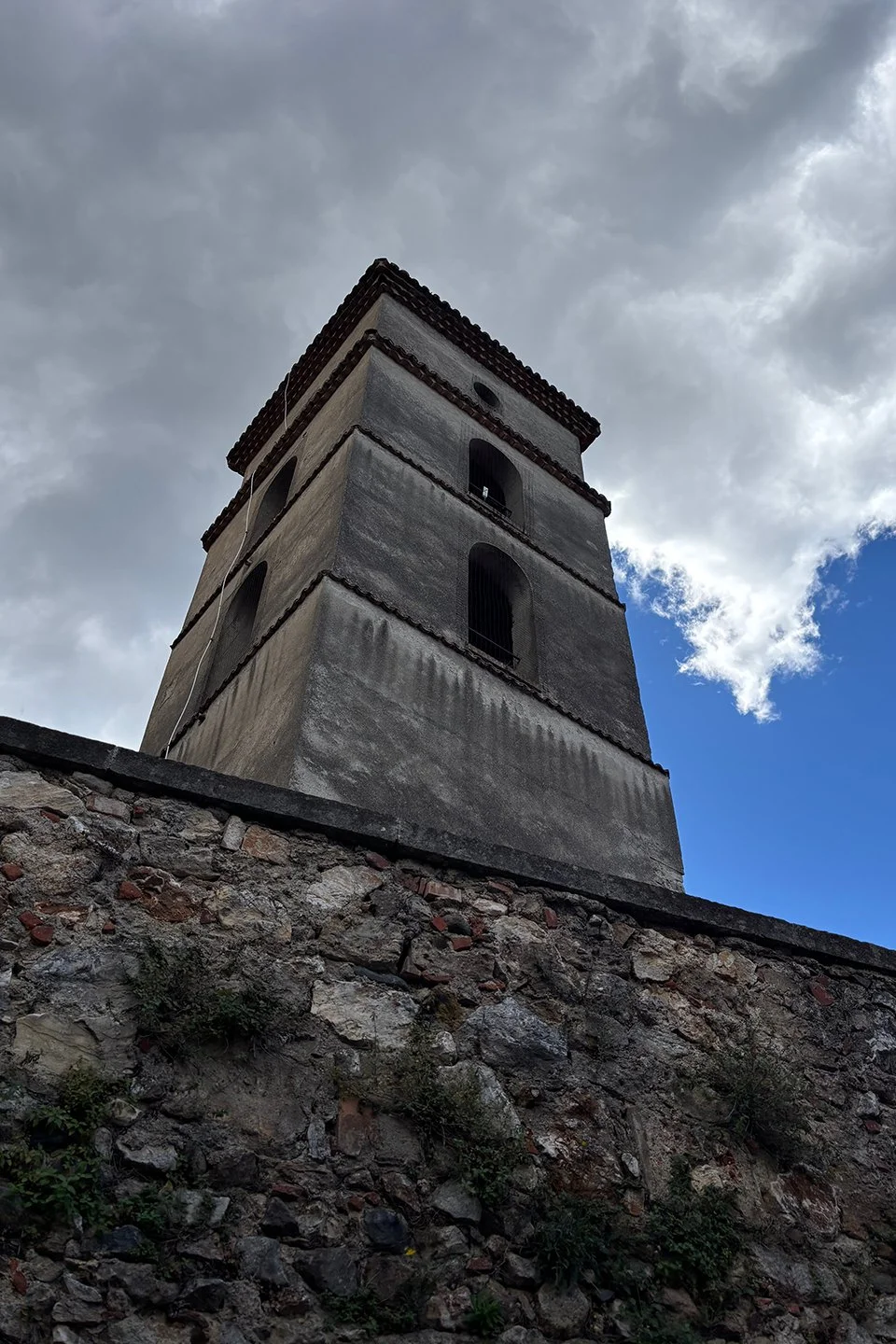
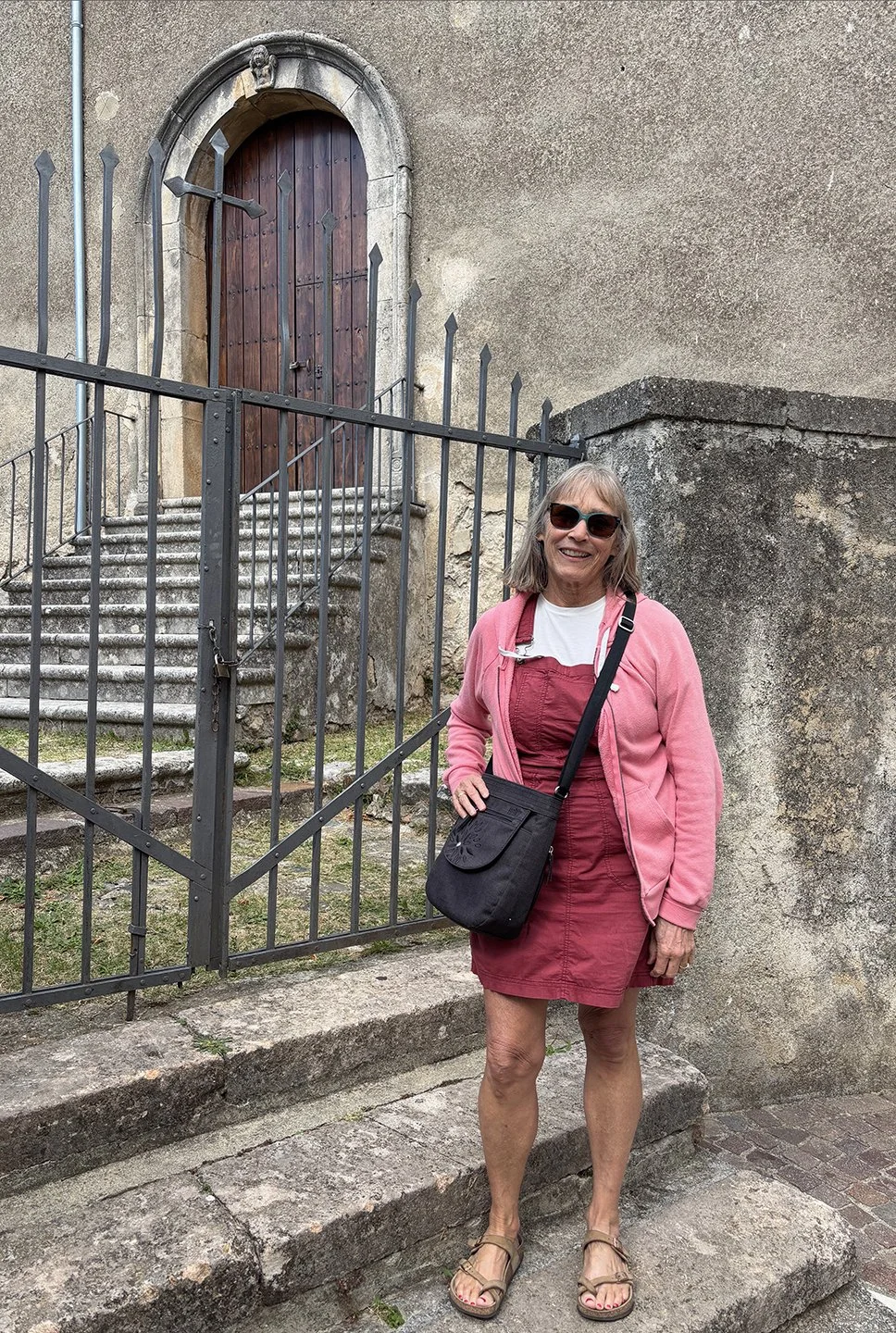
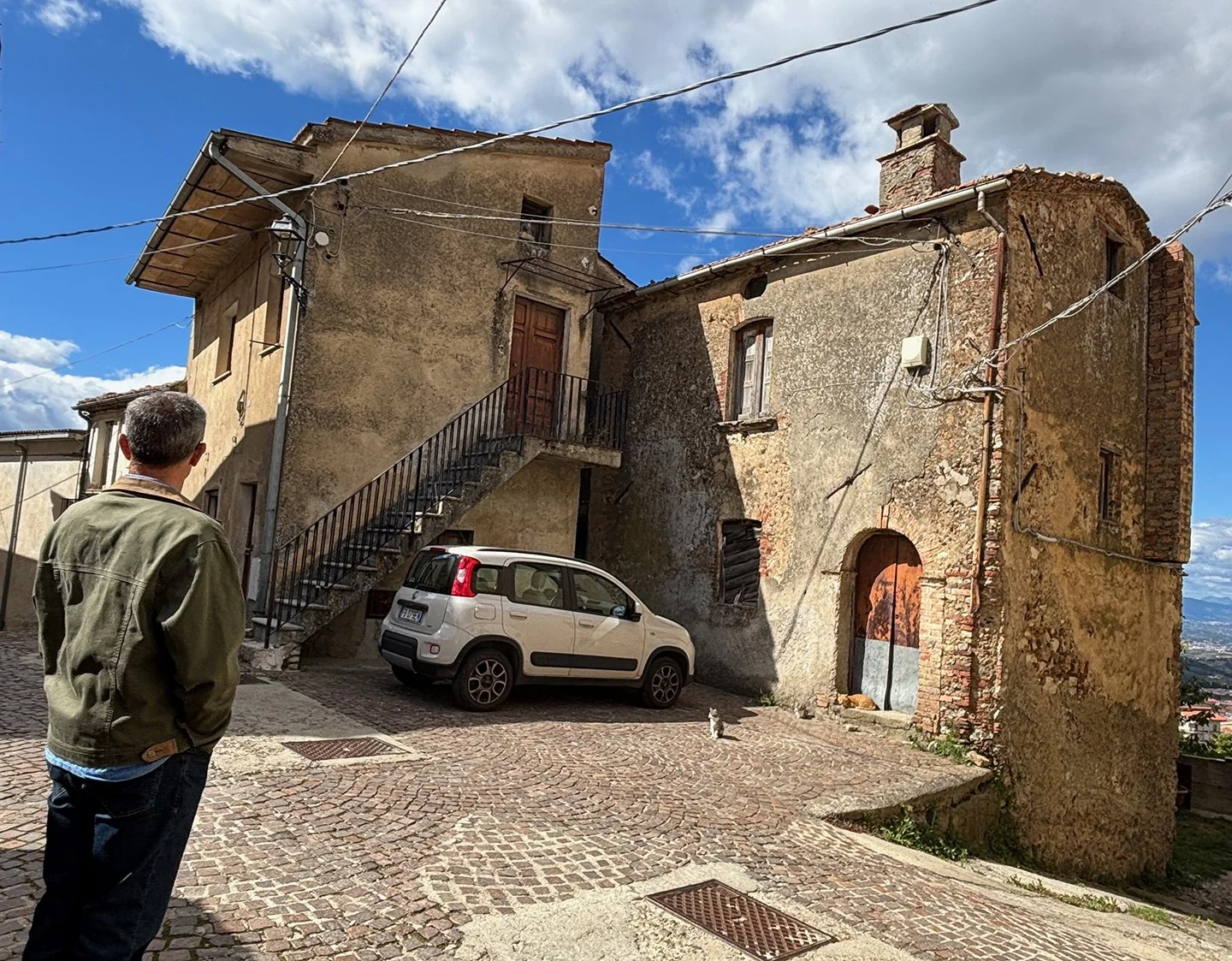
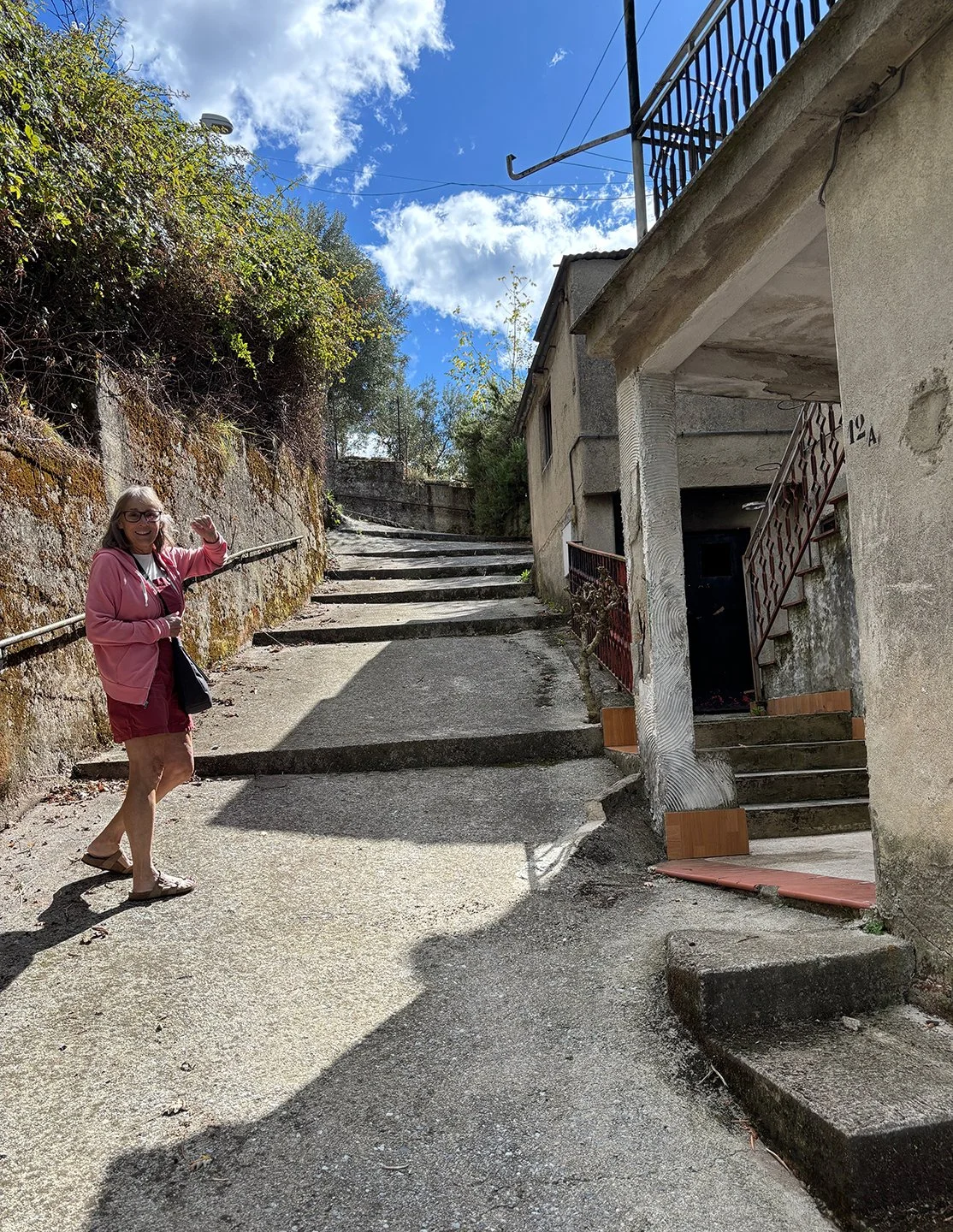
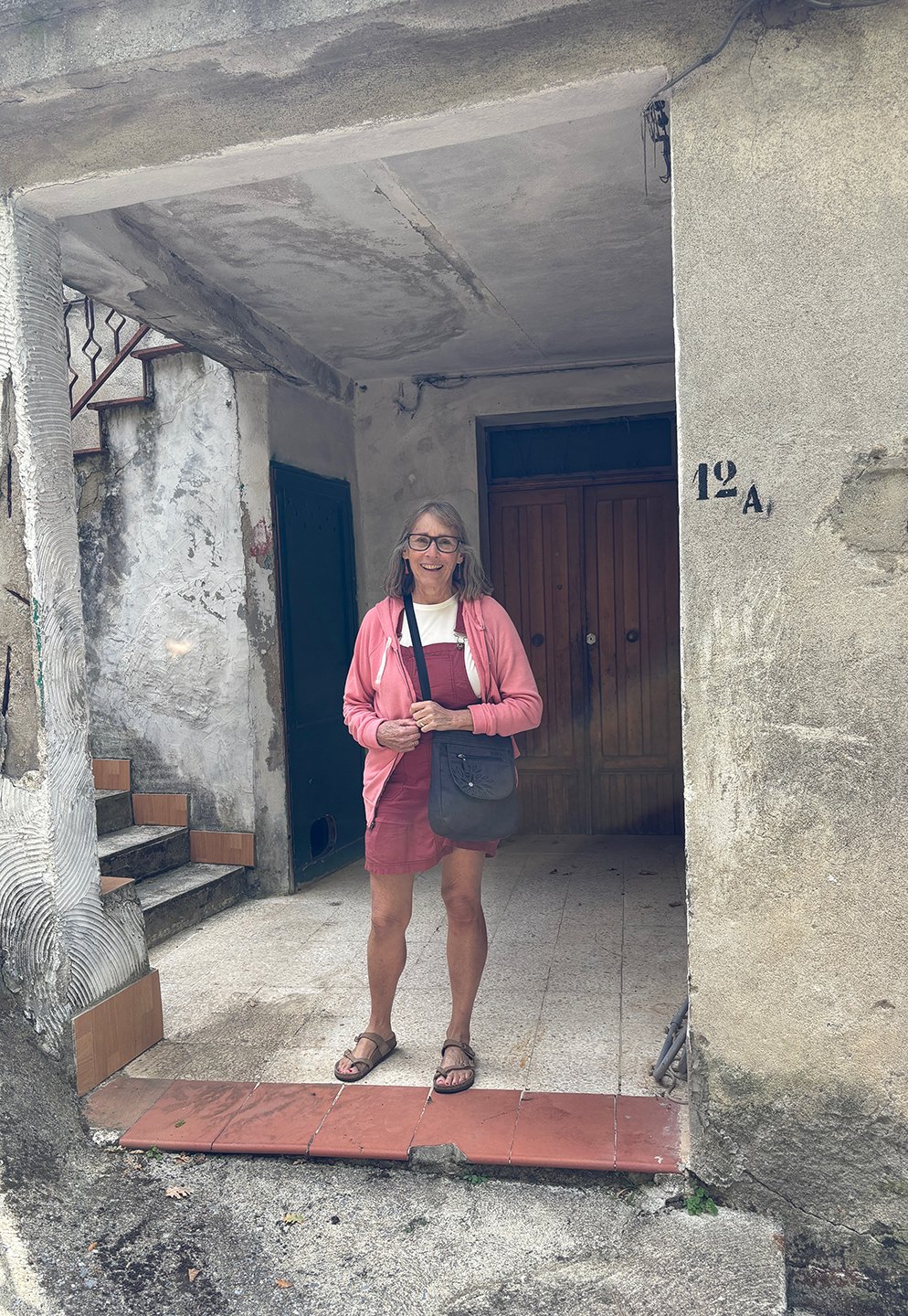
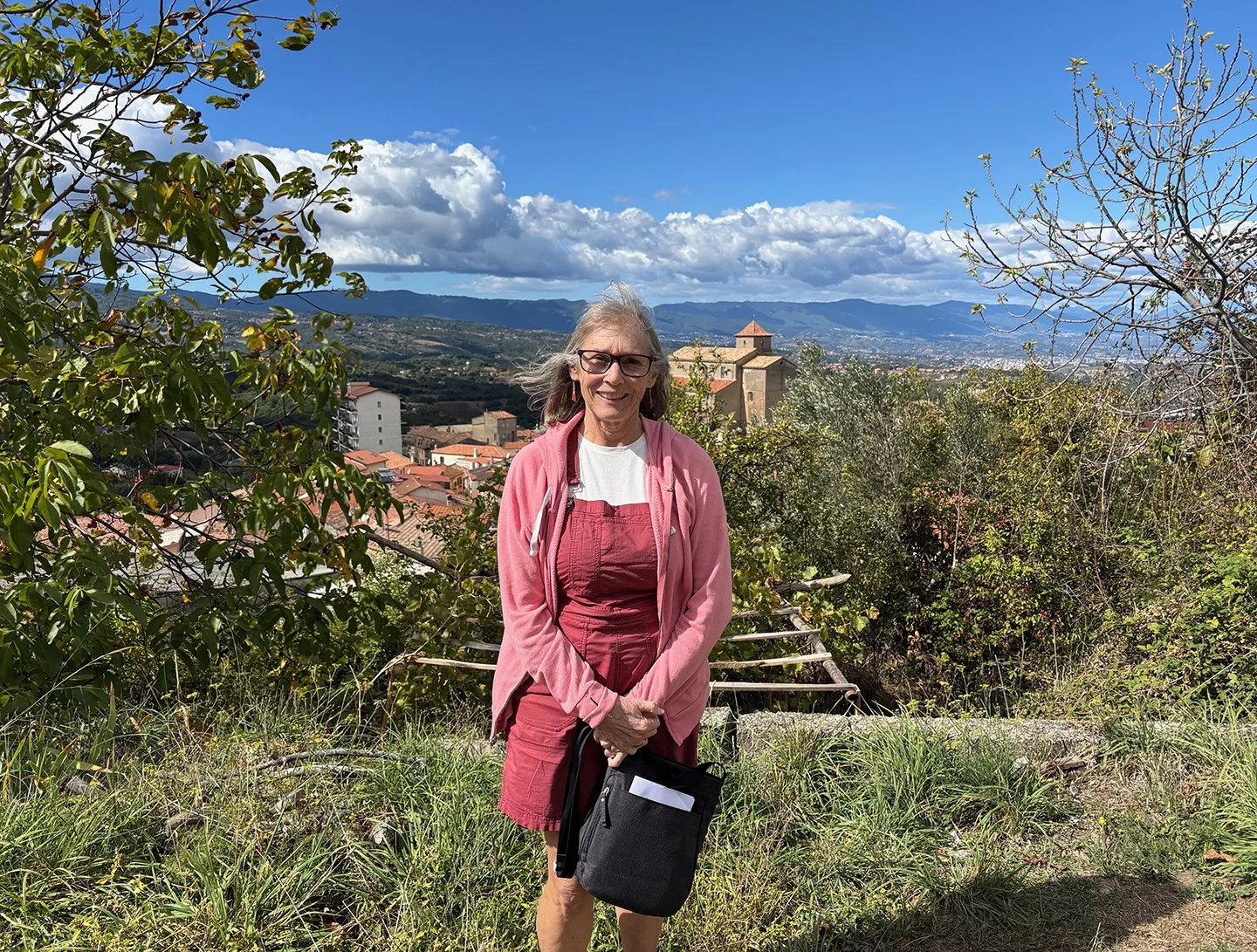
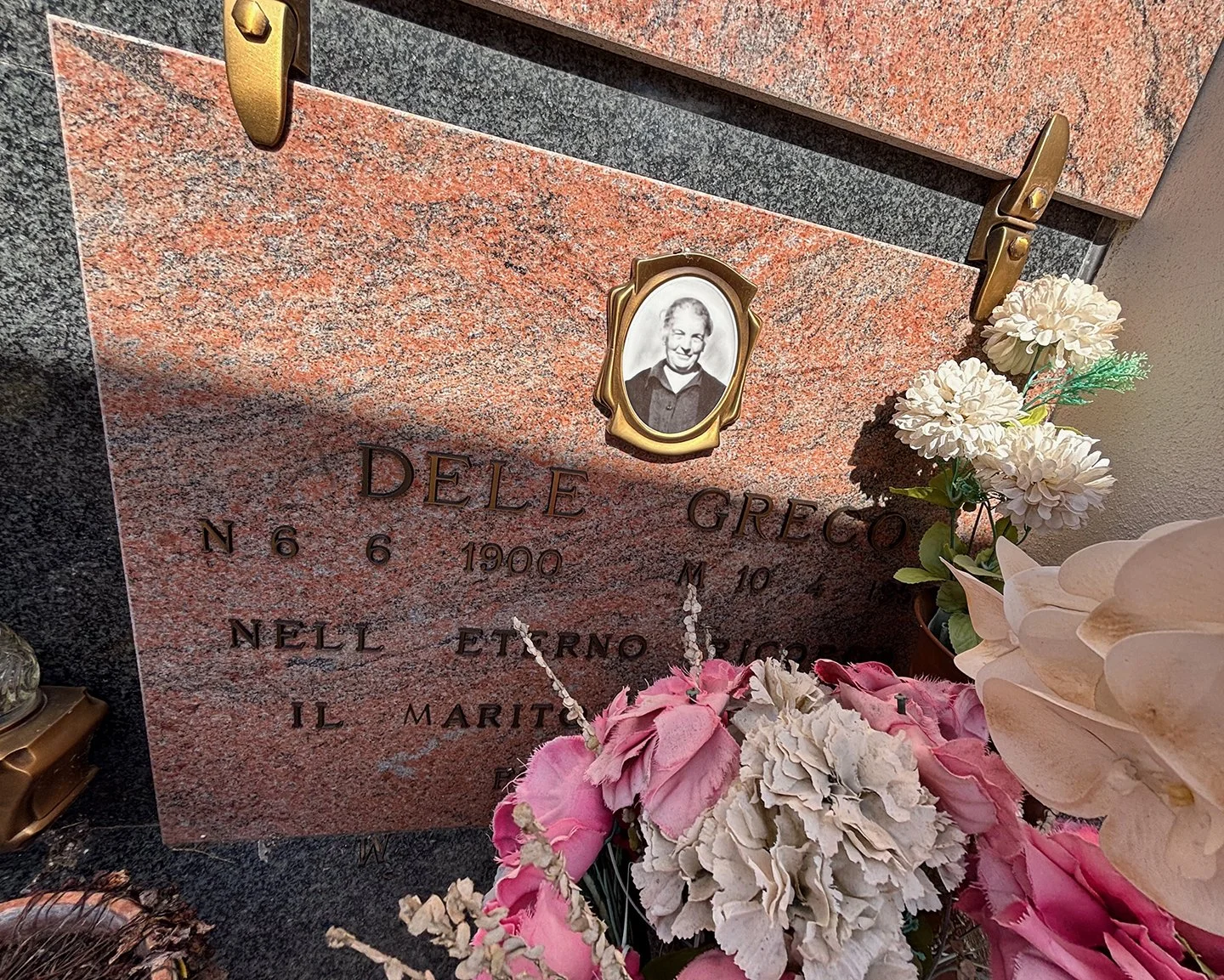
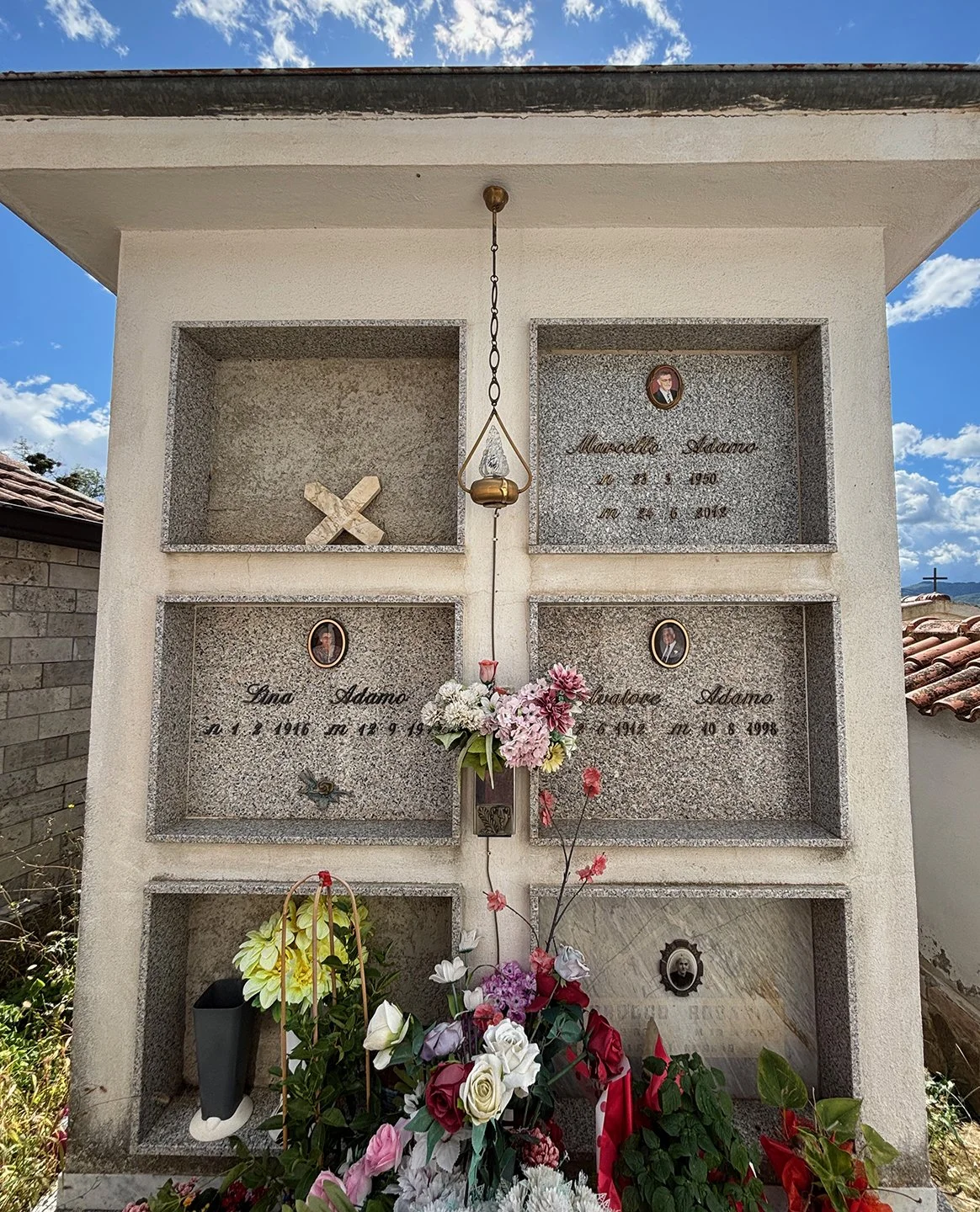
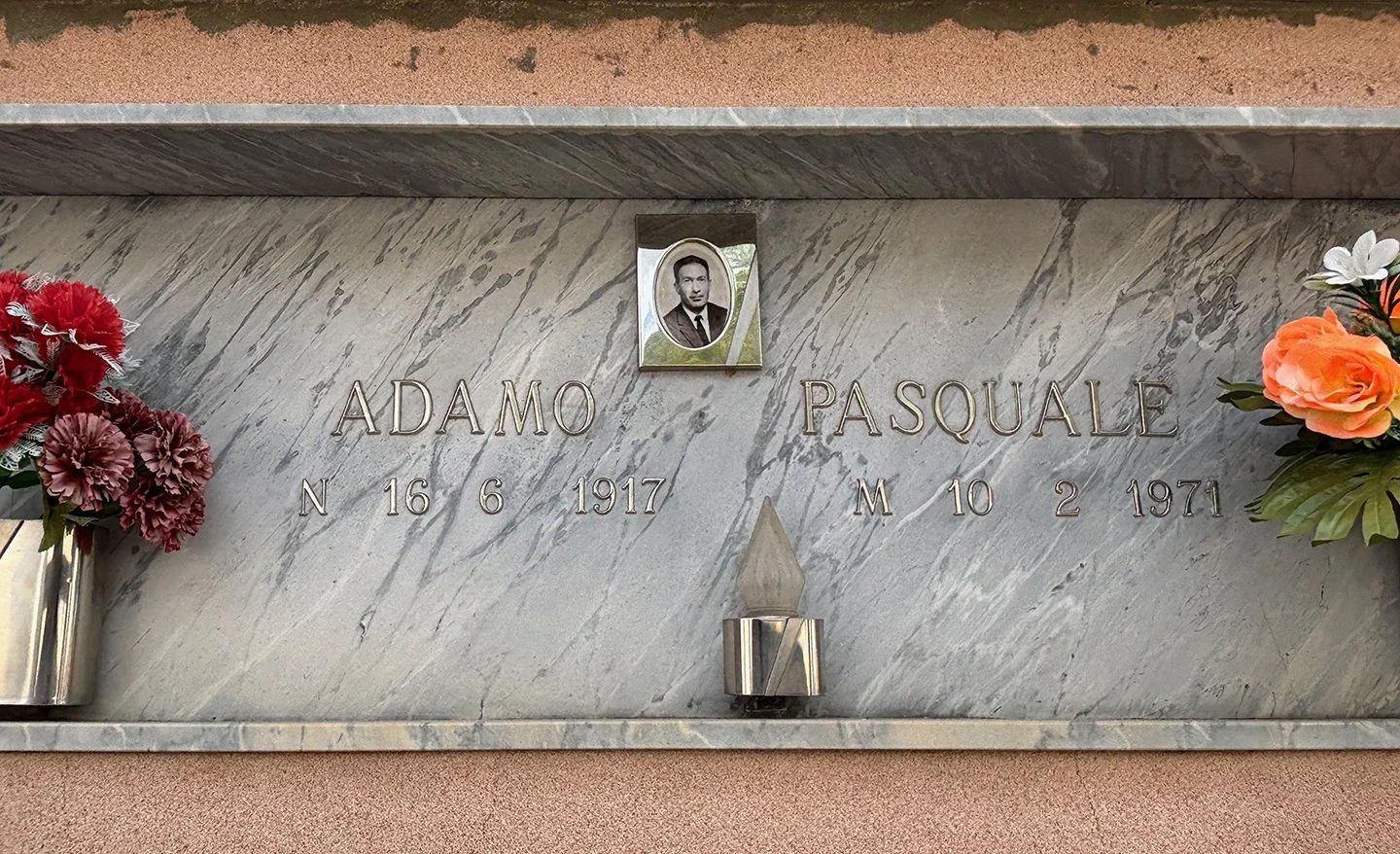
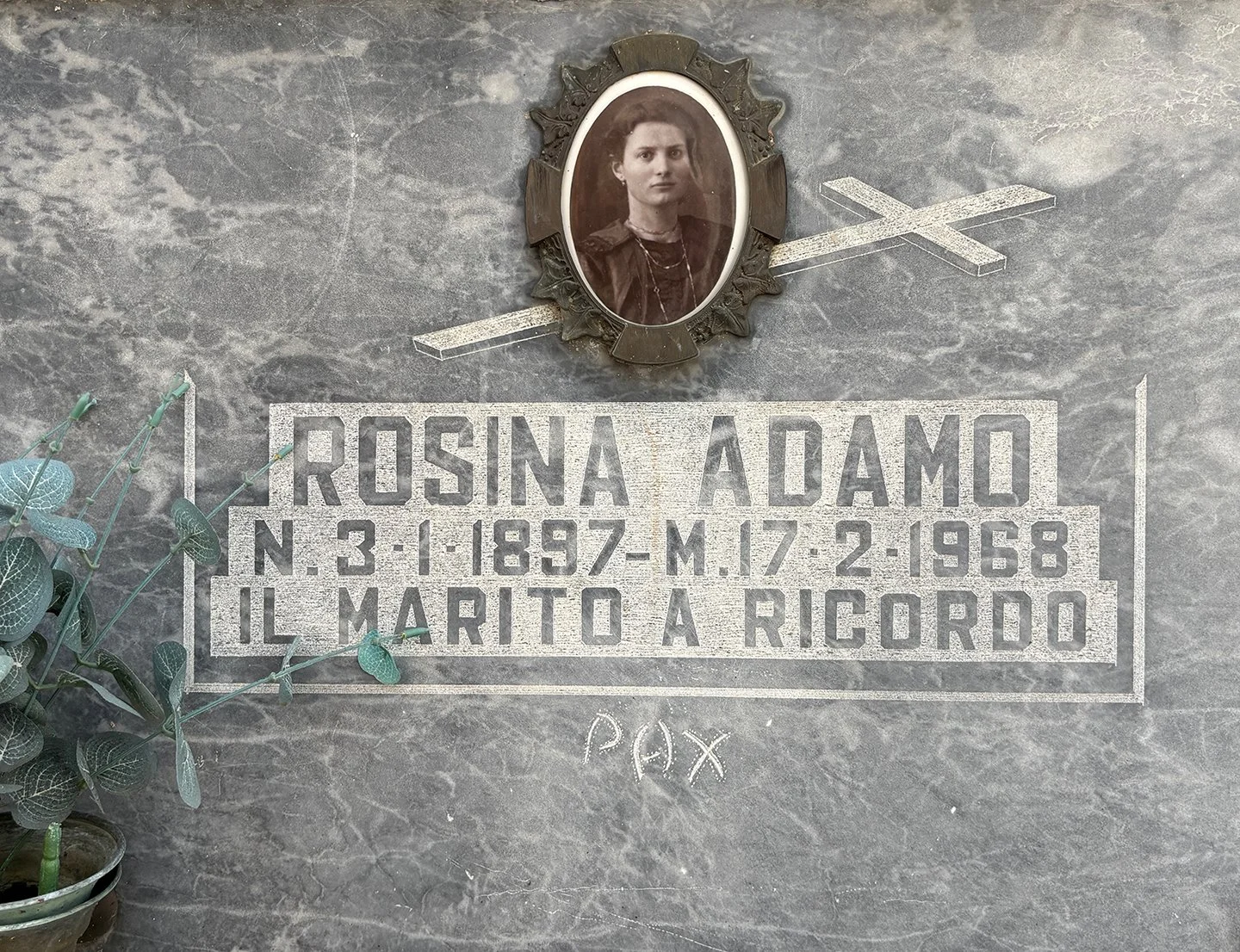
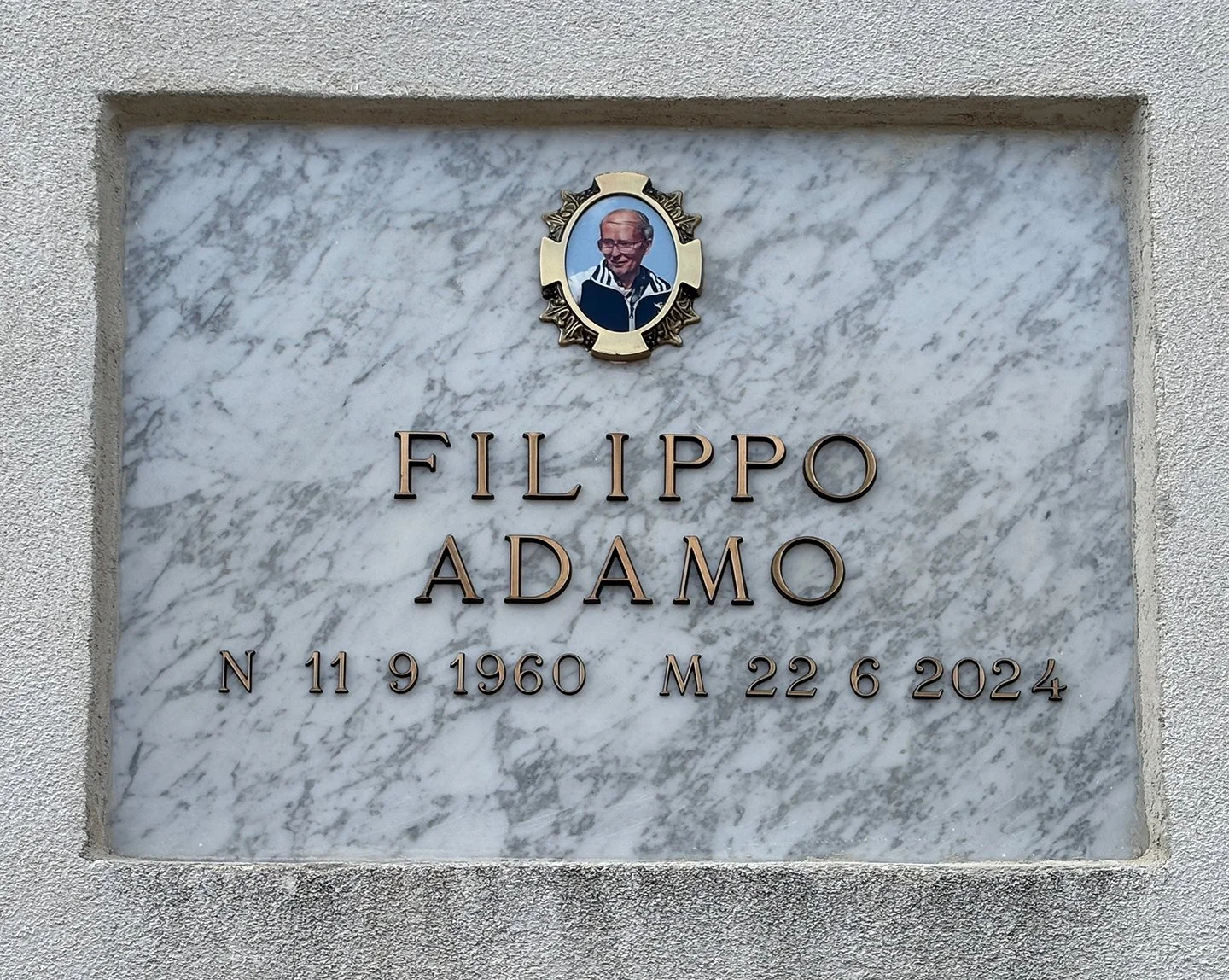
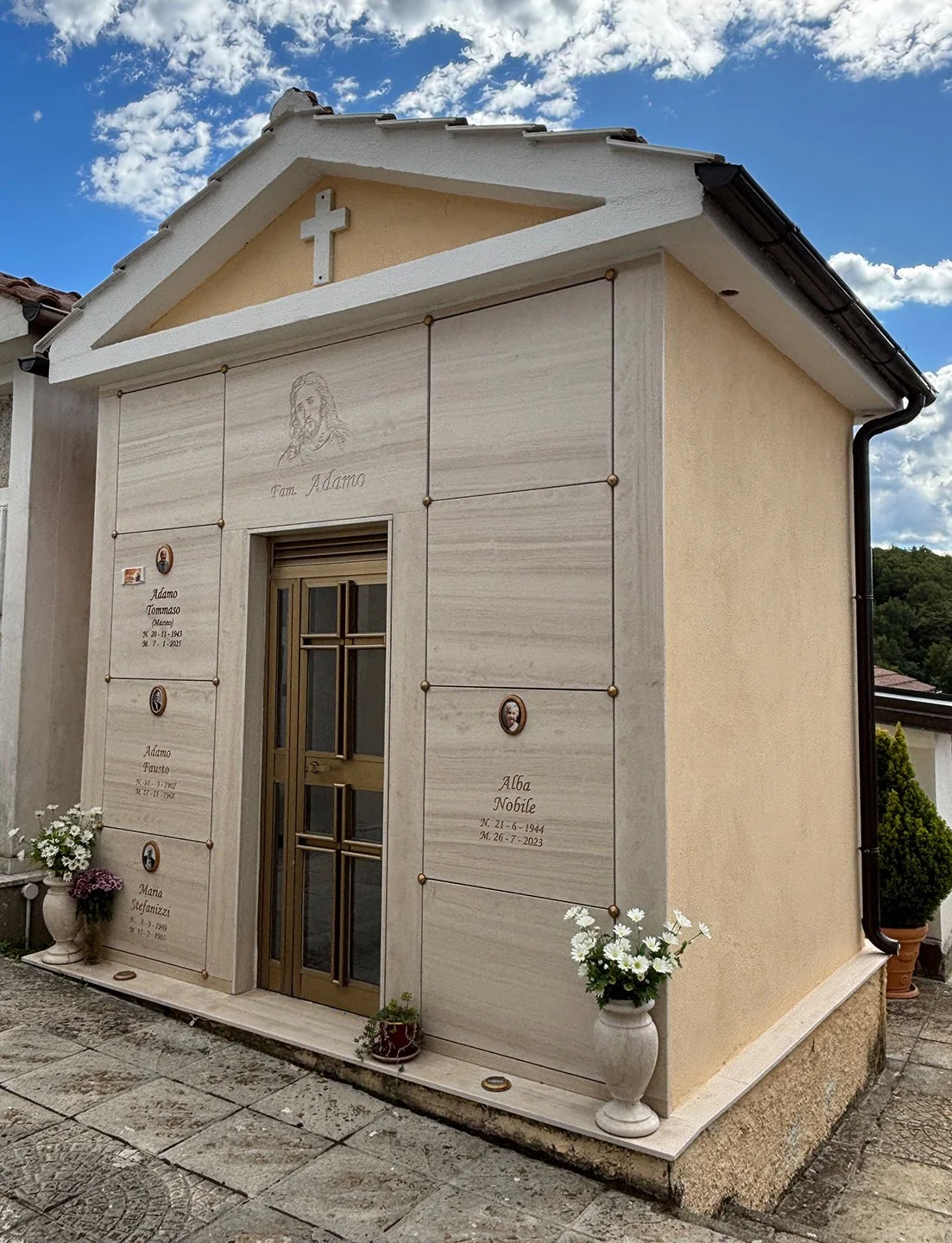
Figline is a 30 minute drive from Quattromiglia. We got there midday, which is the quiet time in small Italian villages. Shops are closed and people are inside having lunch. We knew that, and we were only here for a walkabout. From the research I had done, I had an address of where my great grandmother Luisa Greco was born. Some other addresses turned out to be streets that have different names now, so no luck on where great grandfather Francesco Adamo was born. We did see the church they were baptized in.
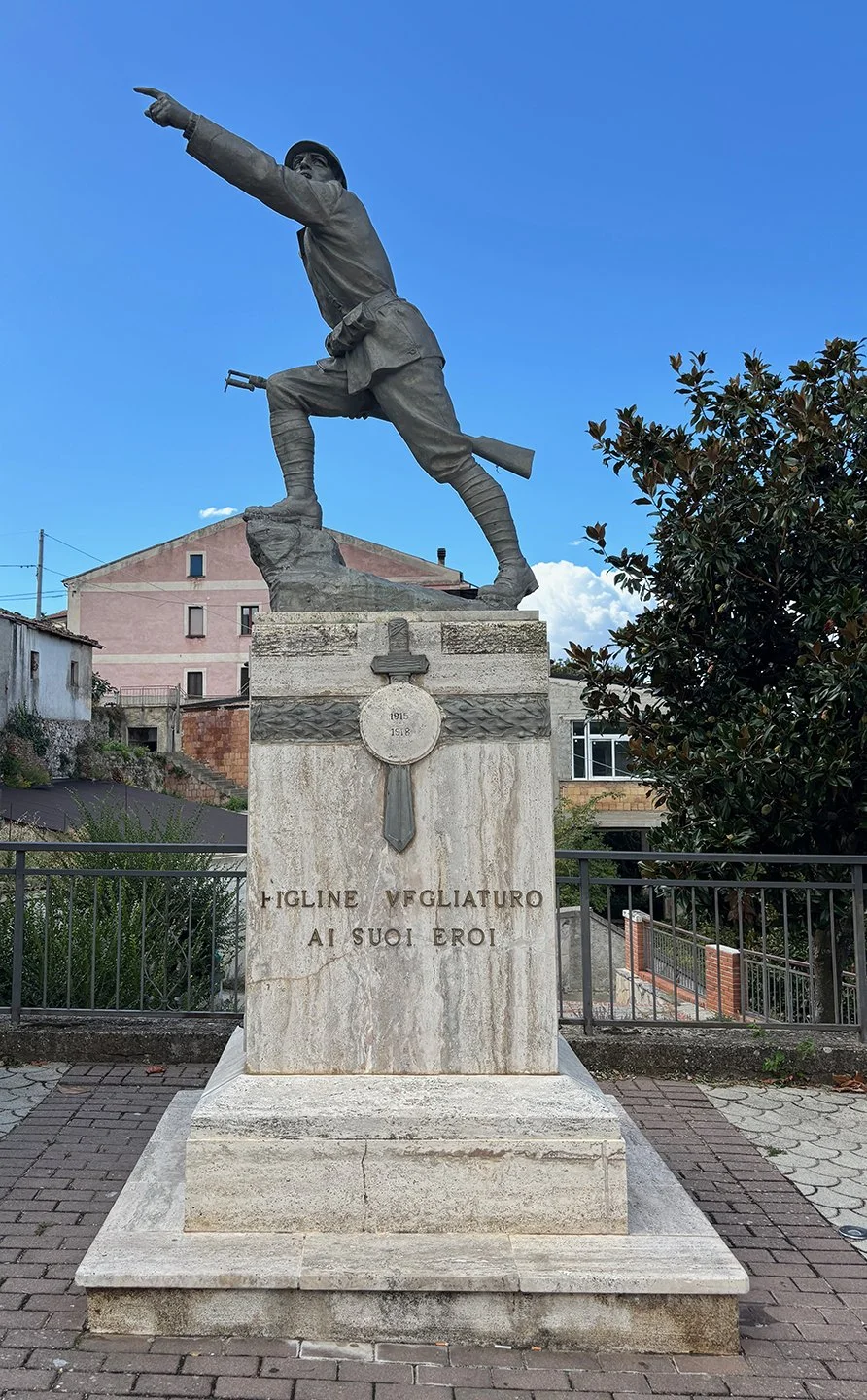
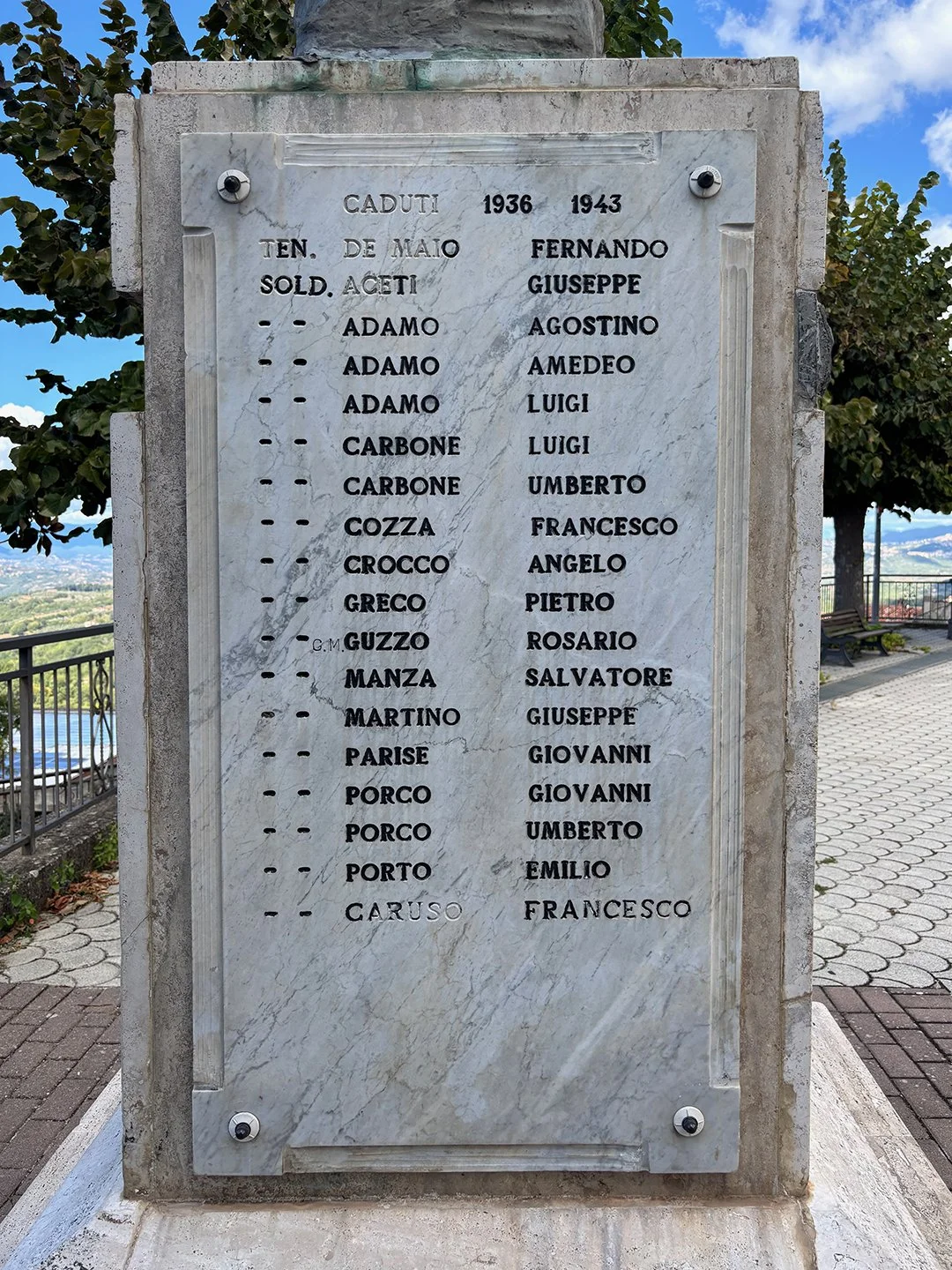
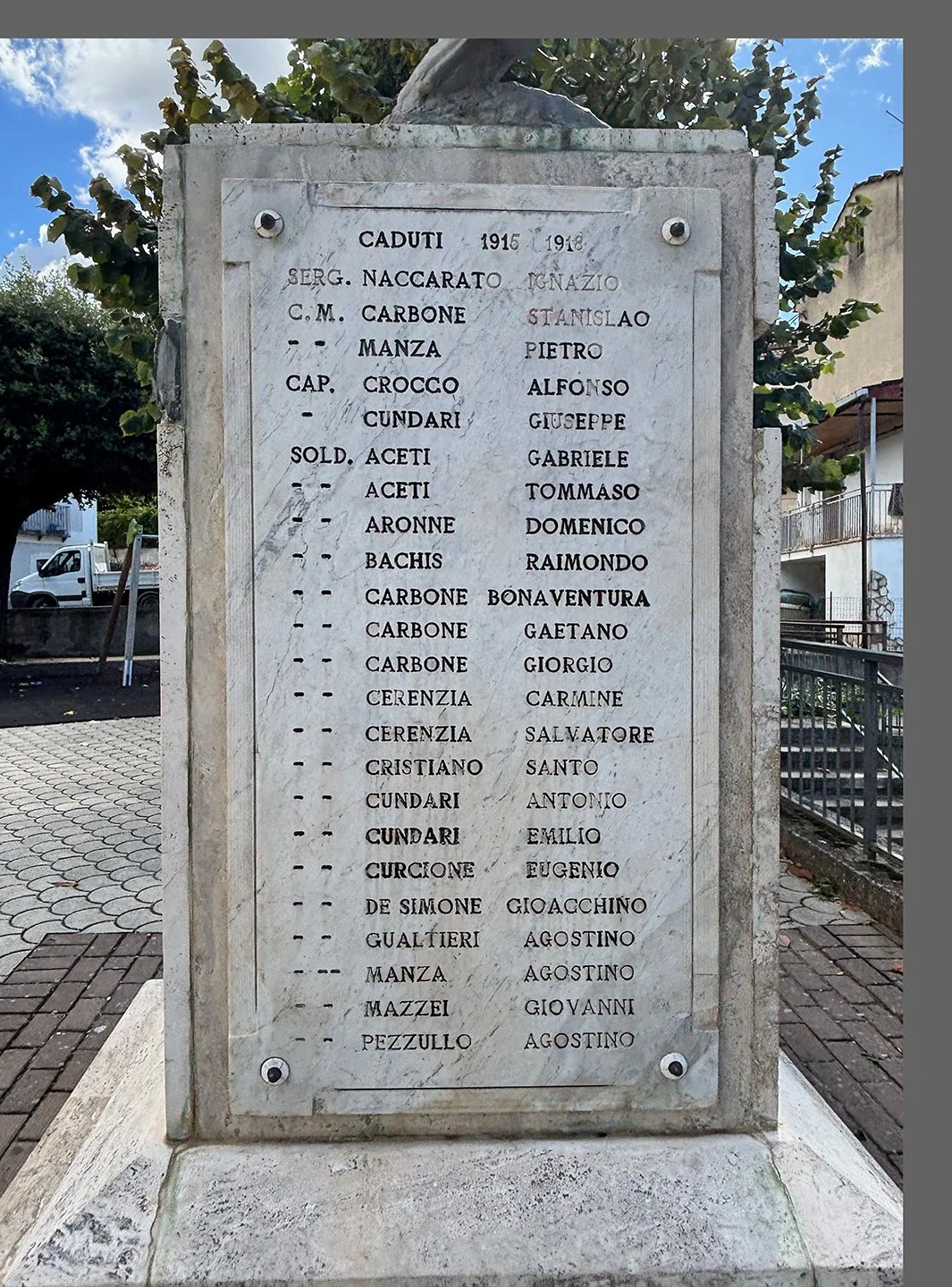
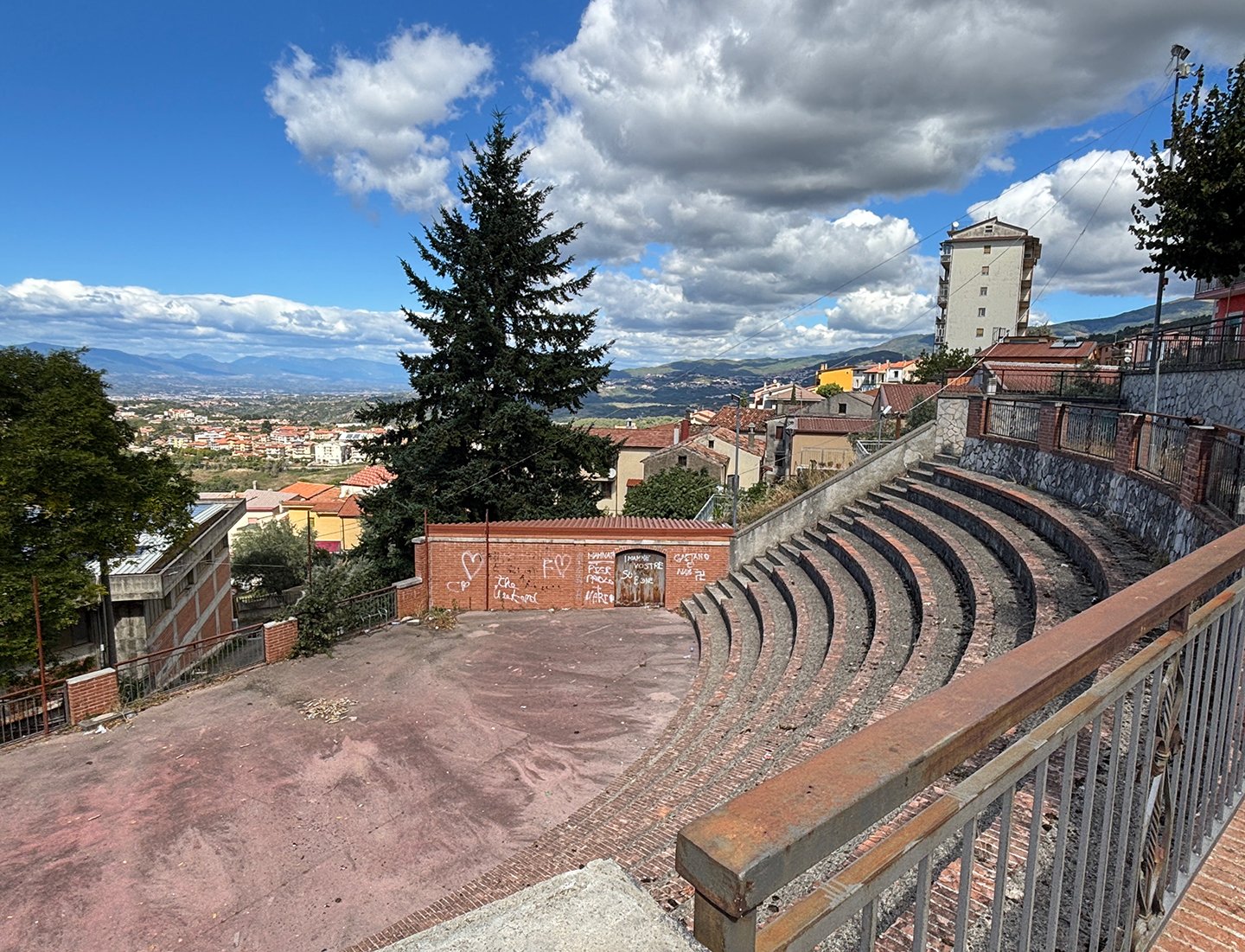

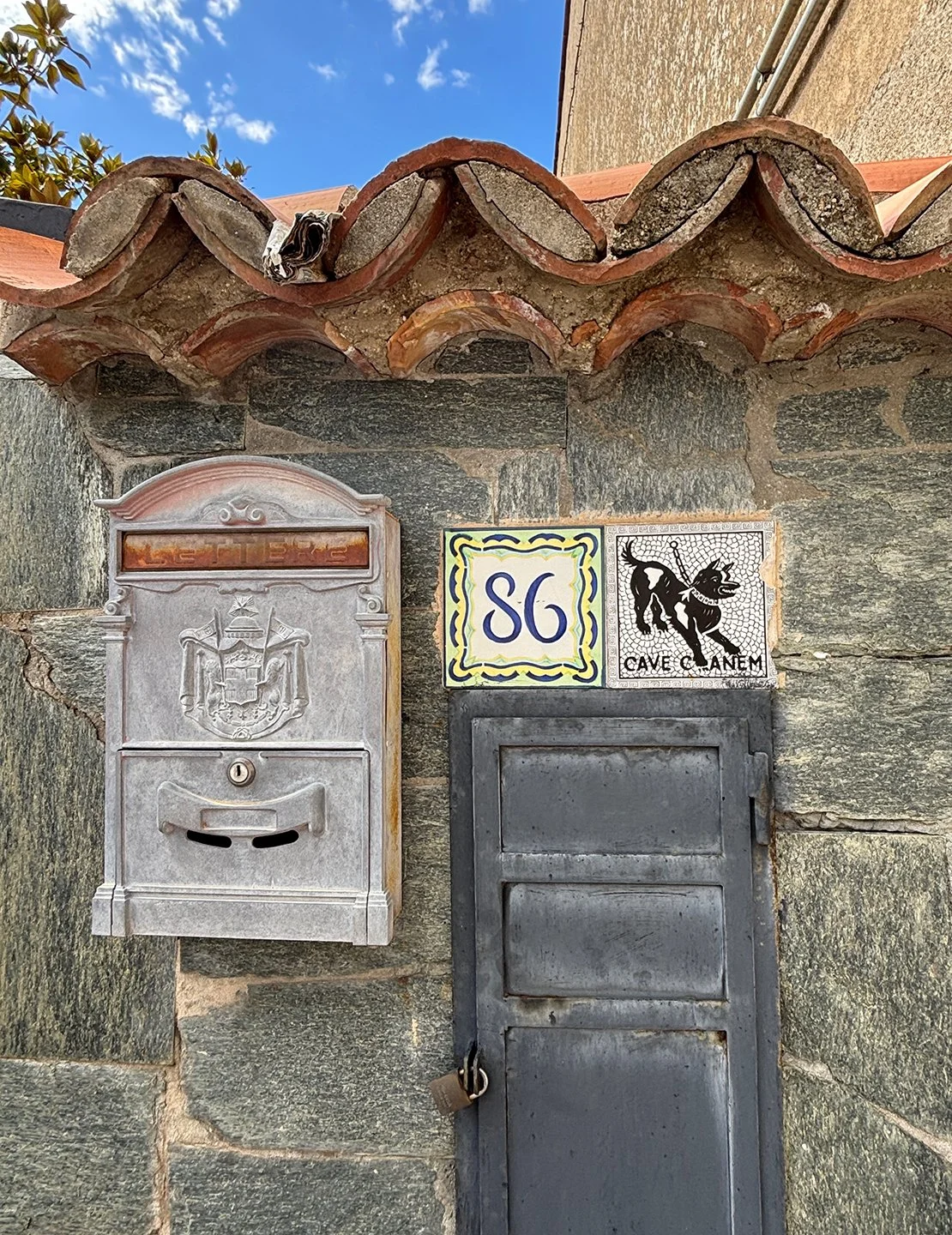
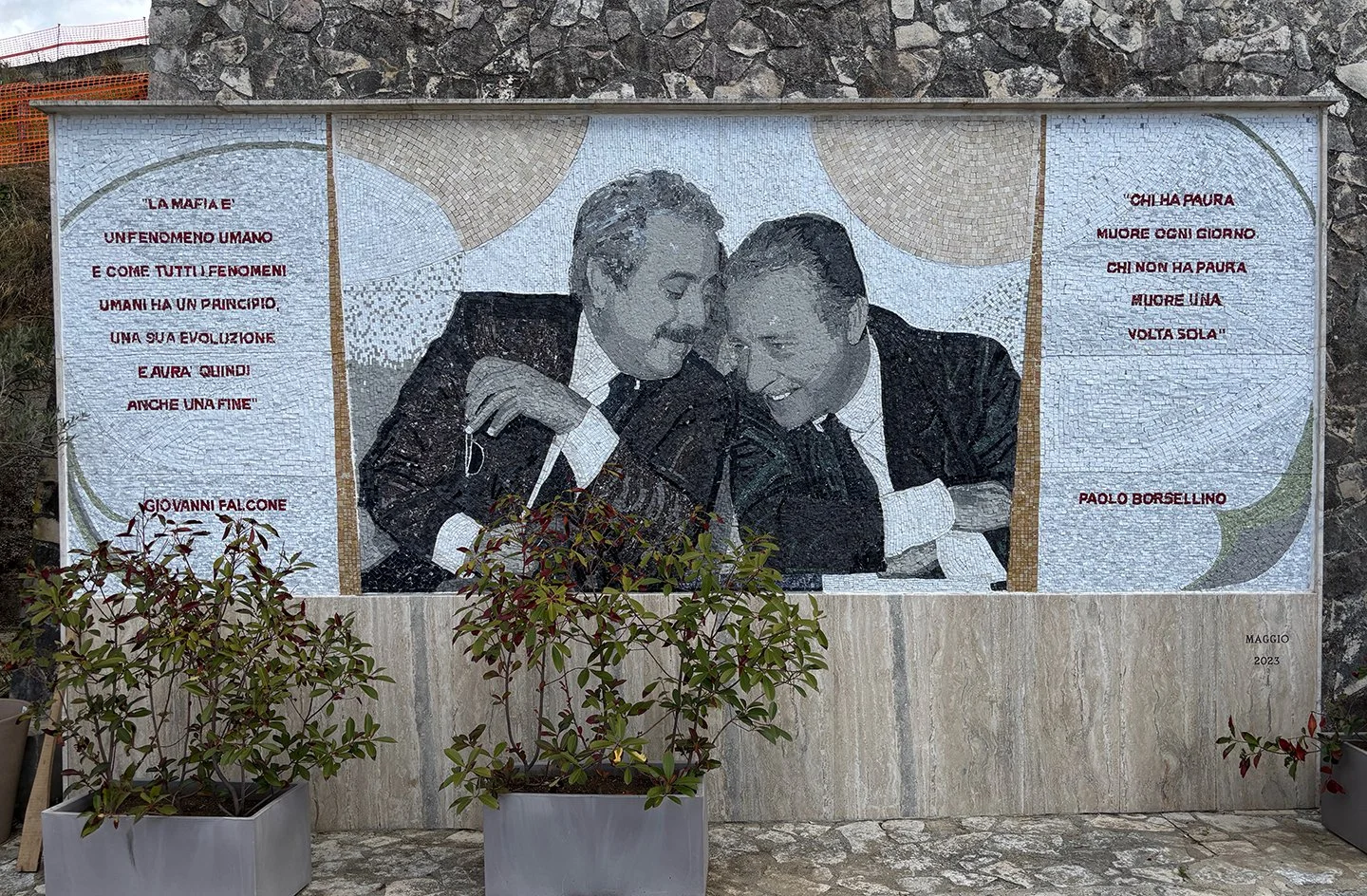
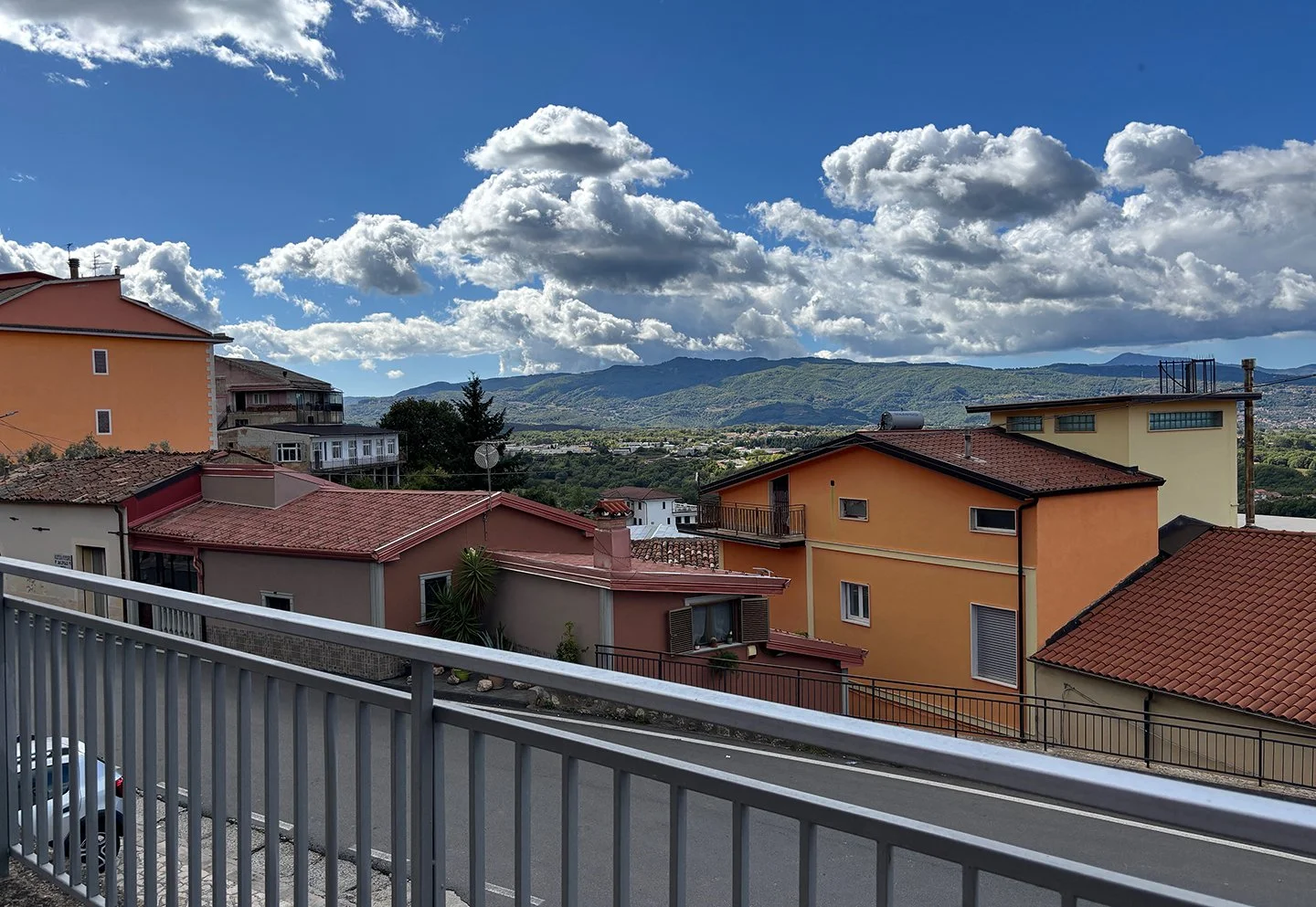
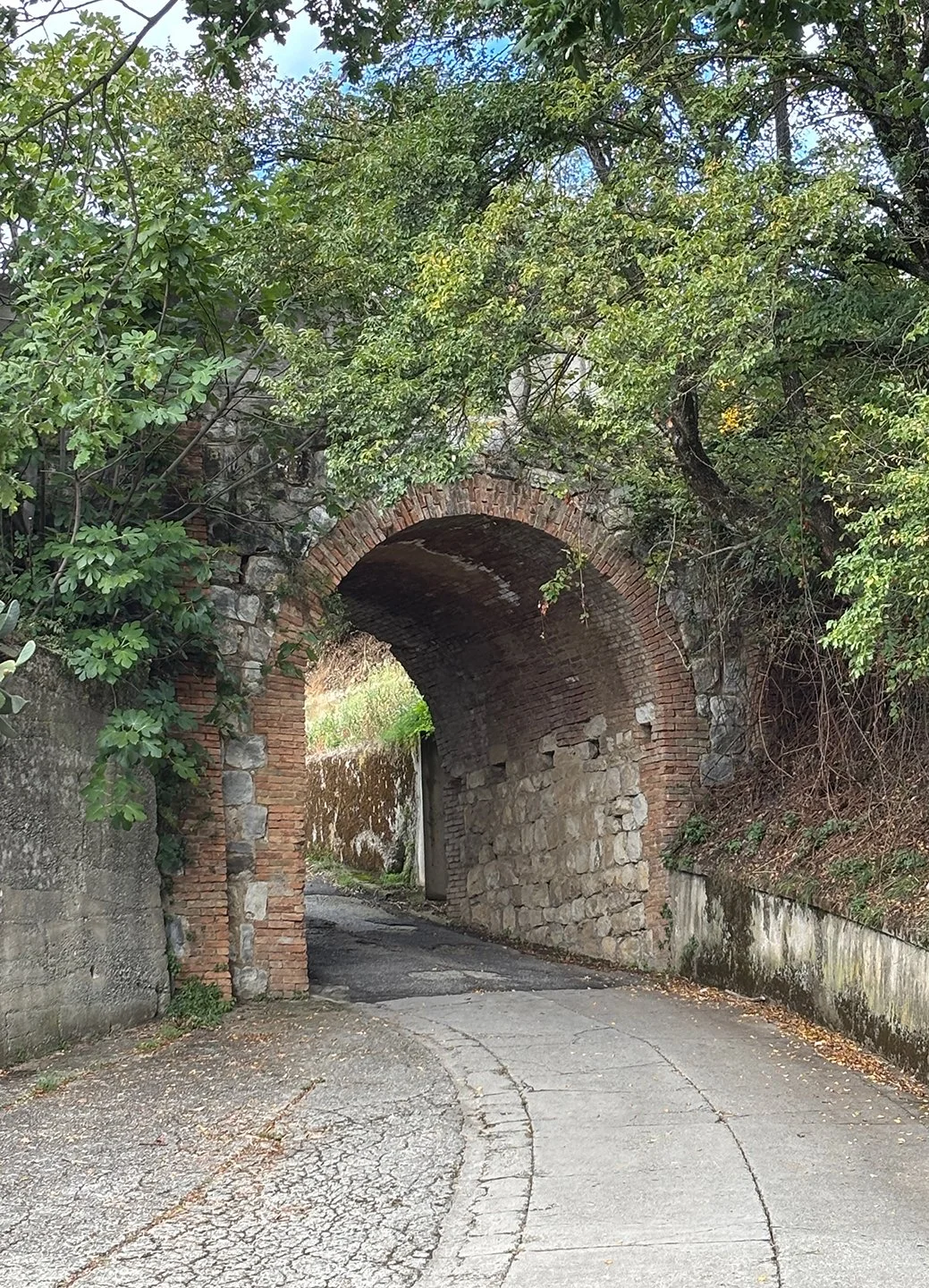
Cosenza
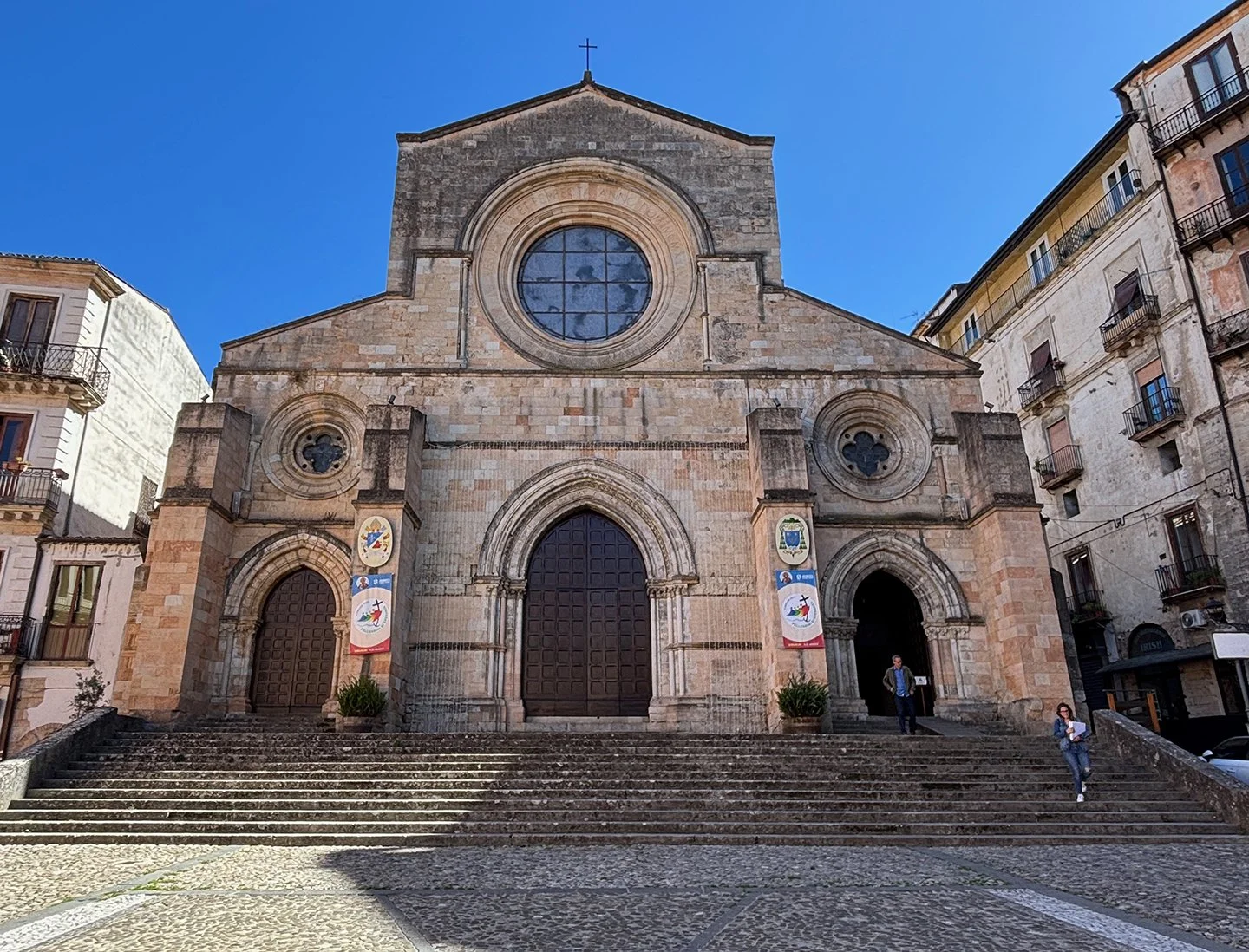
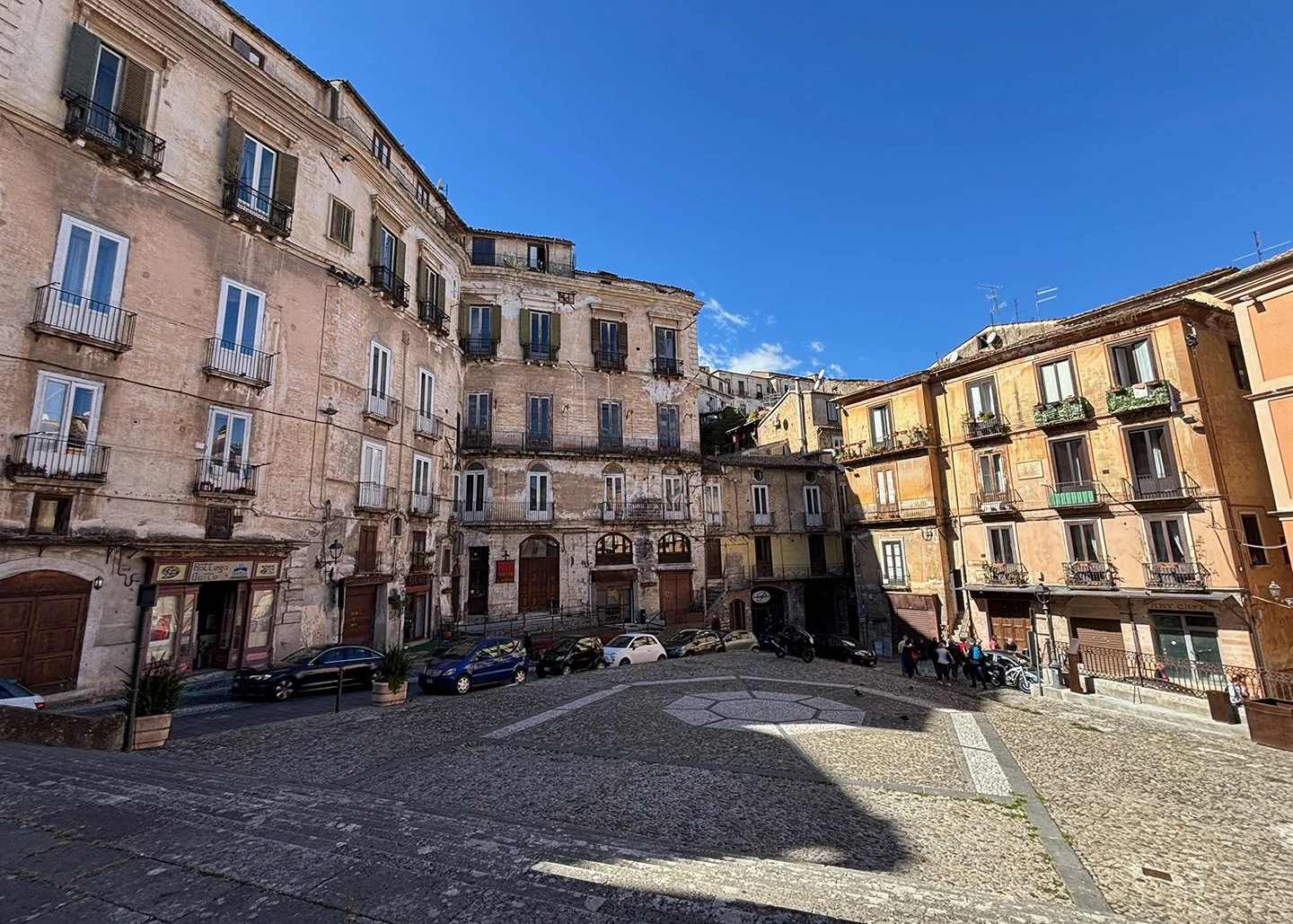
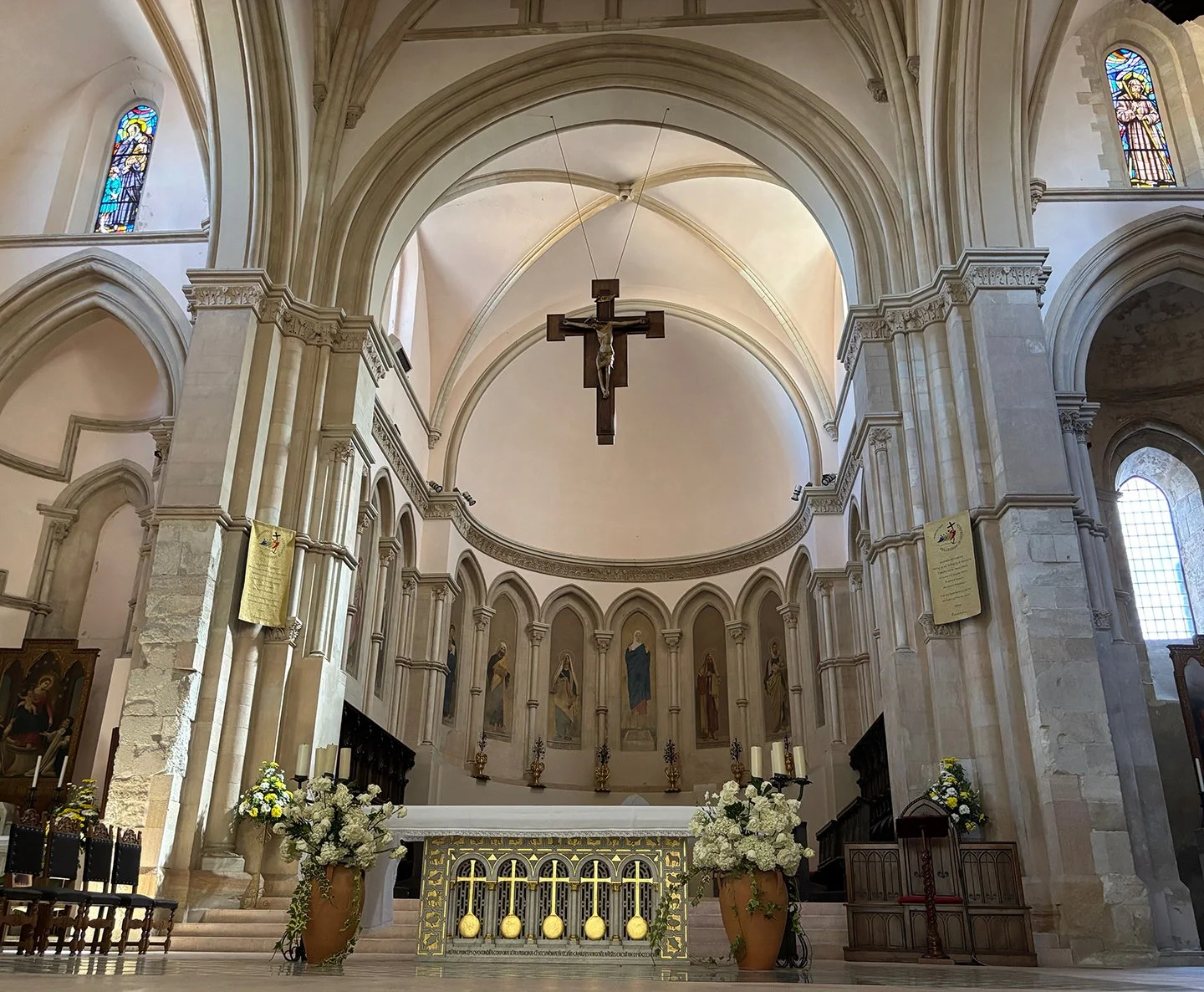
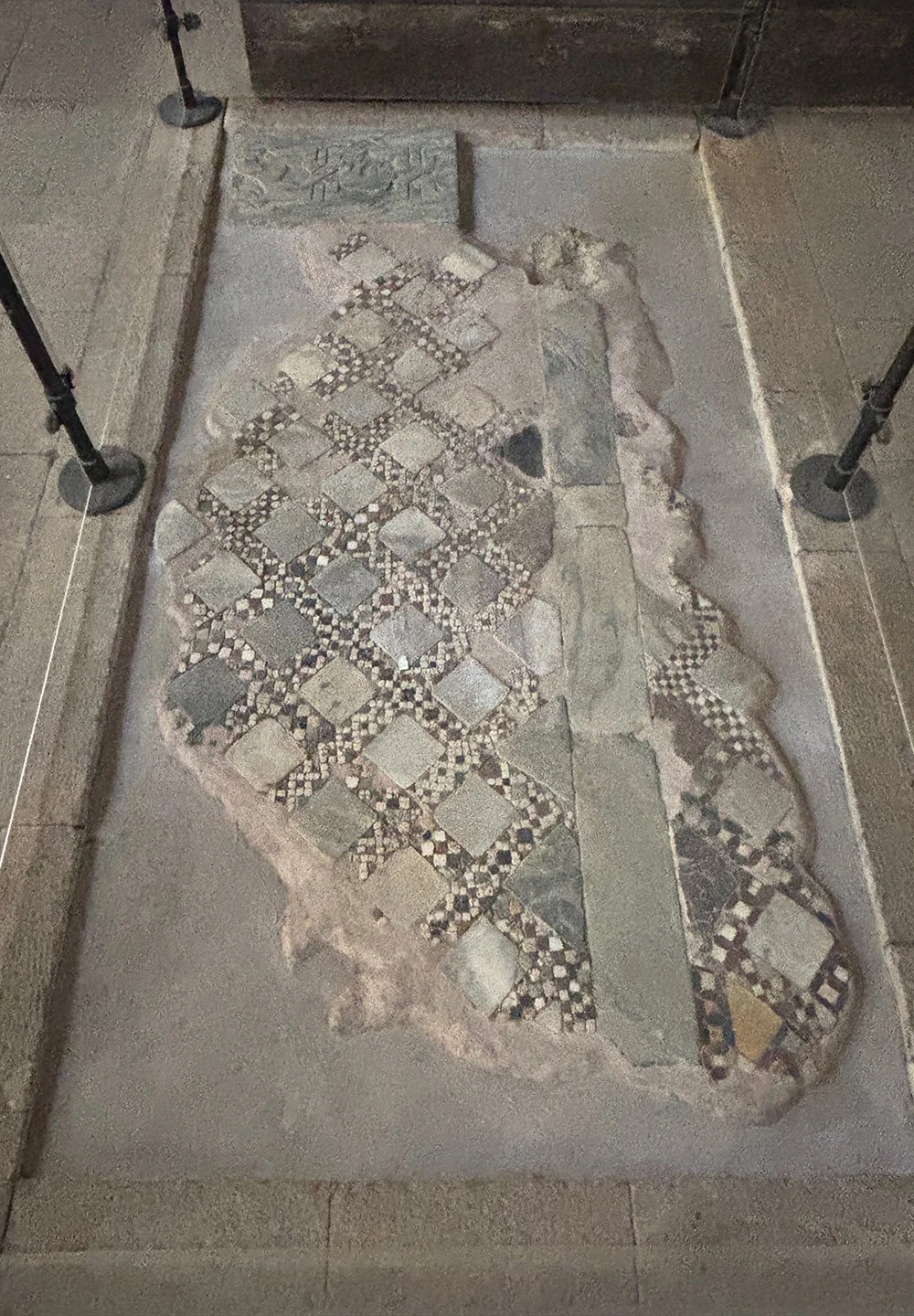
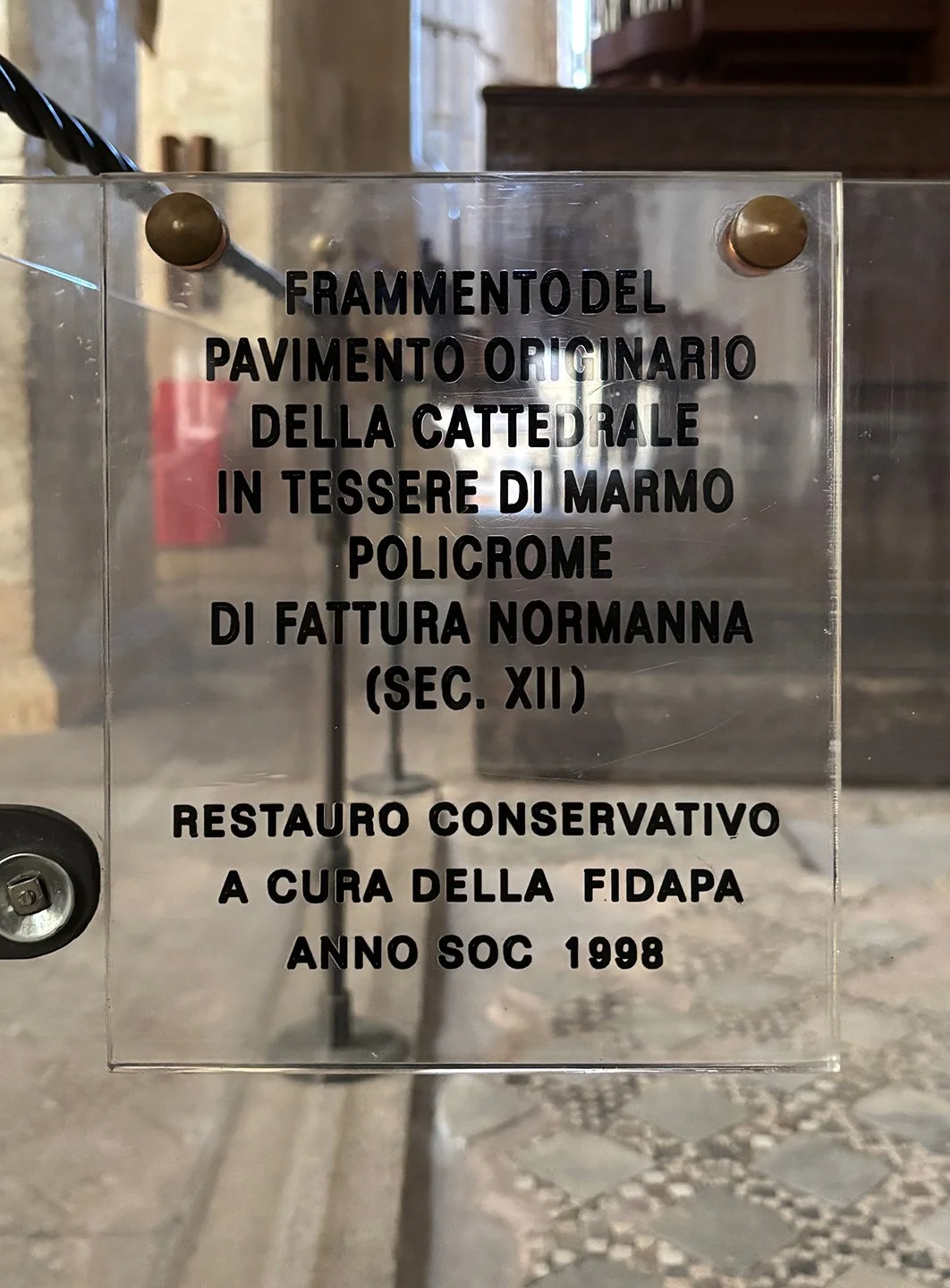
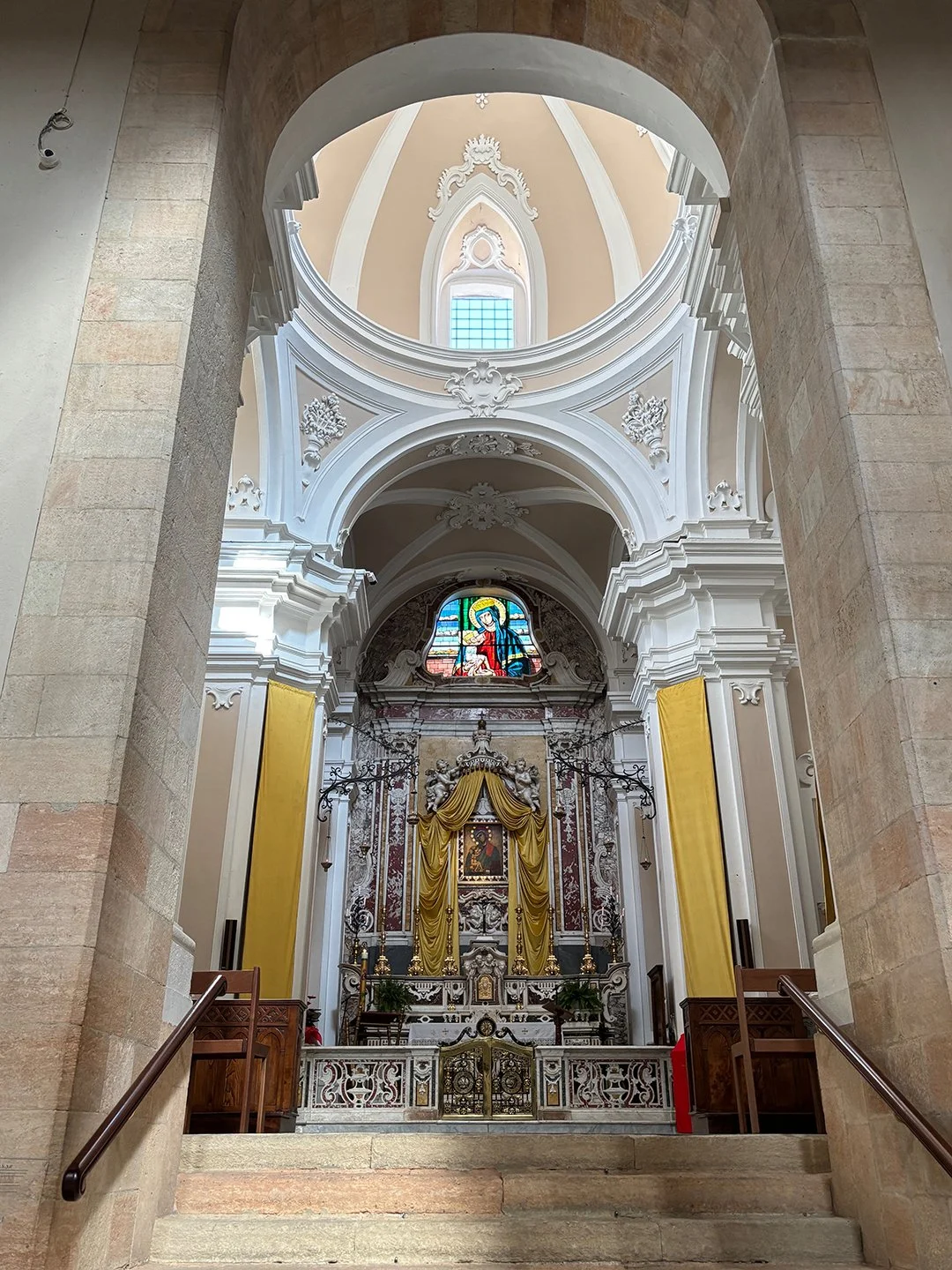
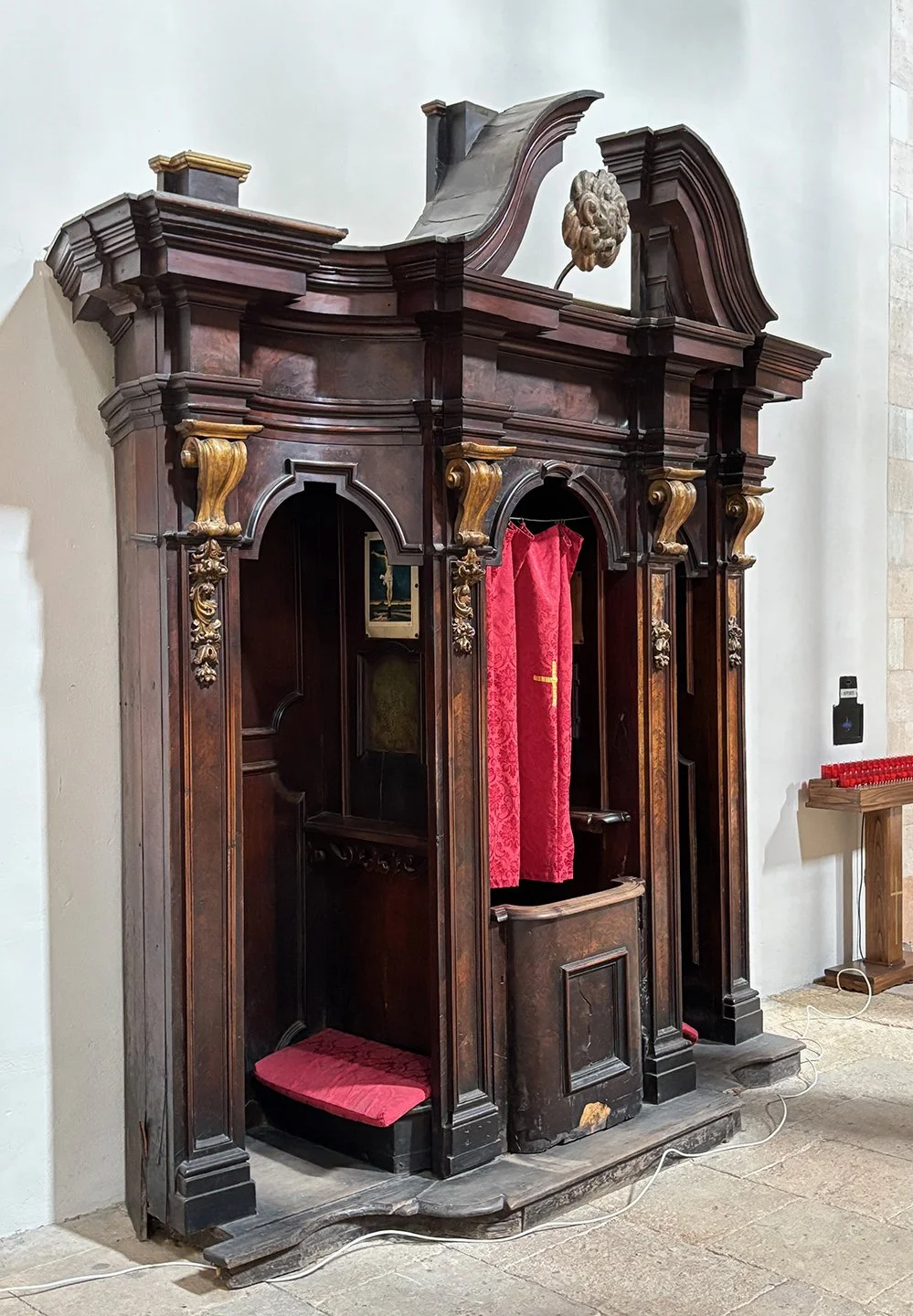
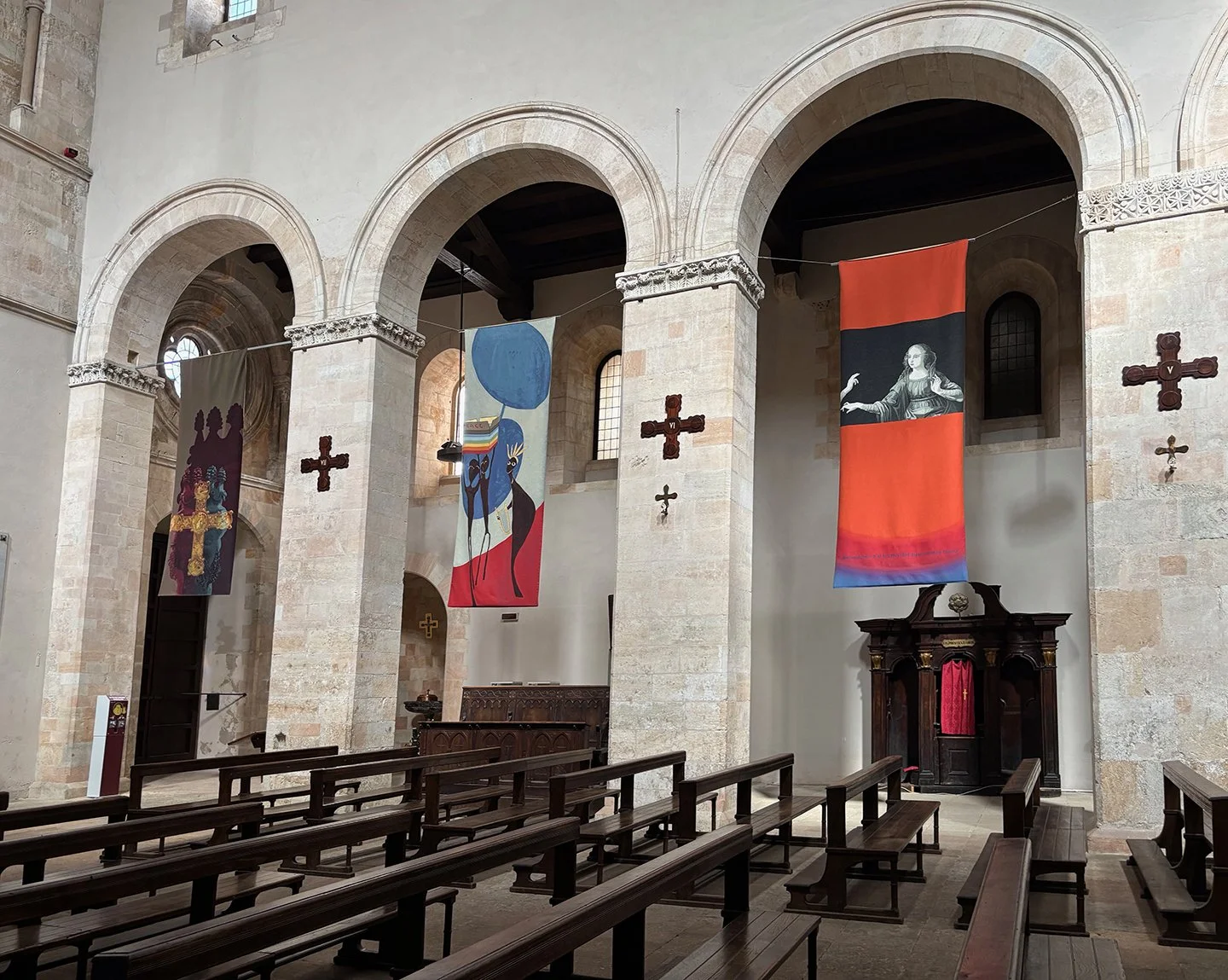
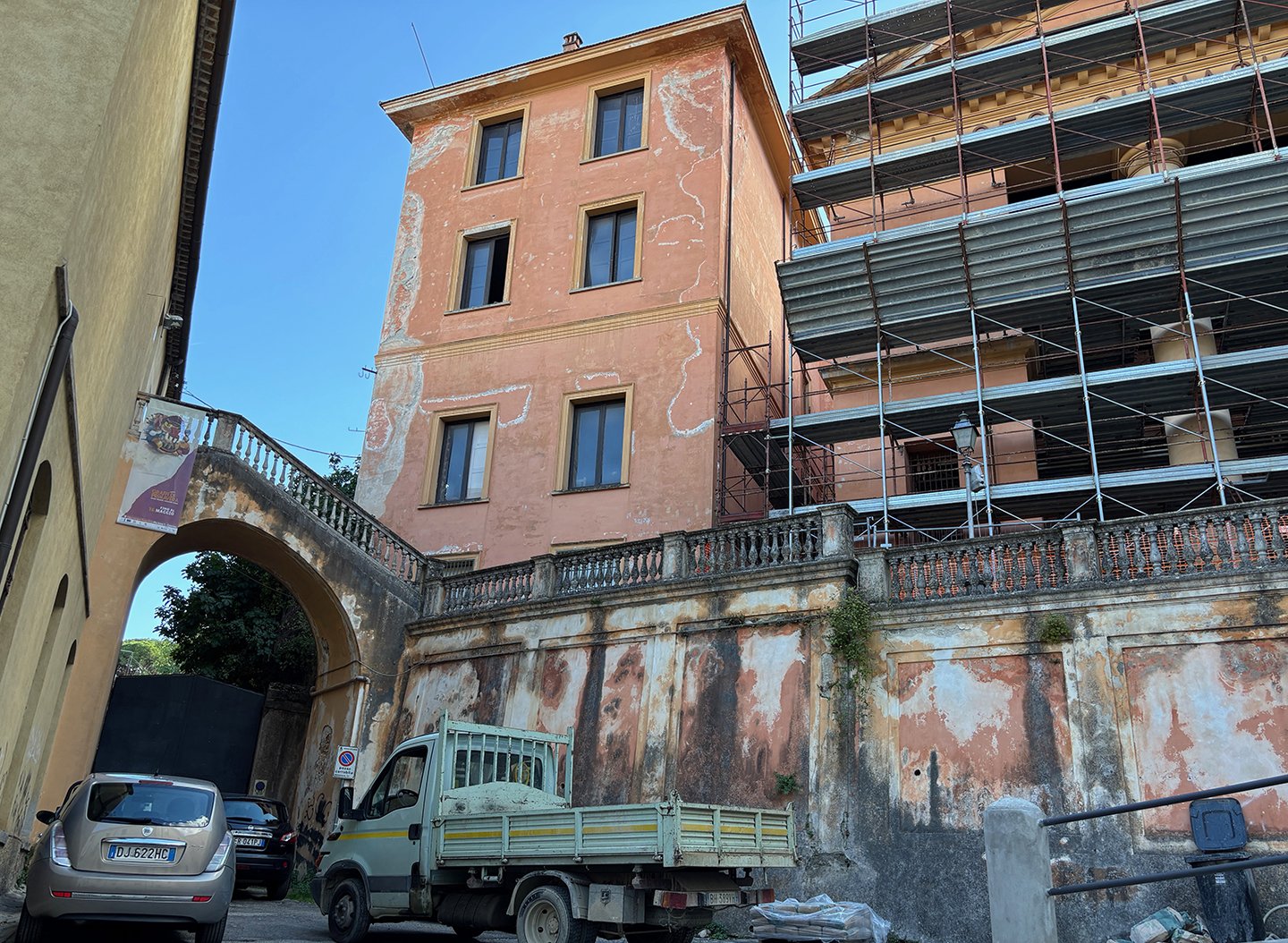
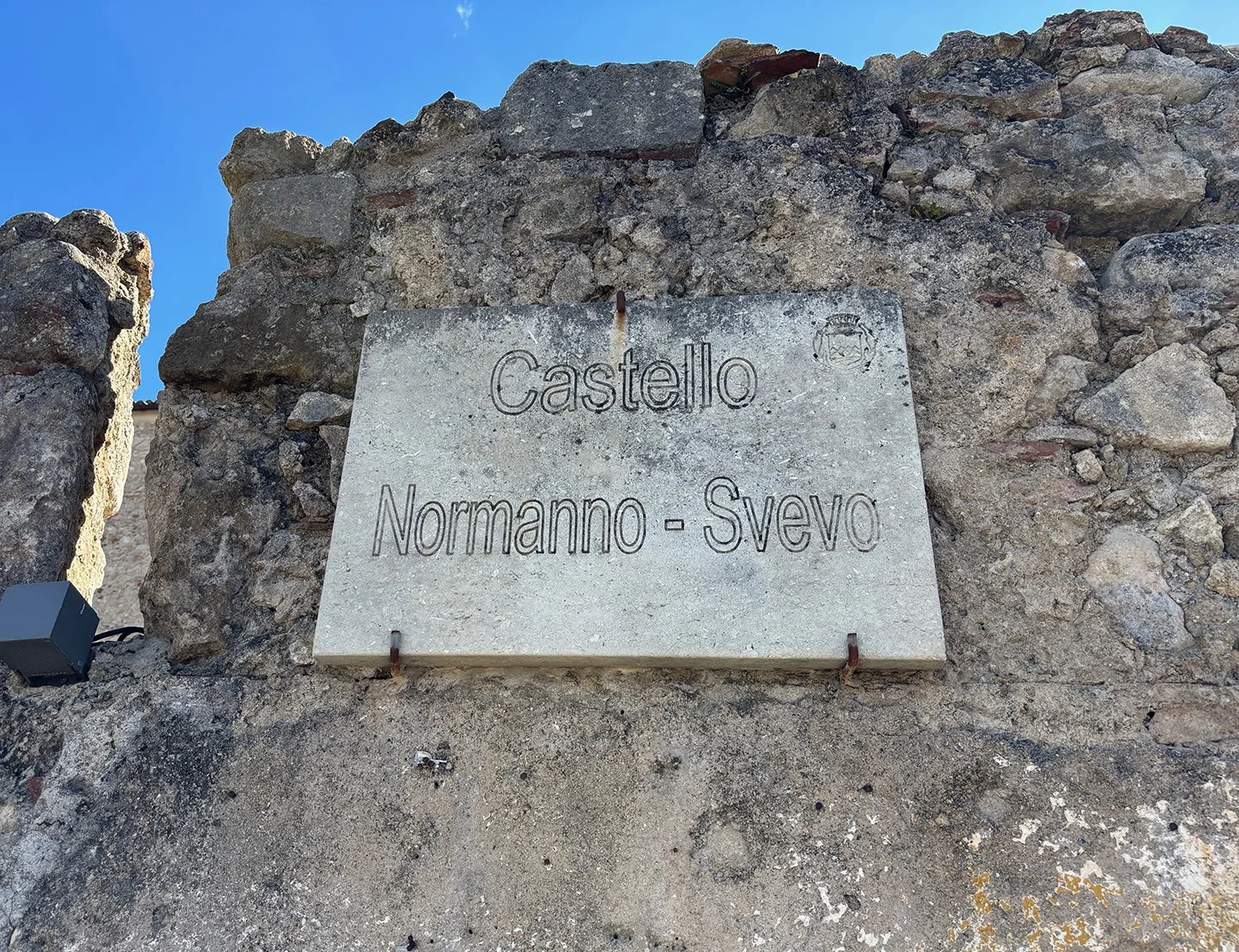
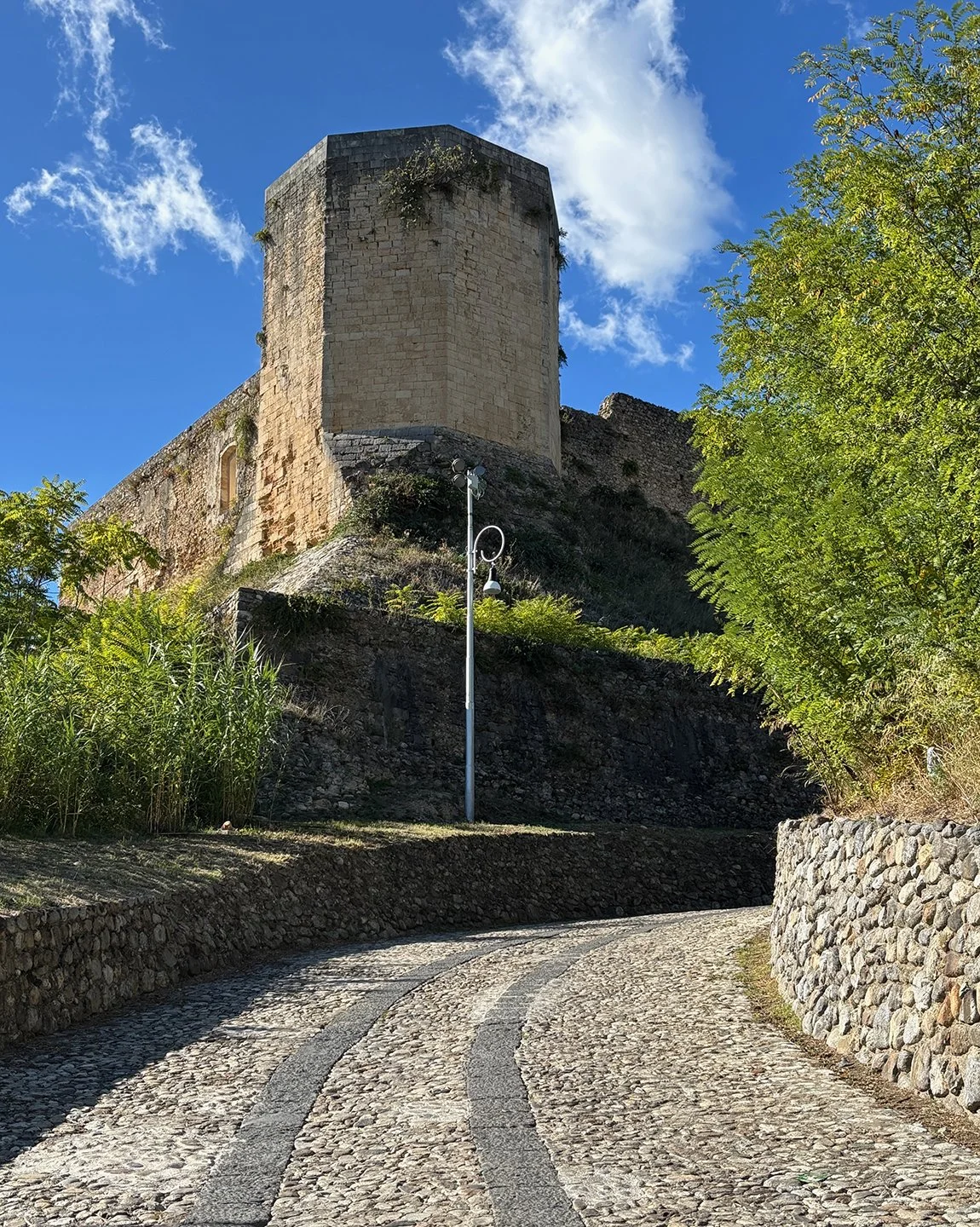
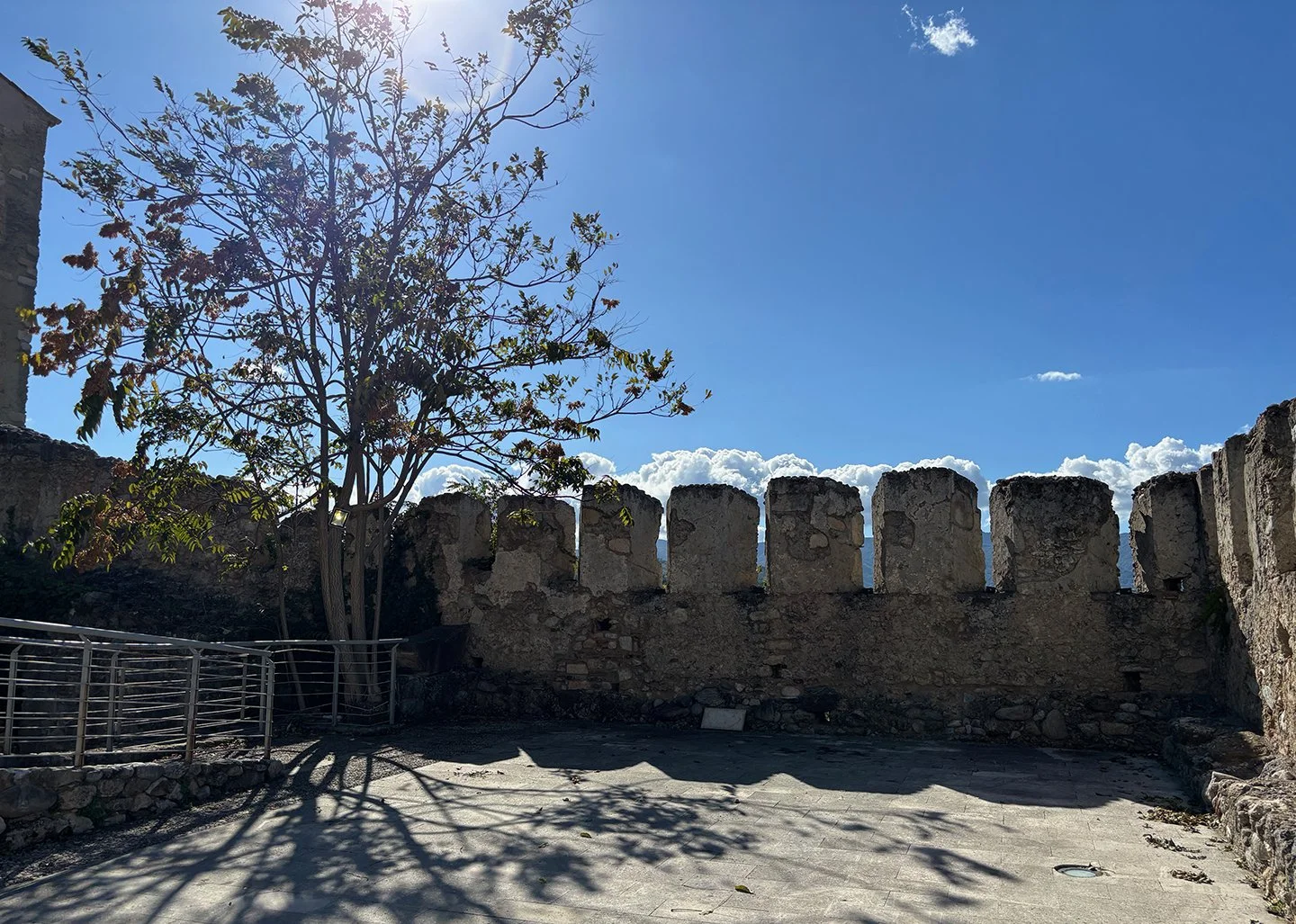
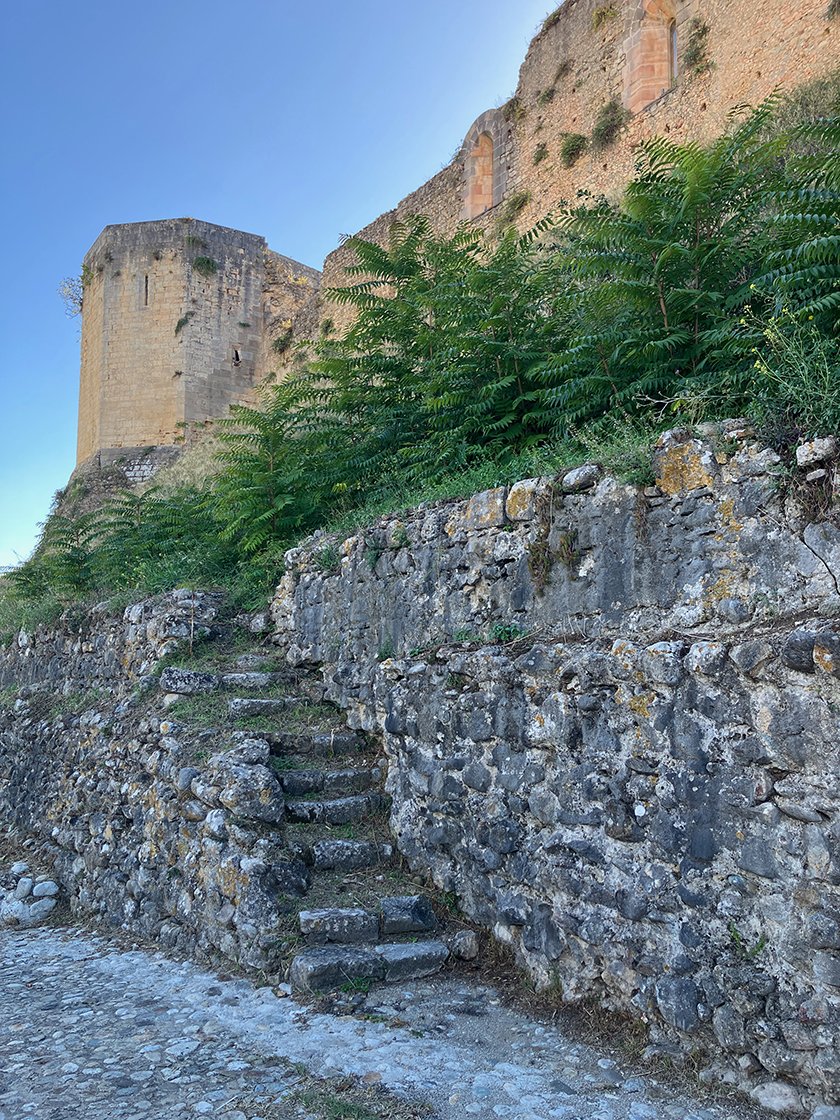
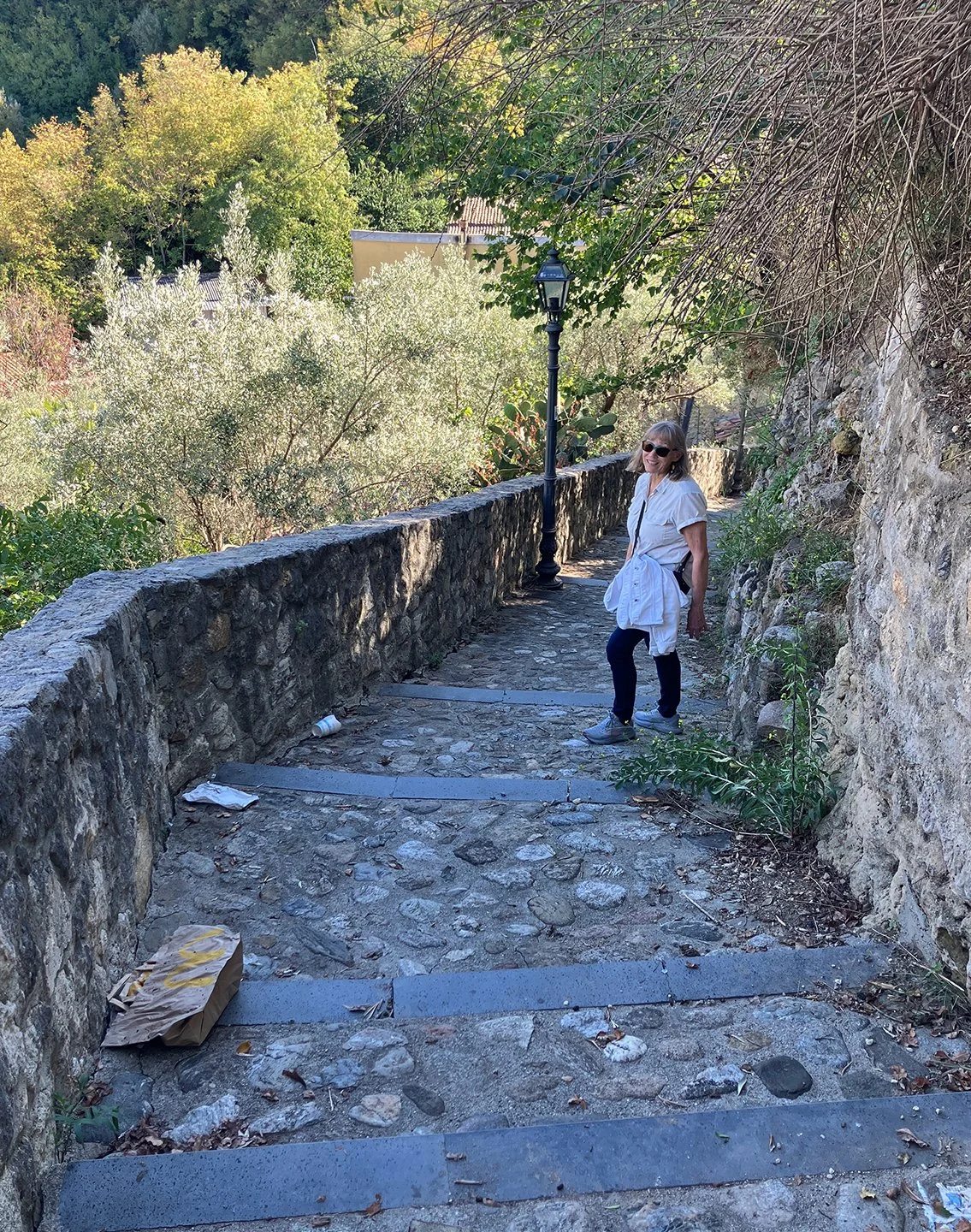
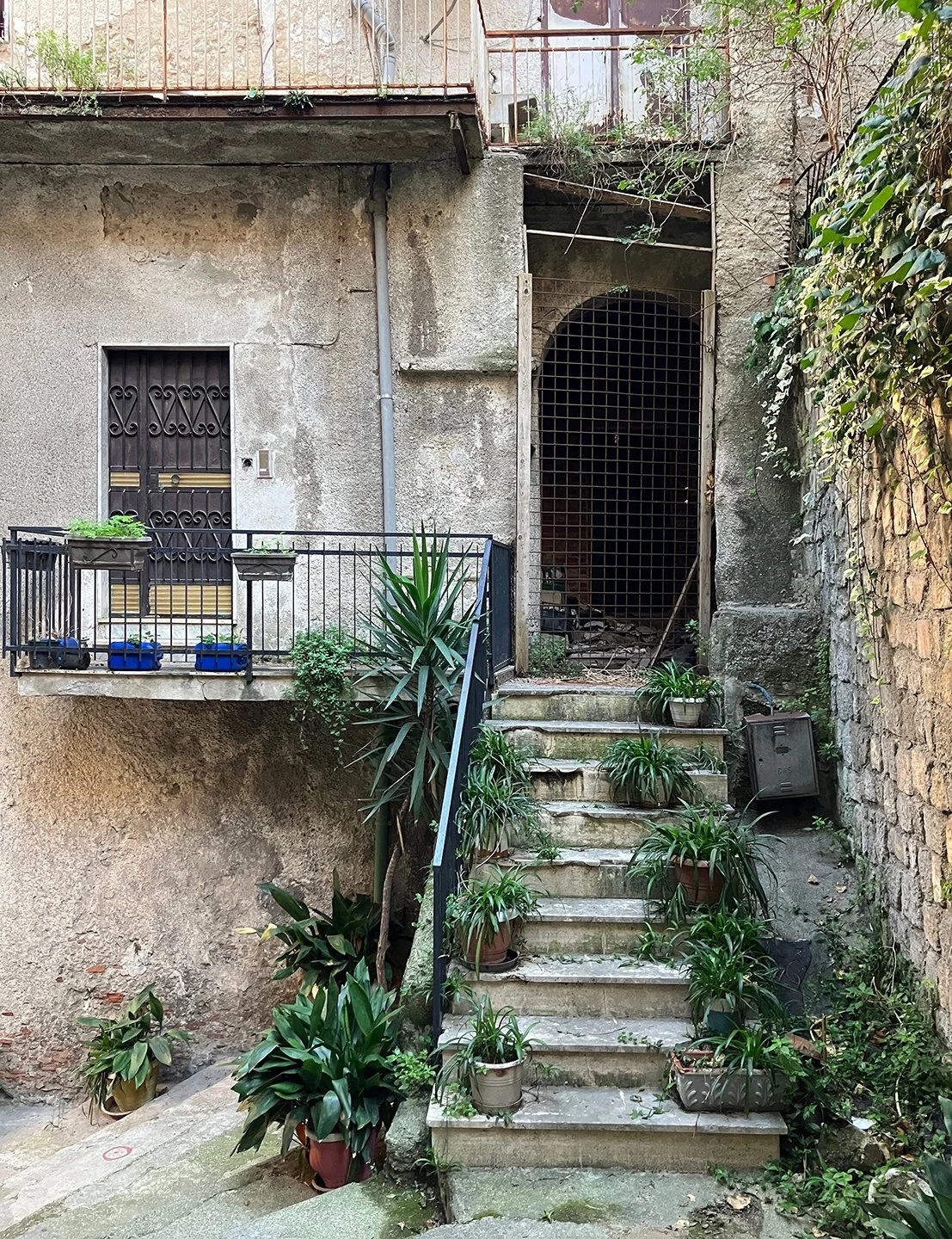
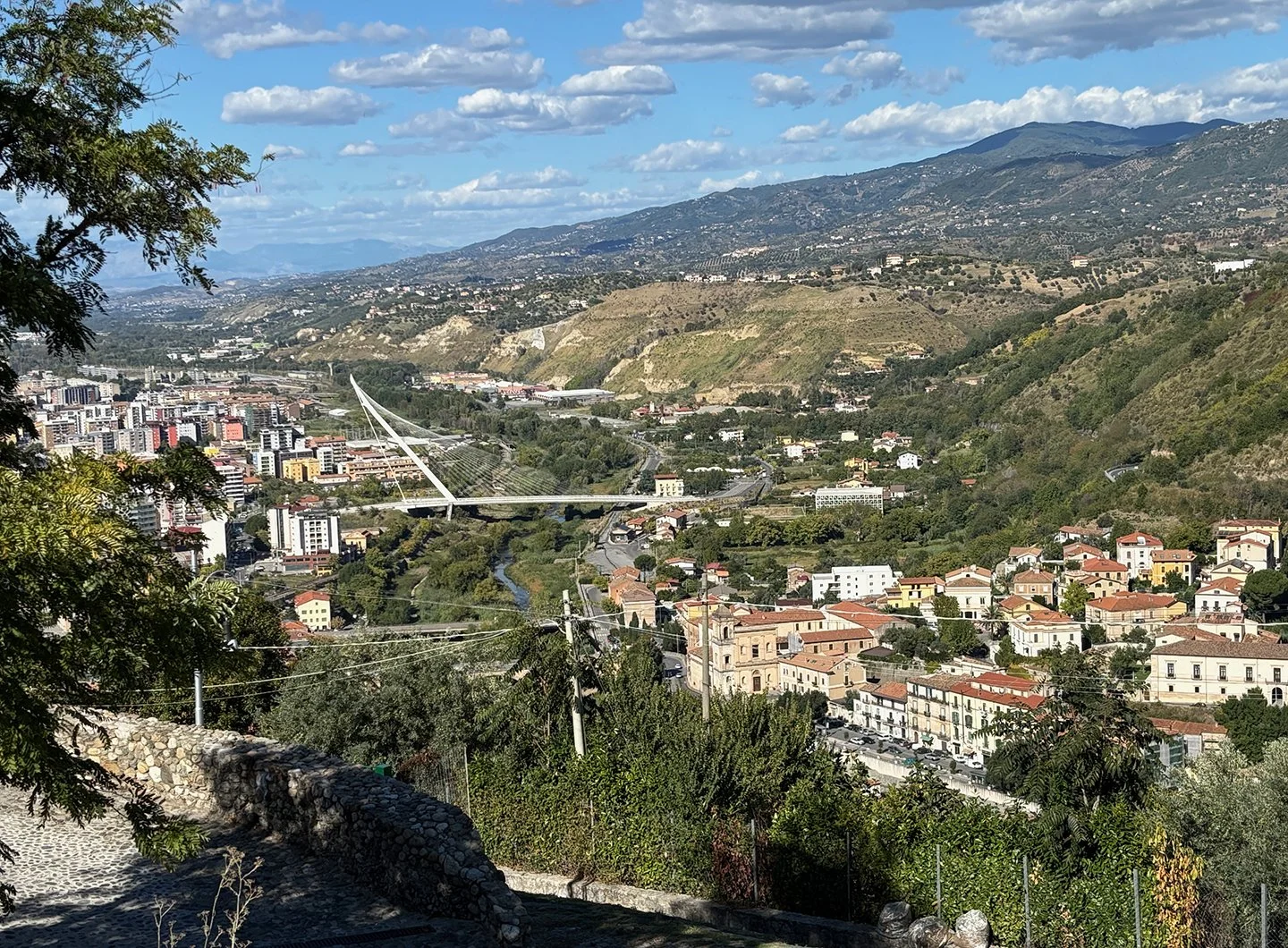
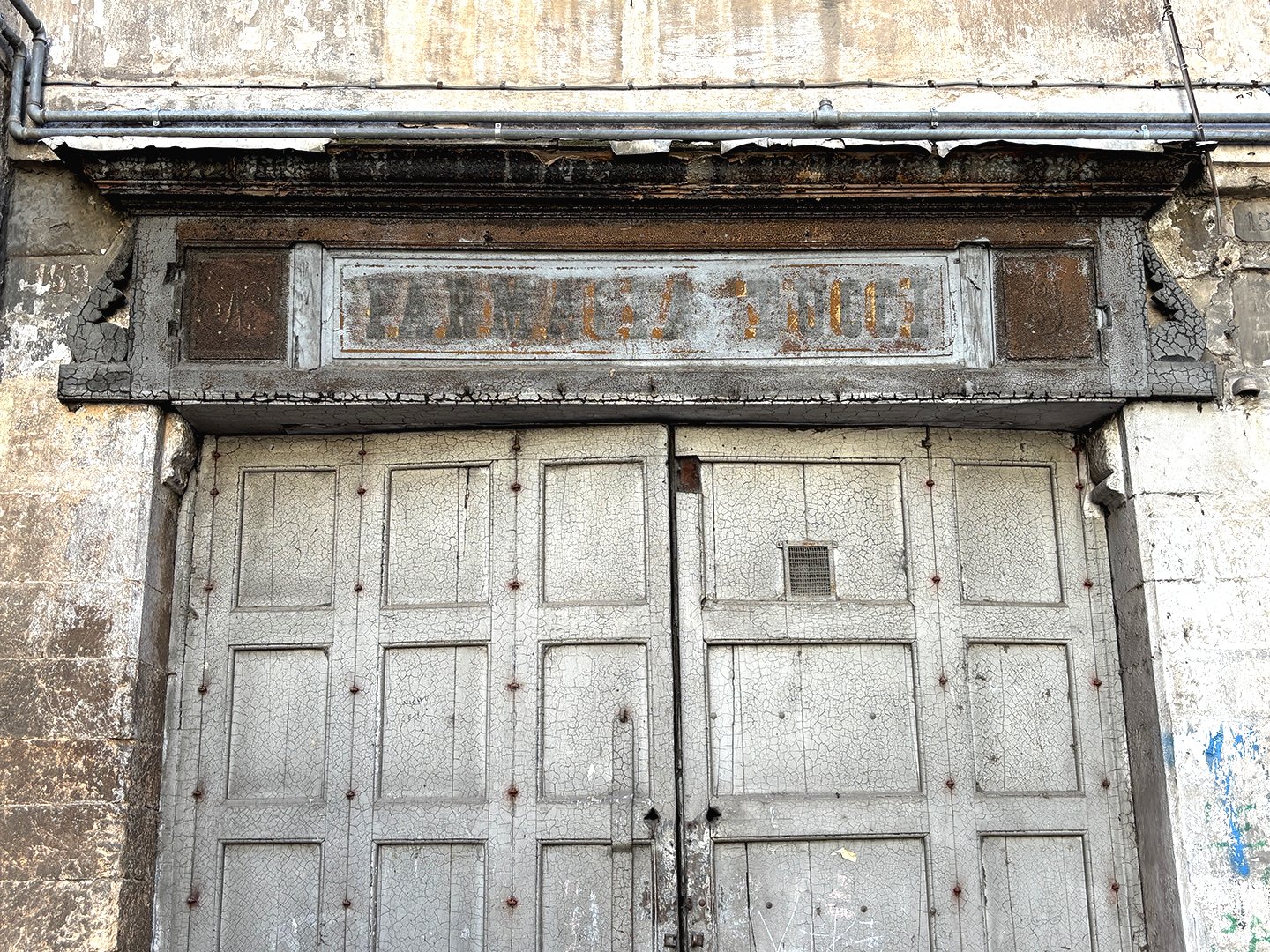
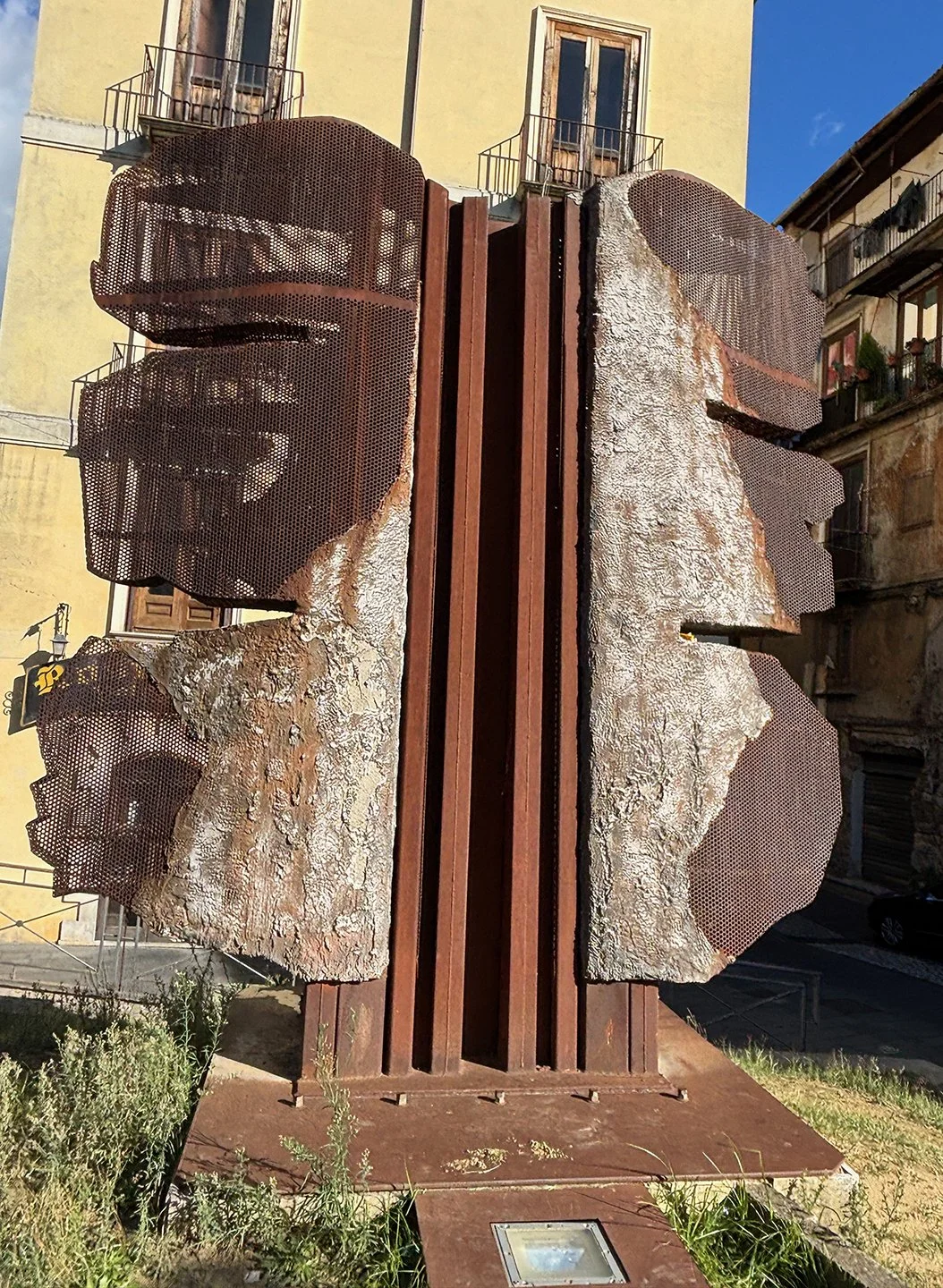
The next day was spent in the commune of Cosenza. The largest city in the region, of about 70,000, it has both newer, bustling areas and the very old town, including a 12th-13th century Norman-Swabian castle. We weren’t even sure who the Swabians were!
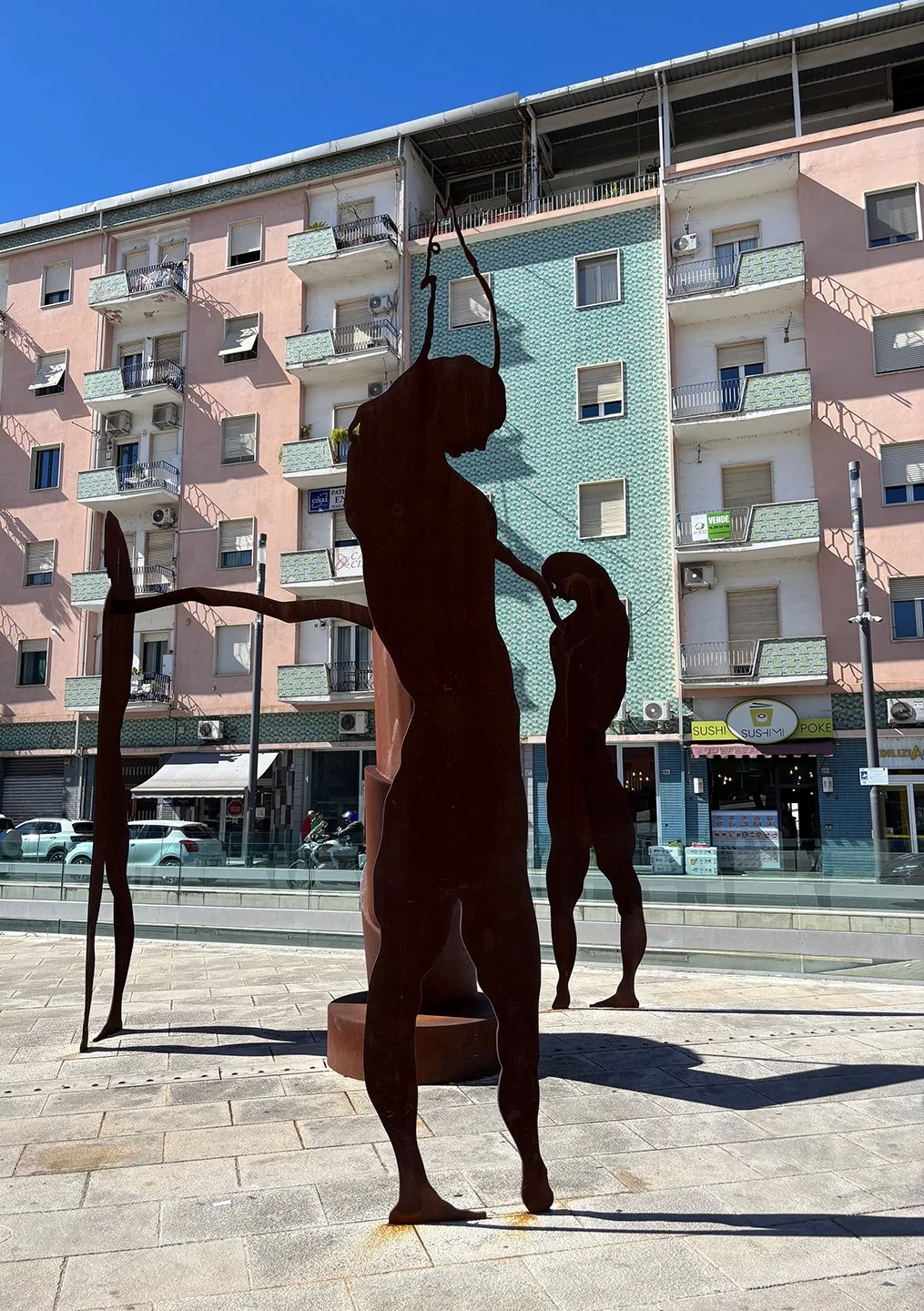
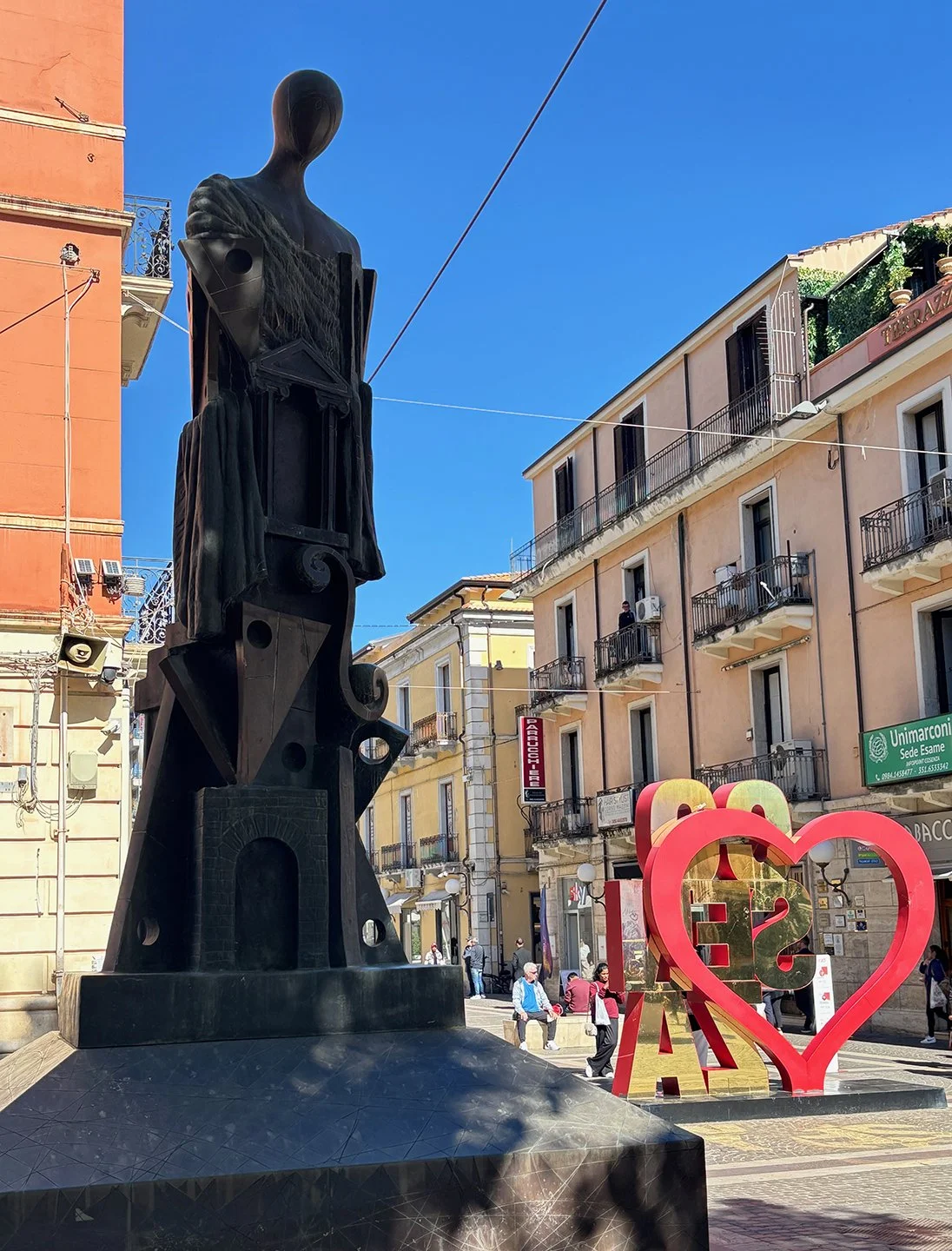
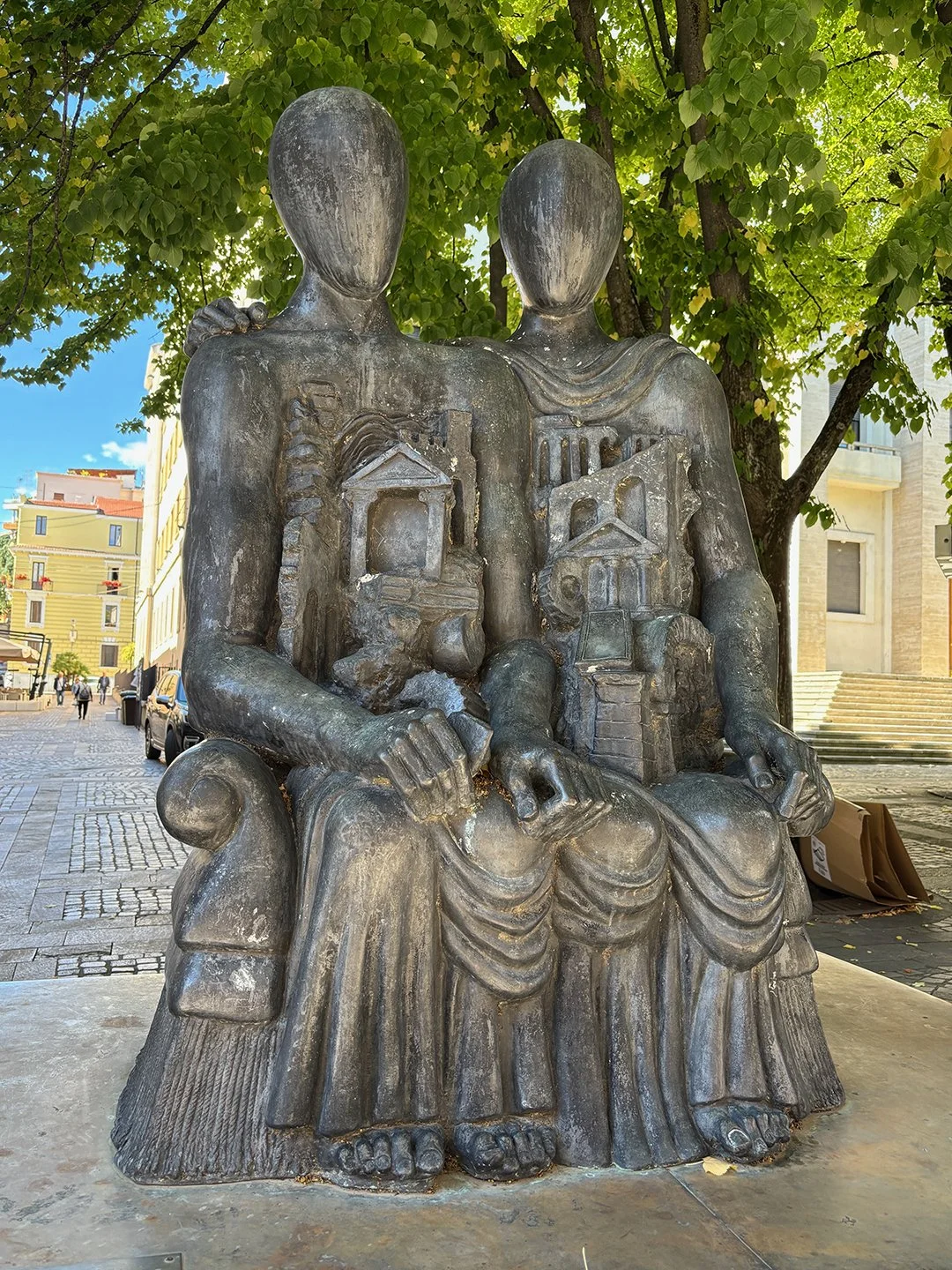
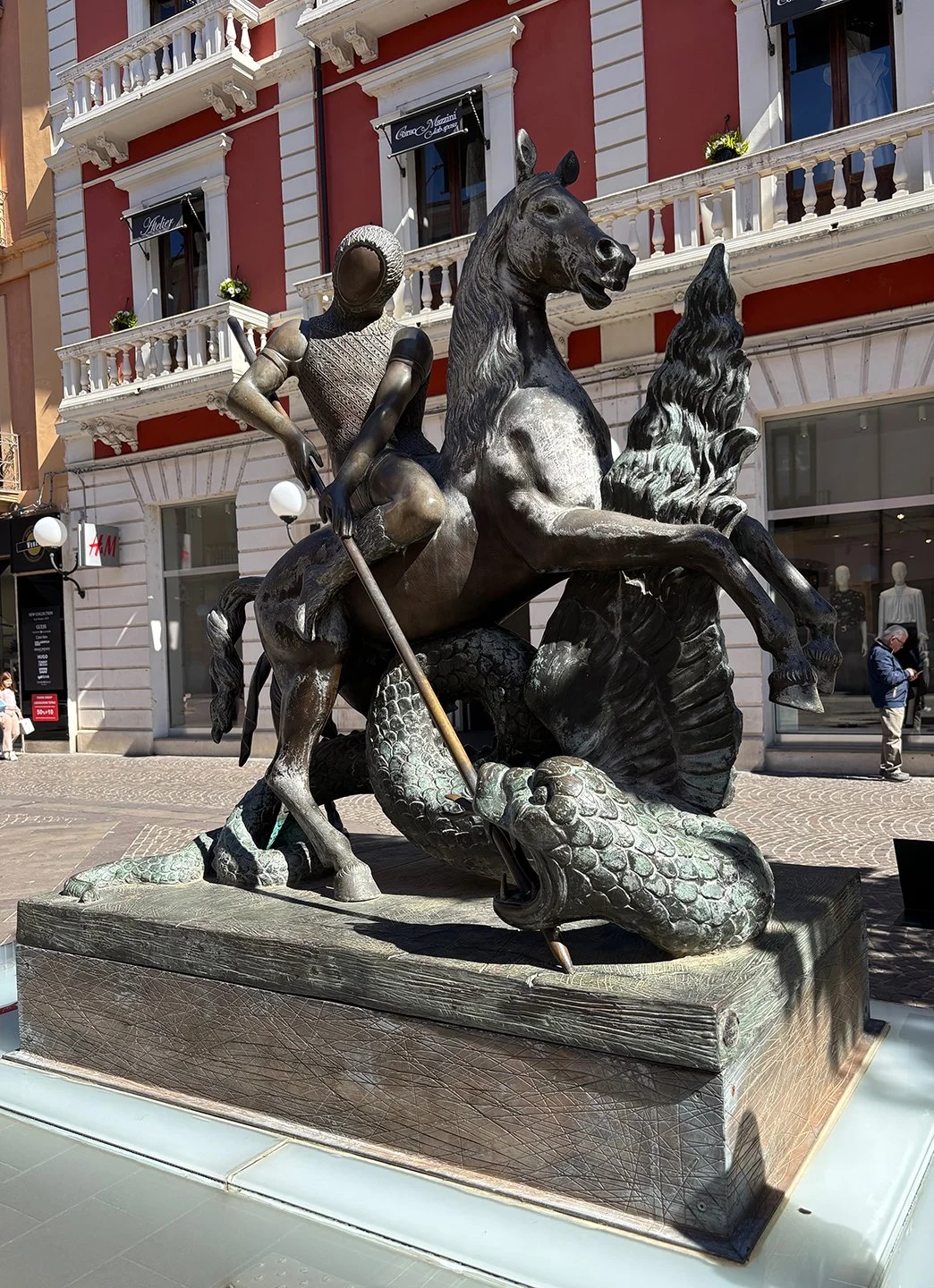
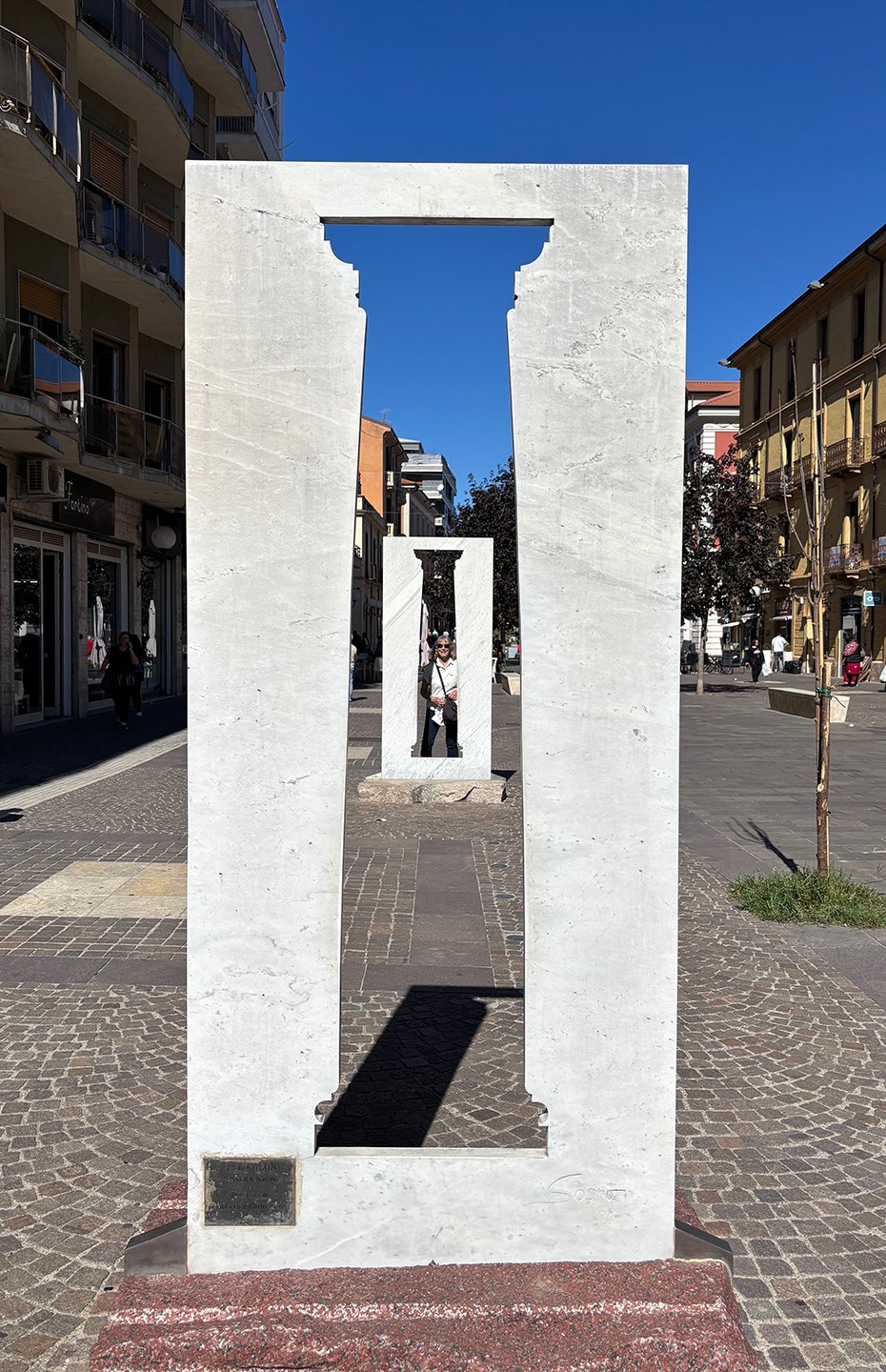
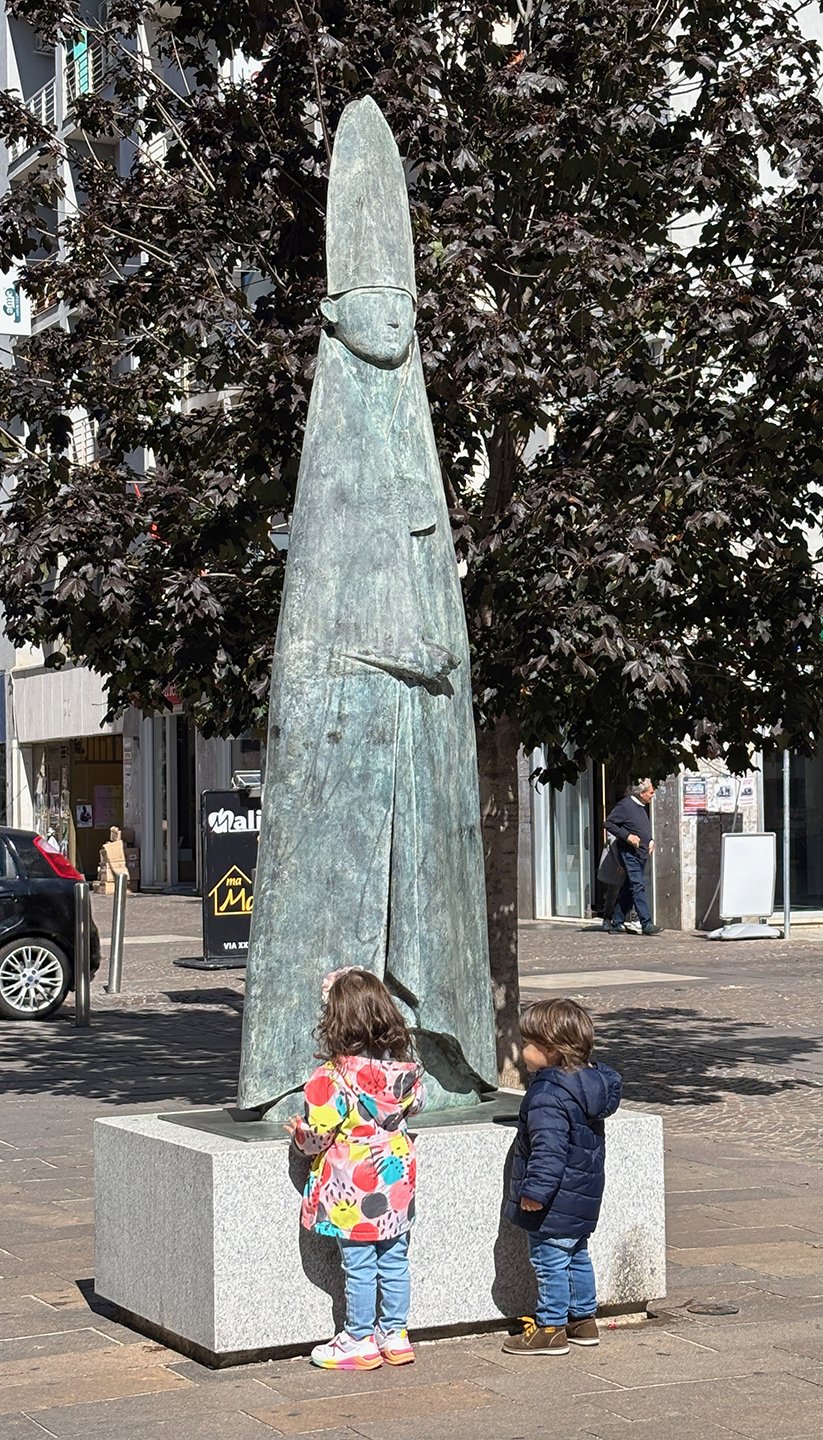
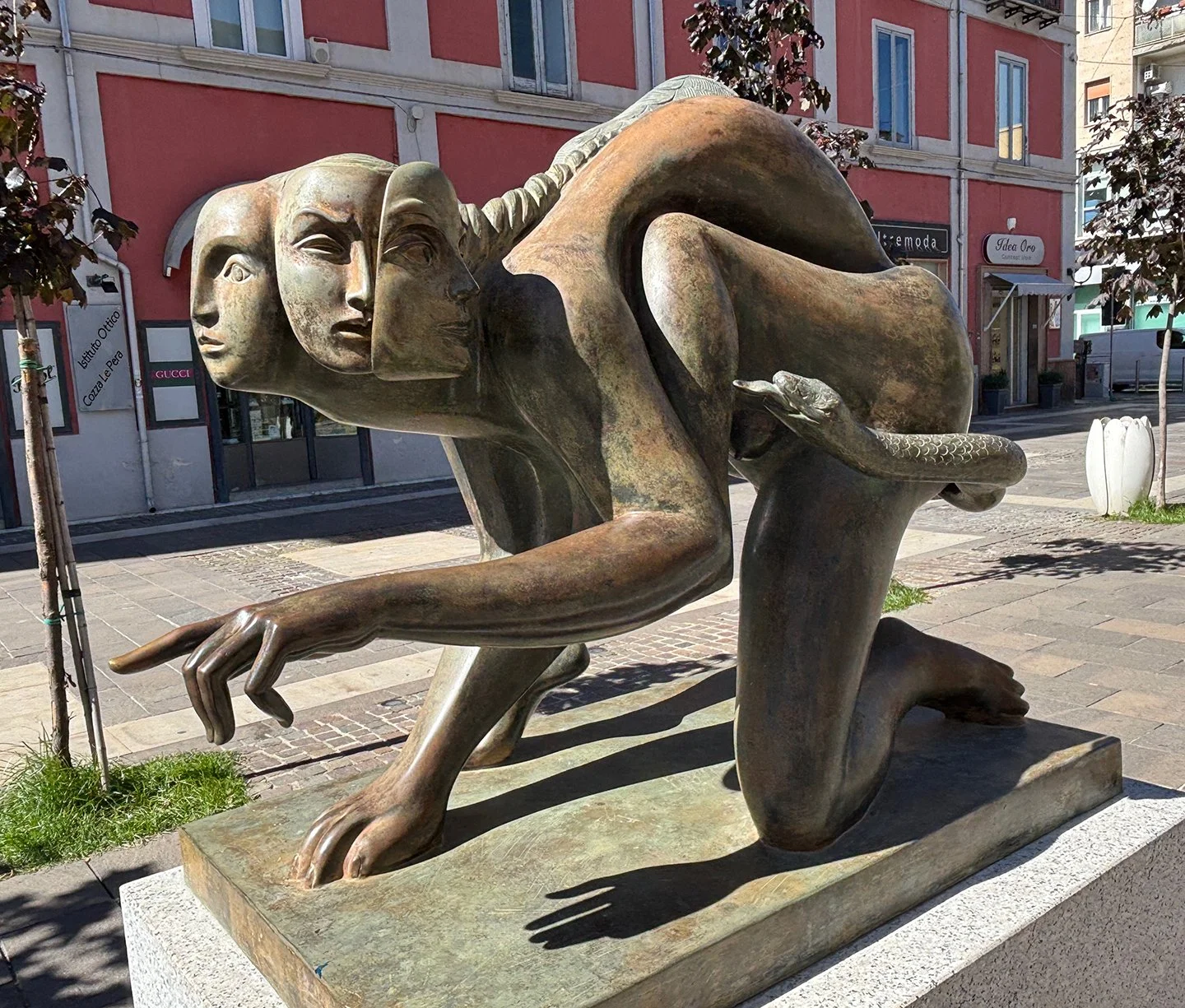
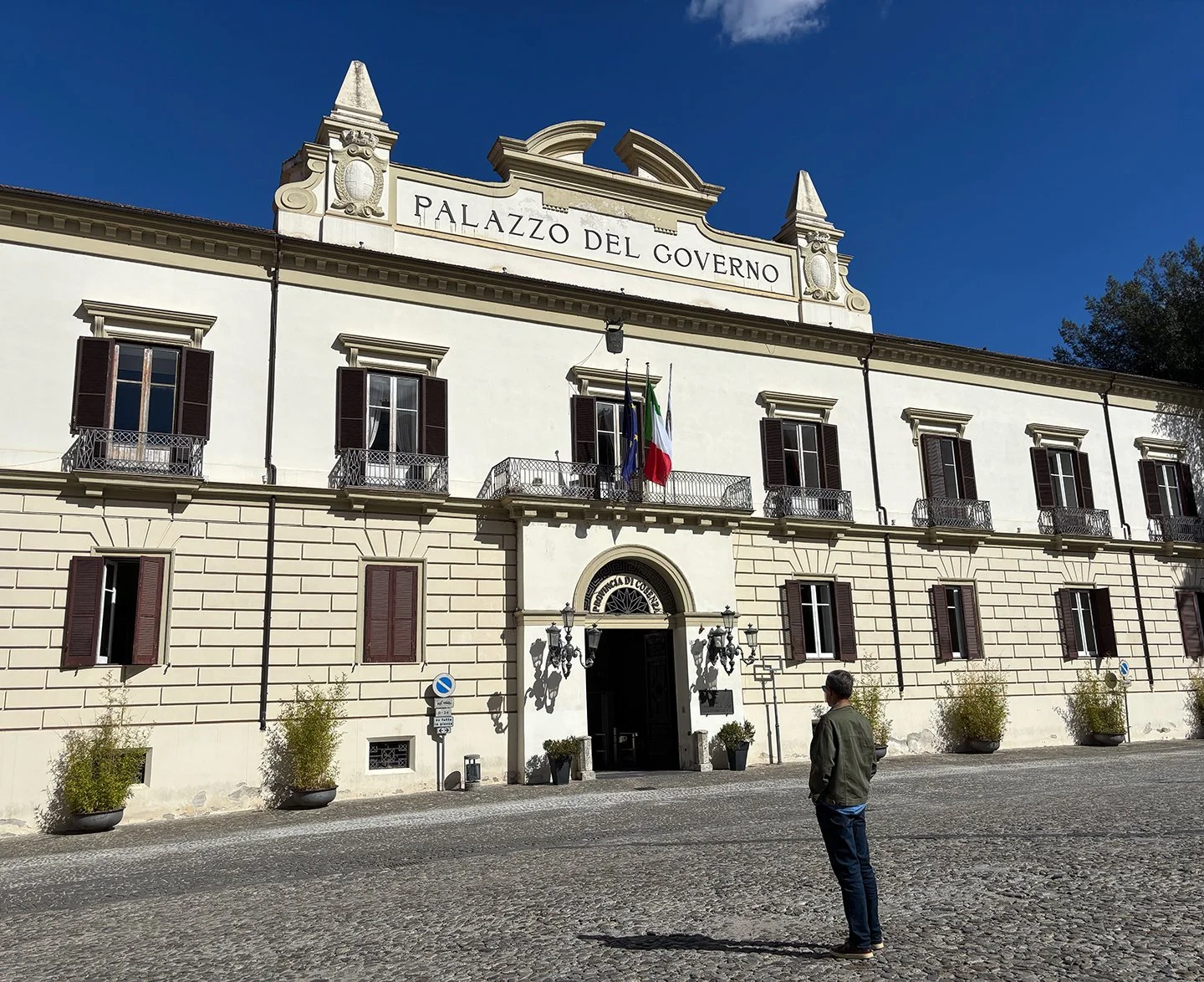
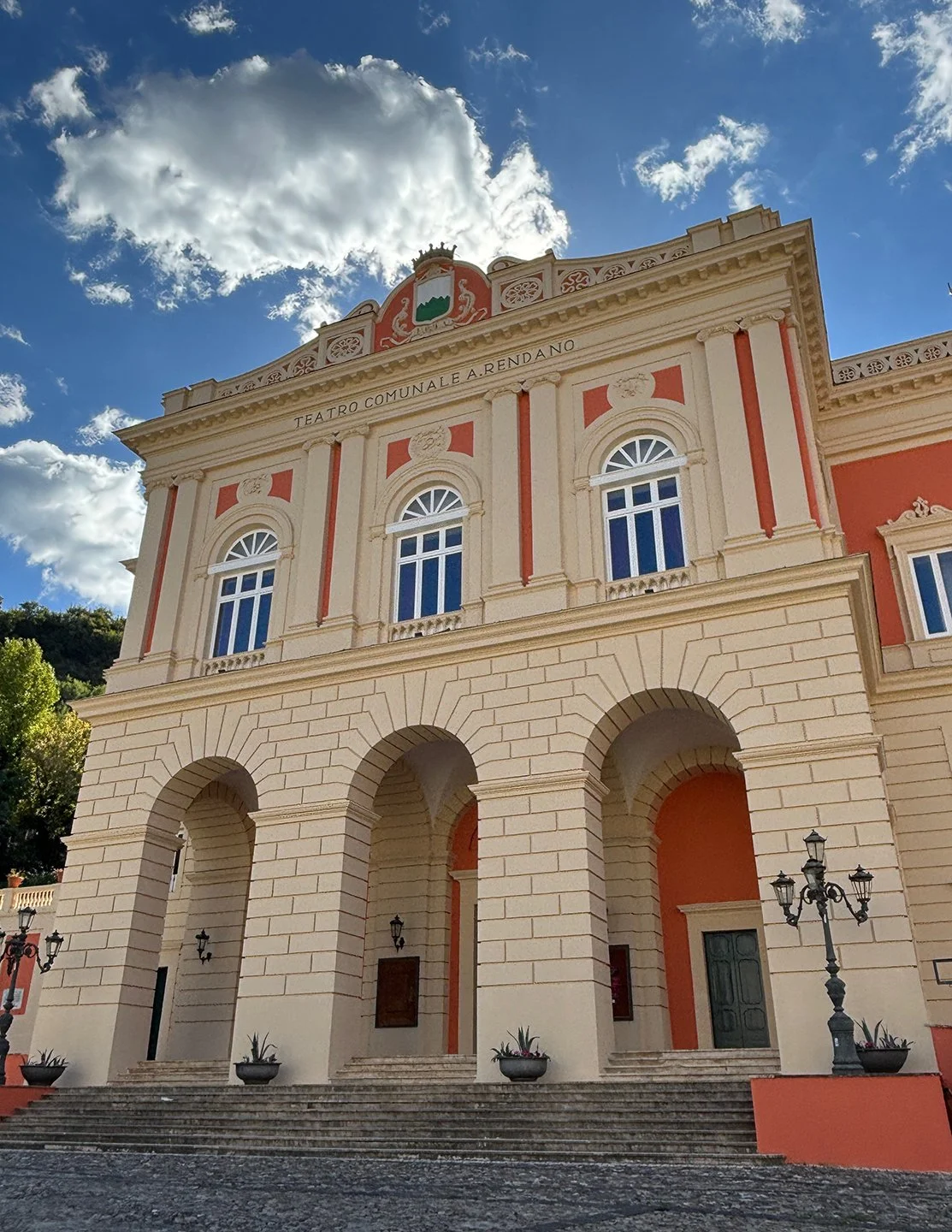
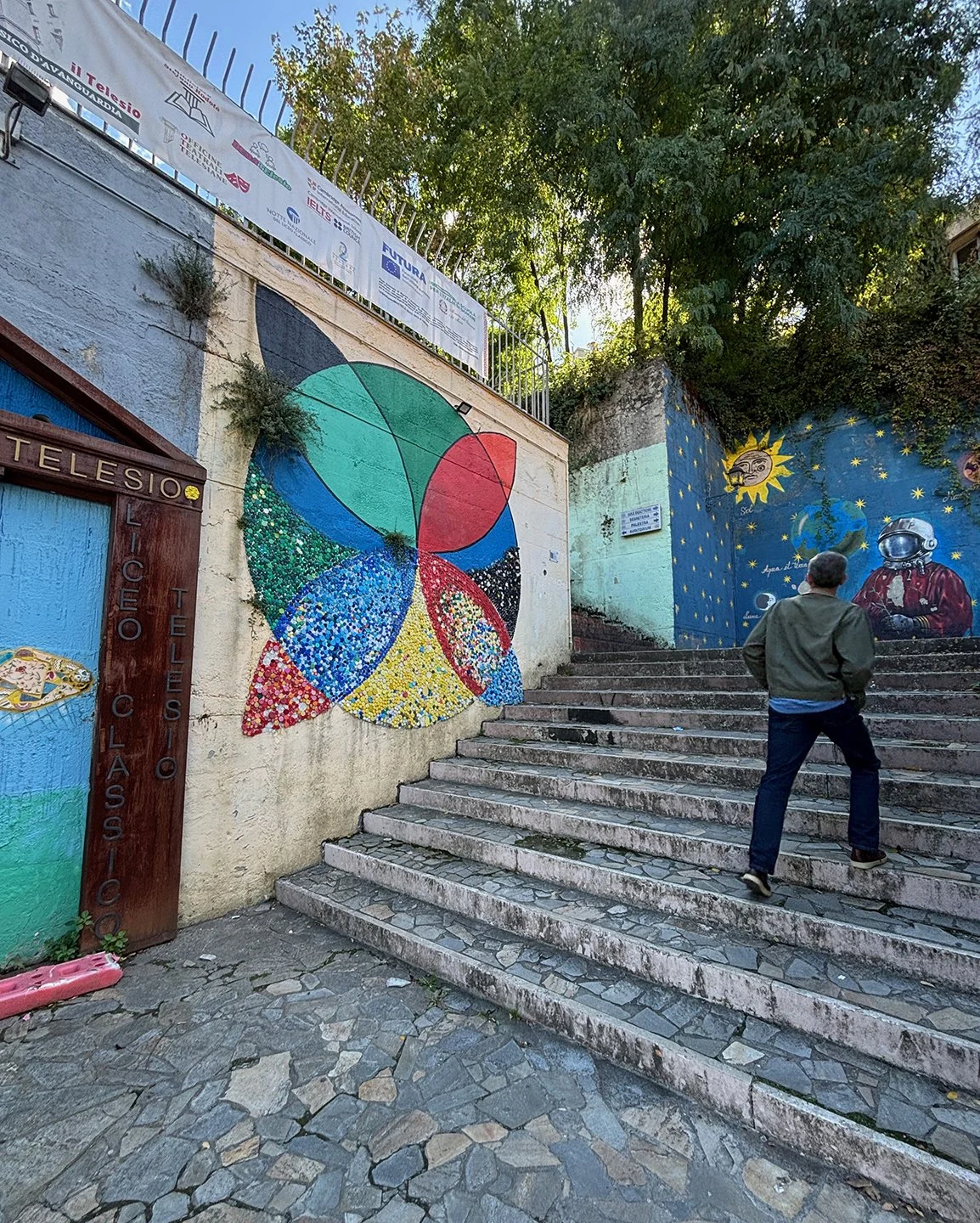
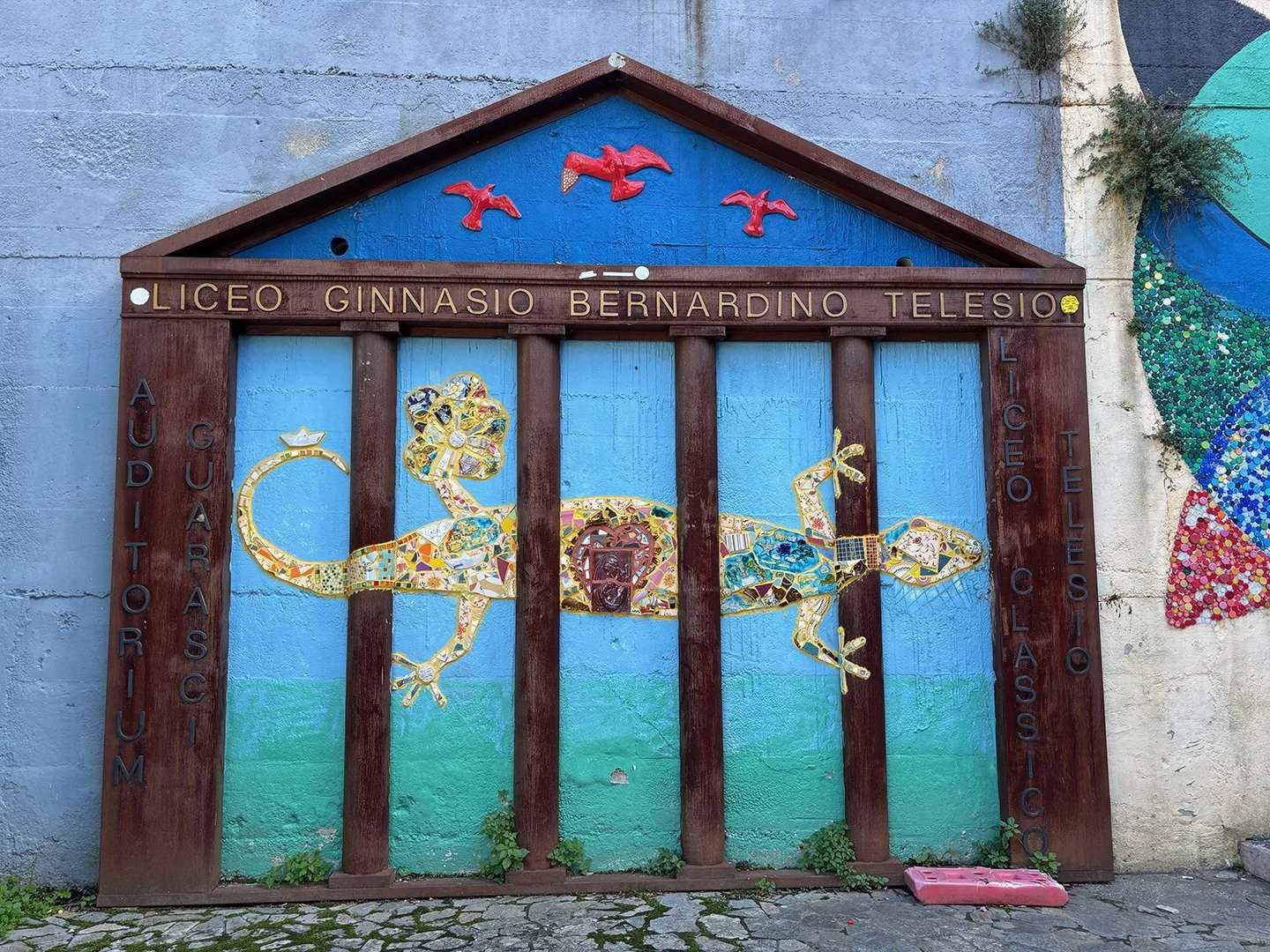
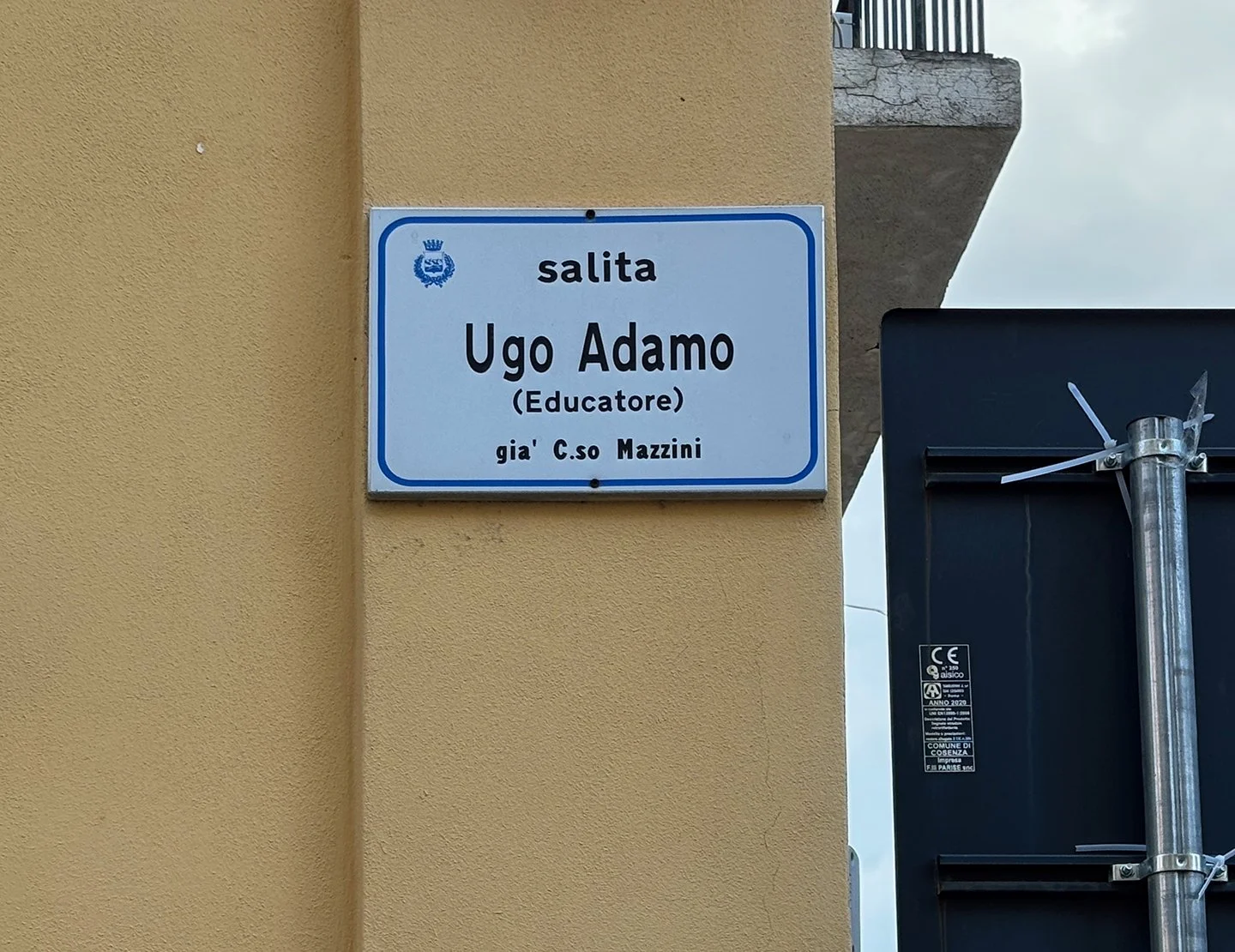
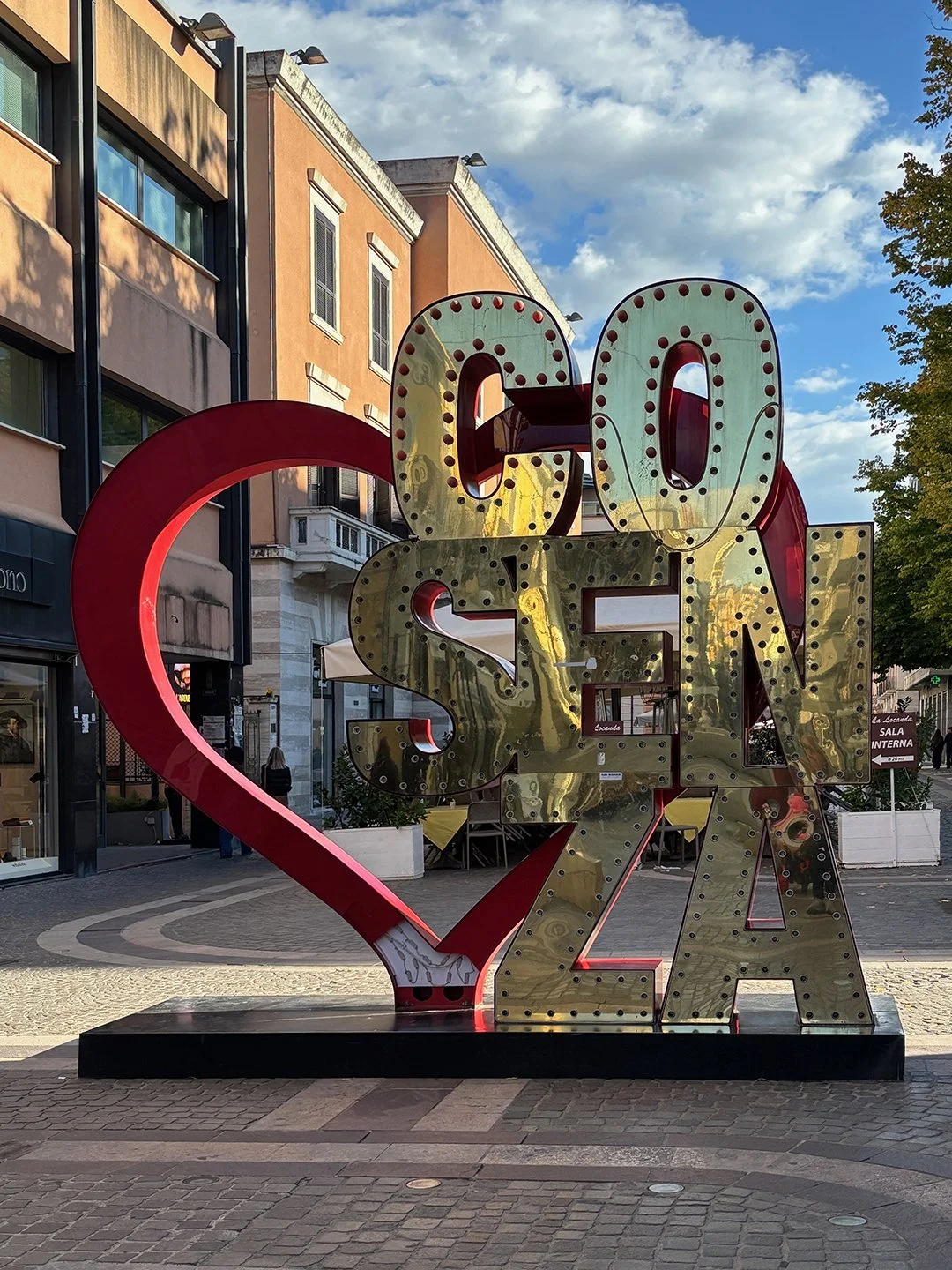
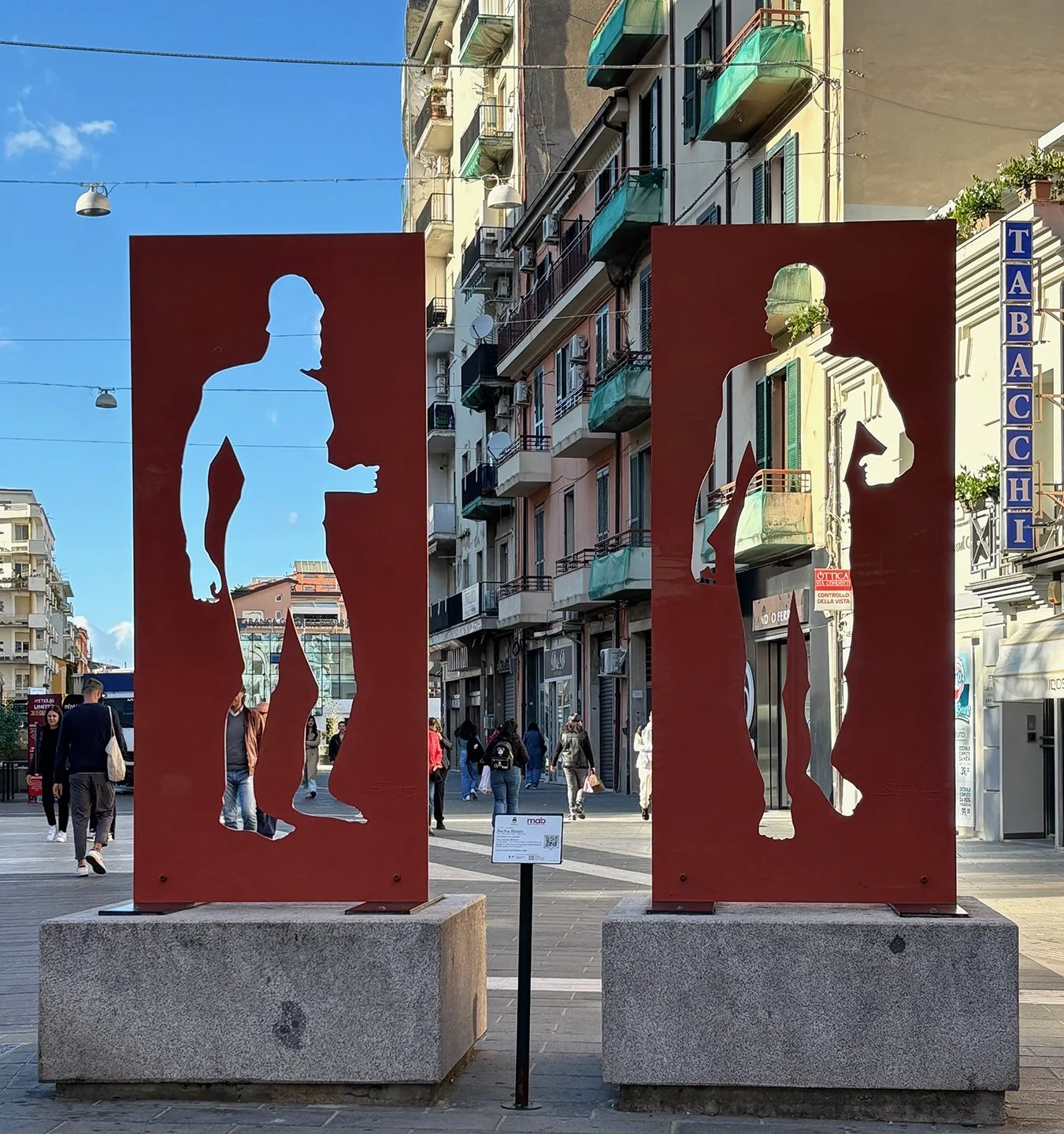
From Cosenza to Reggio Calabria
After our four days exploring the western side of the Calabrian peninsula and the Adamo side, we traveled across the toe of the boot to the eastern shore, by the Ionian sea. This is the area where my grandmother’s Panuzzi side came from. My great grandfather Pasquale had thankfully written a memoir of his early life there and his brave adventure to come to America when he was 16. From that we knew much about his life, but just a little about his origins and family history. I took that kernel and came to see if I could find more.
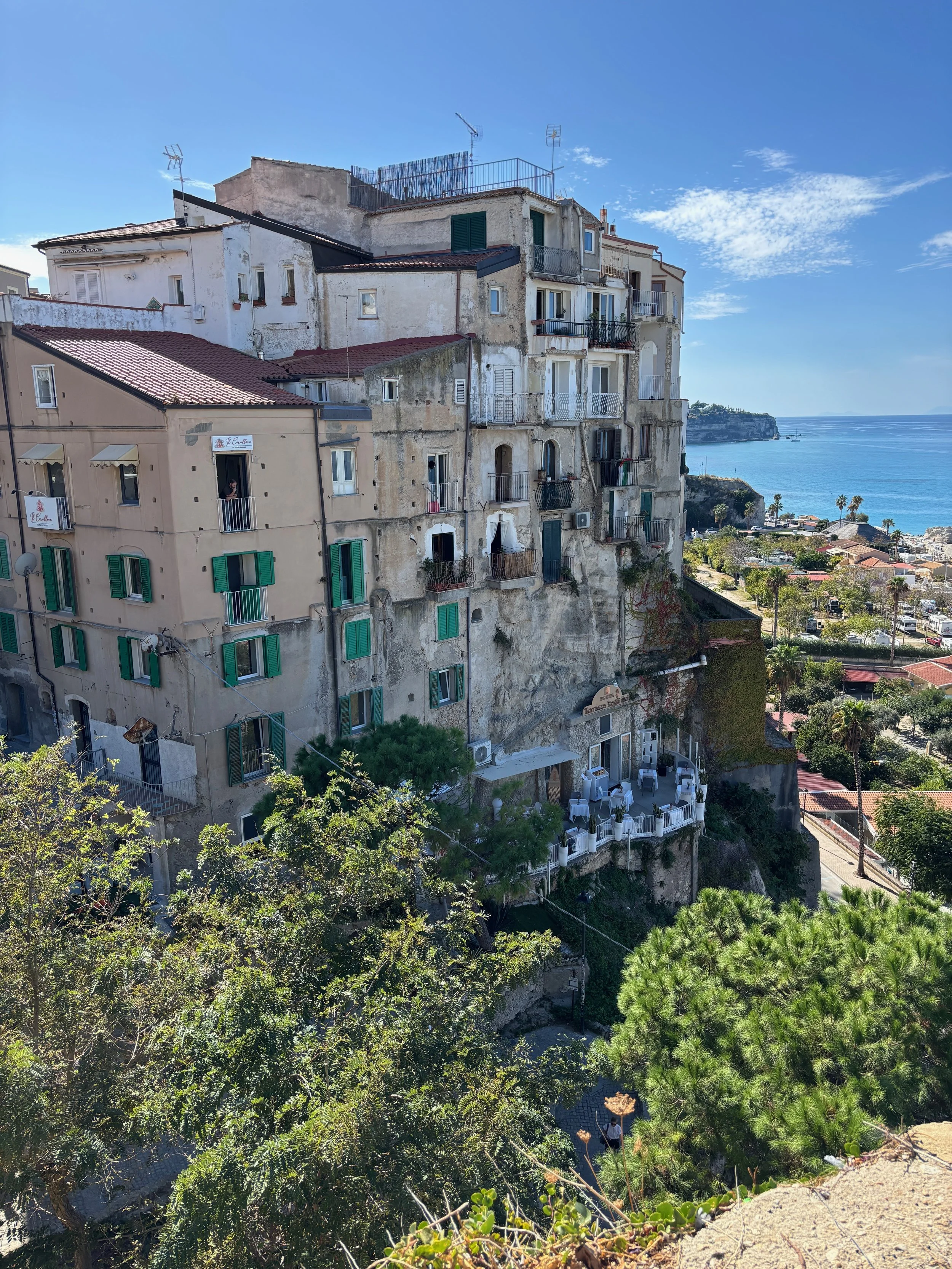
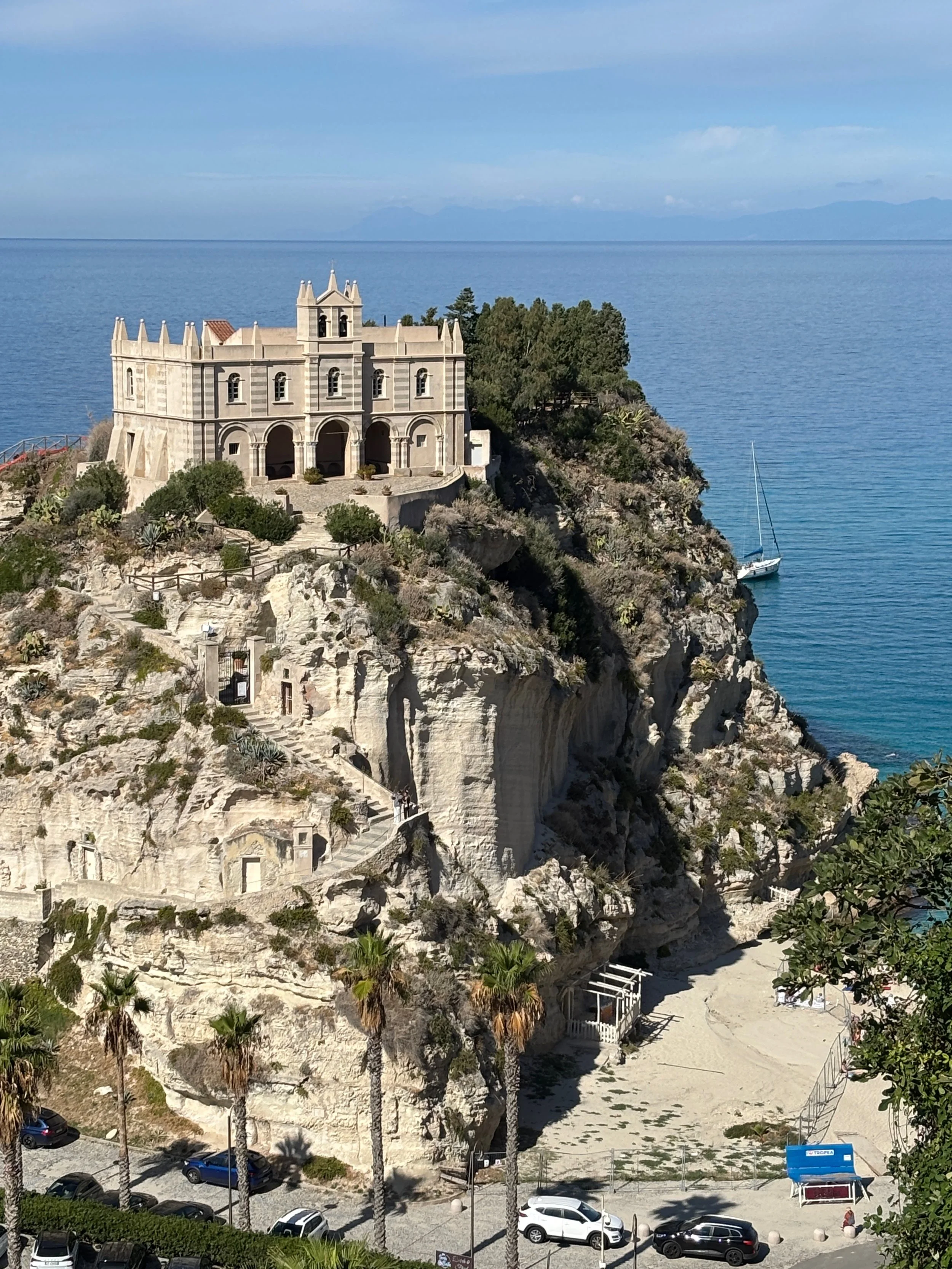
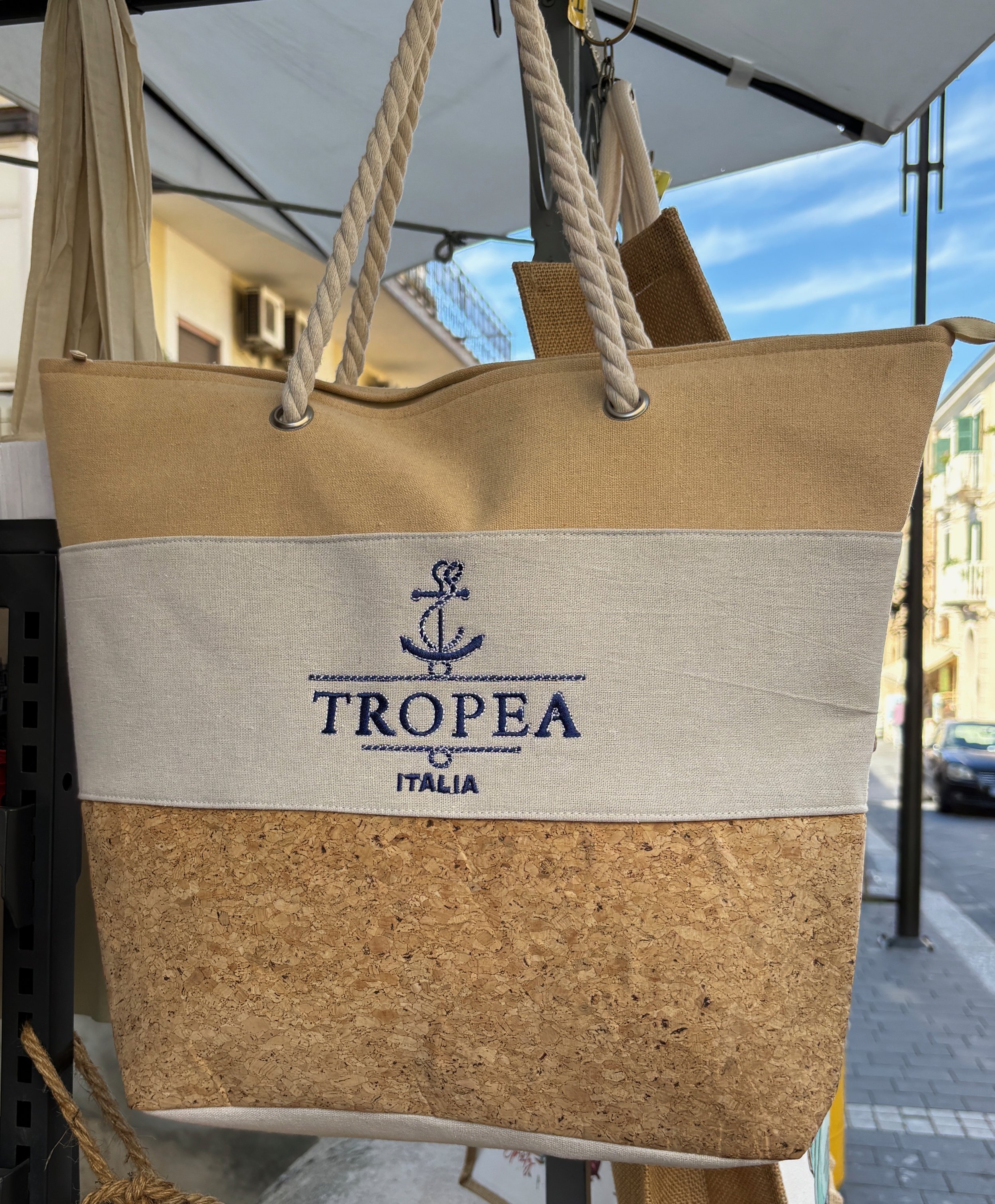
To Sant’ Illario dello Ionio through Tropea
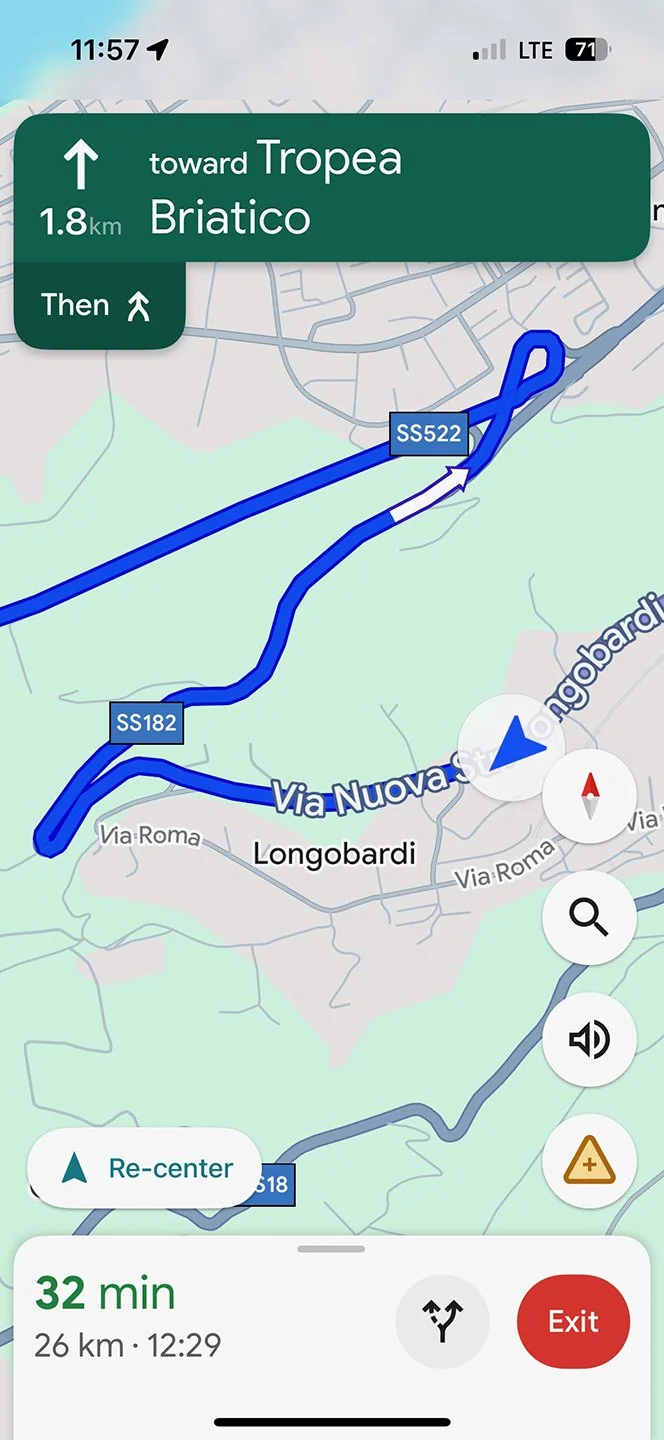
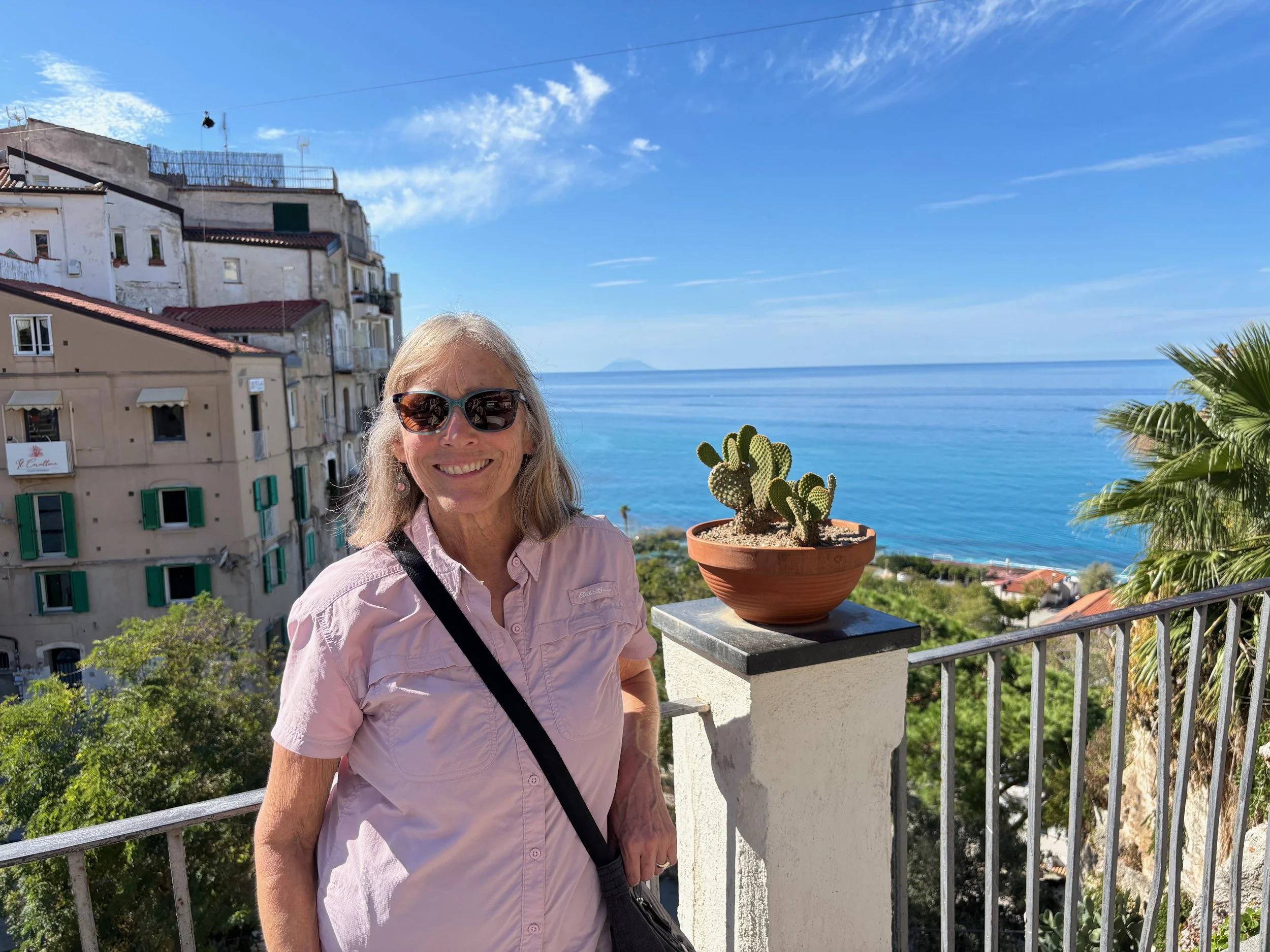
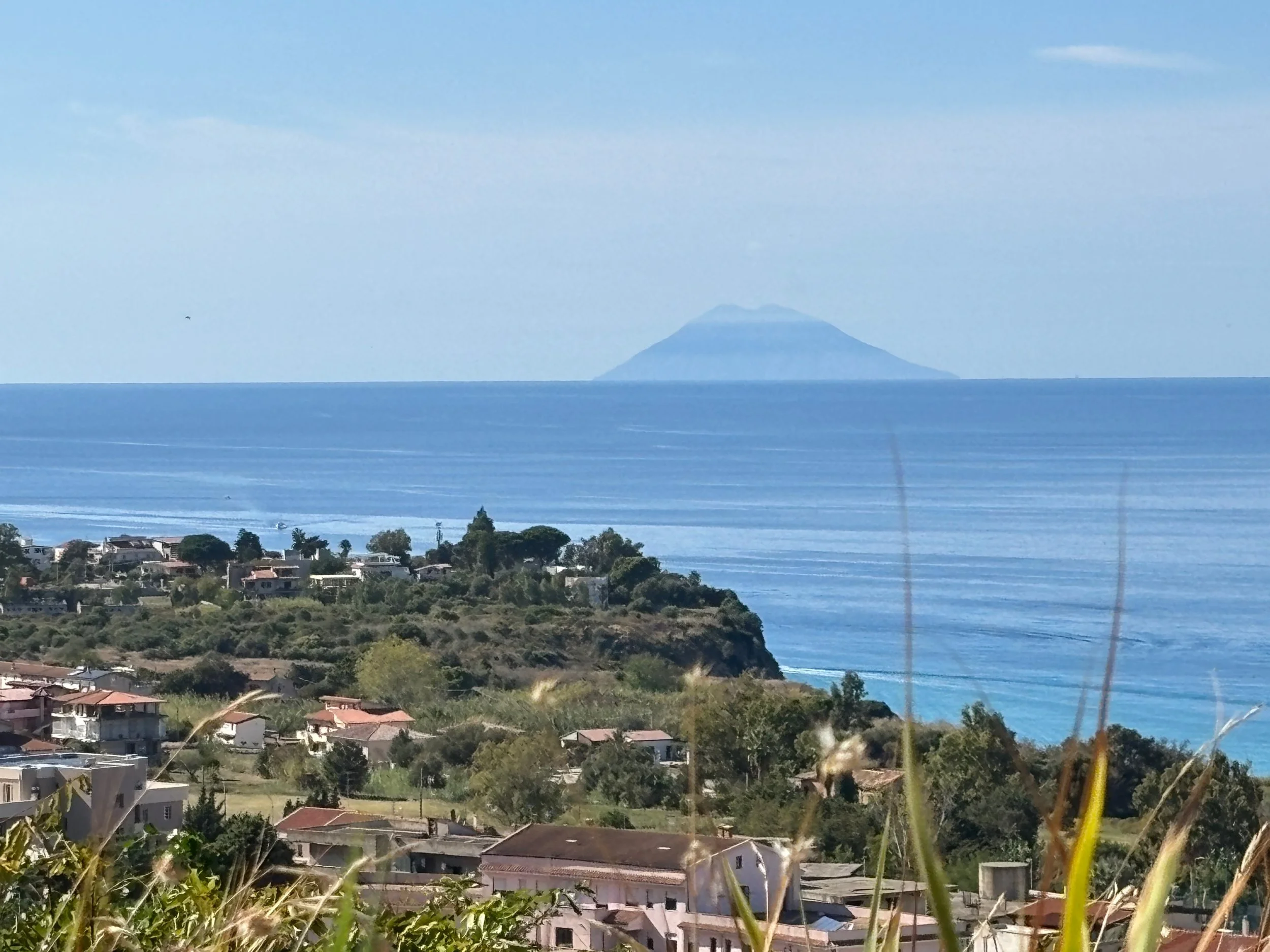
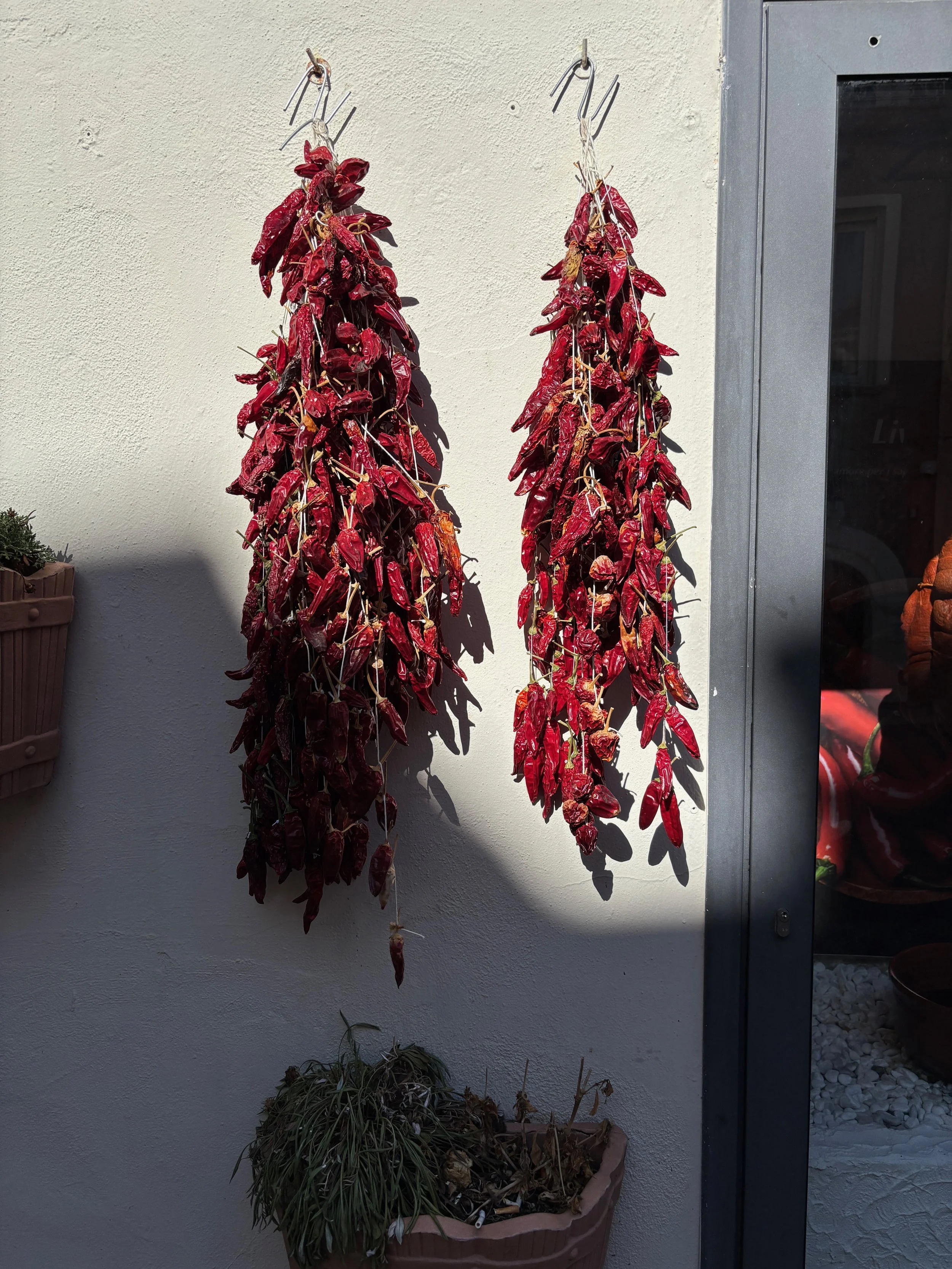
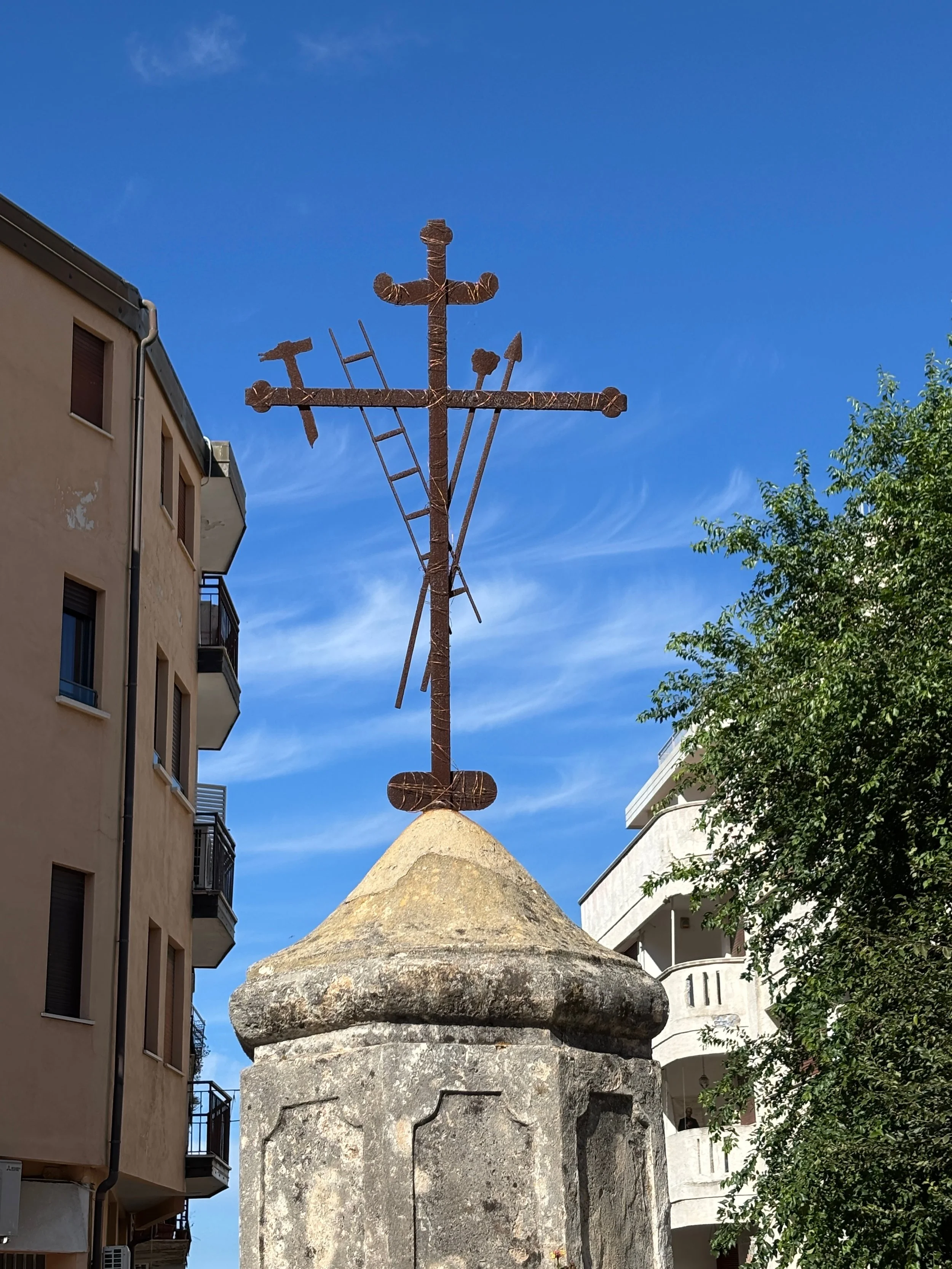
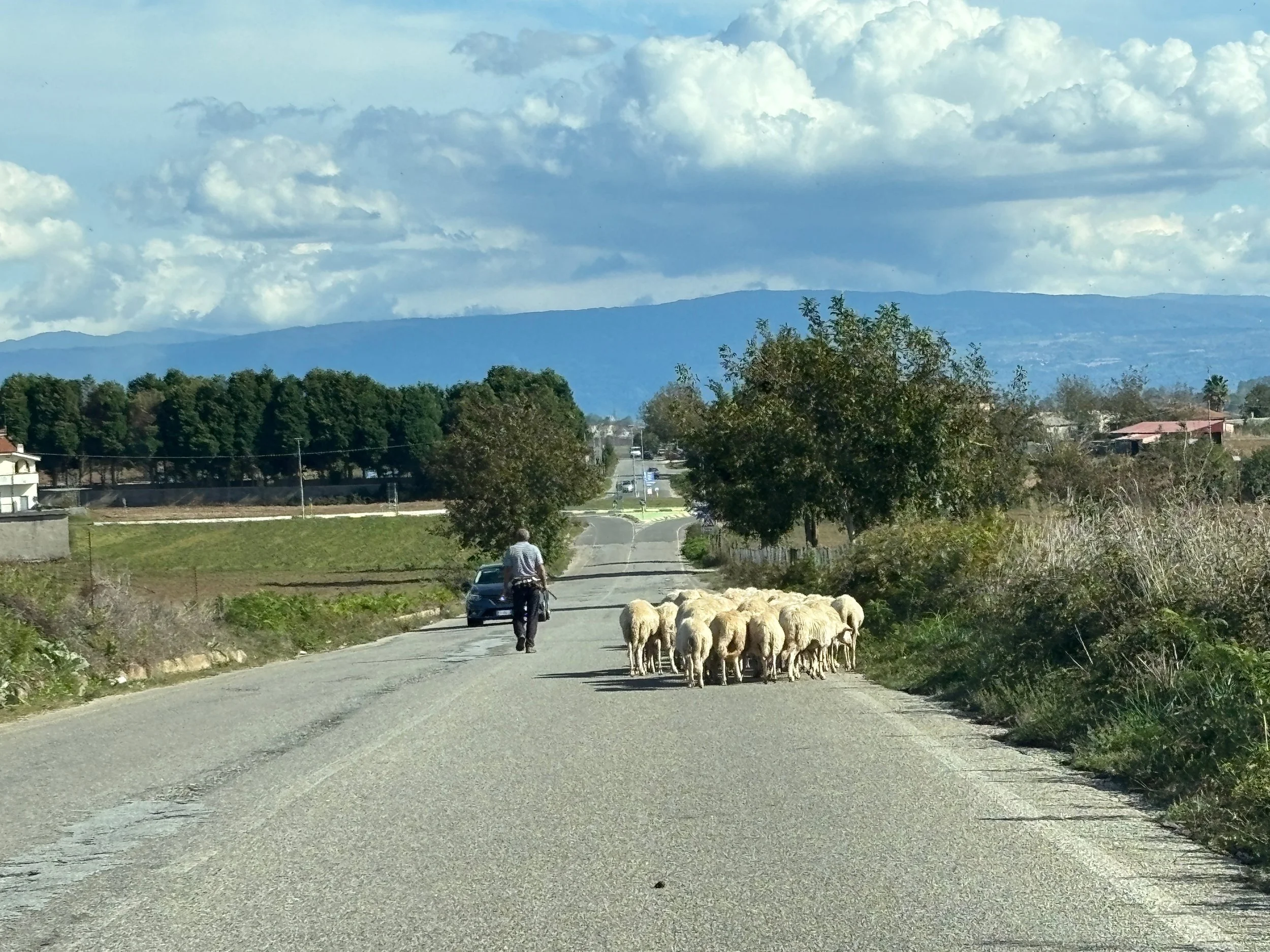
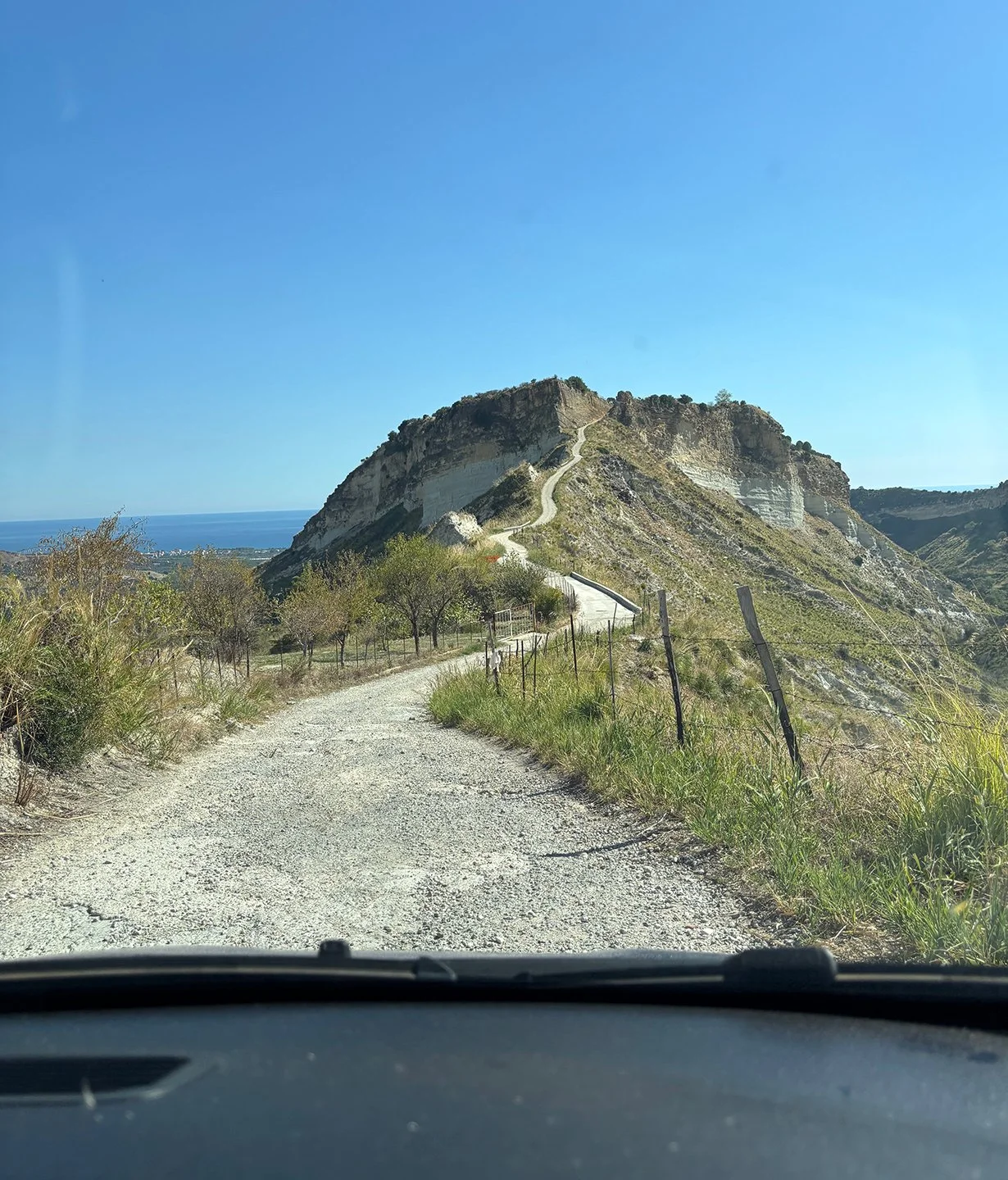
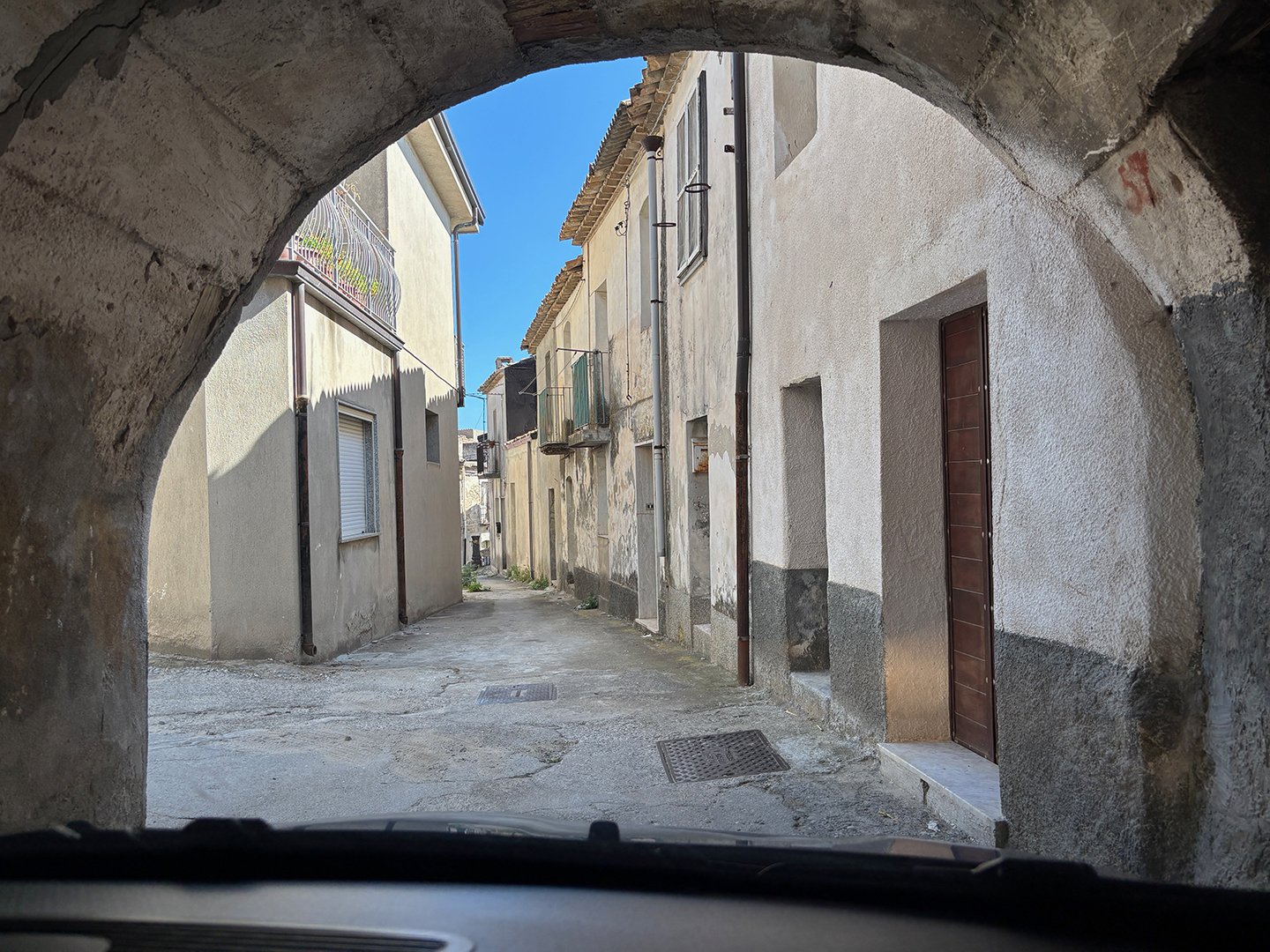
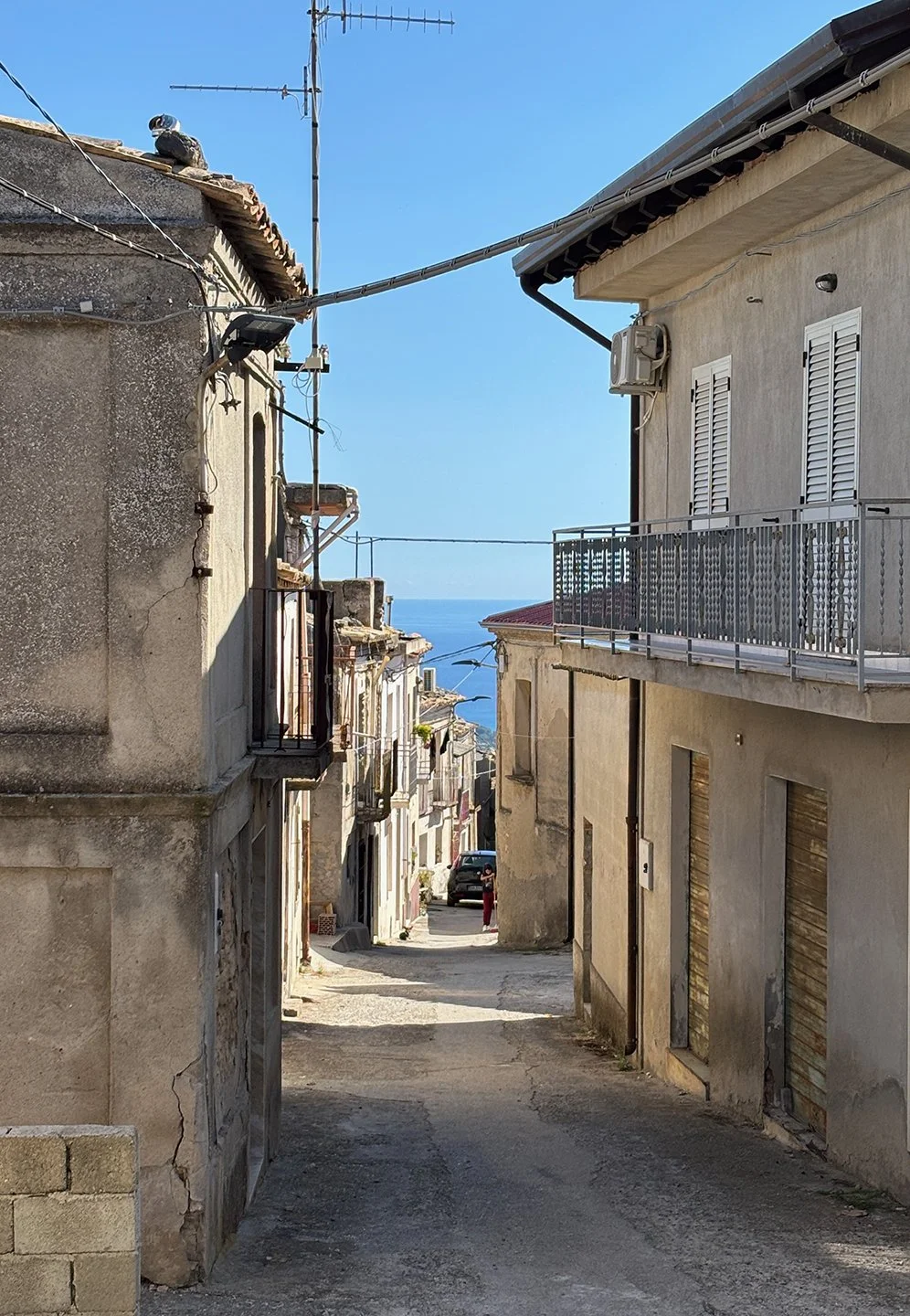
We plotted a route leaving Quattromiglia to go to the Ionian coast and stop at a beautiful seaside touristic town. Twisty and turny was an understatement! Check out the first photo in the gallery for one example.
Sant’ Illario dello Ionio and Ardore
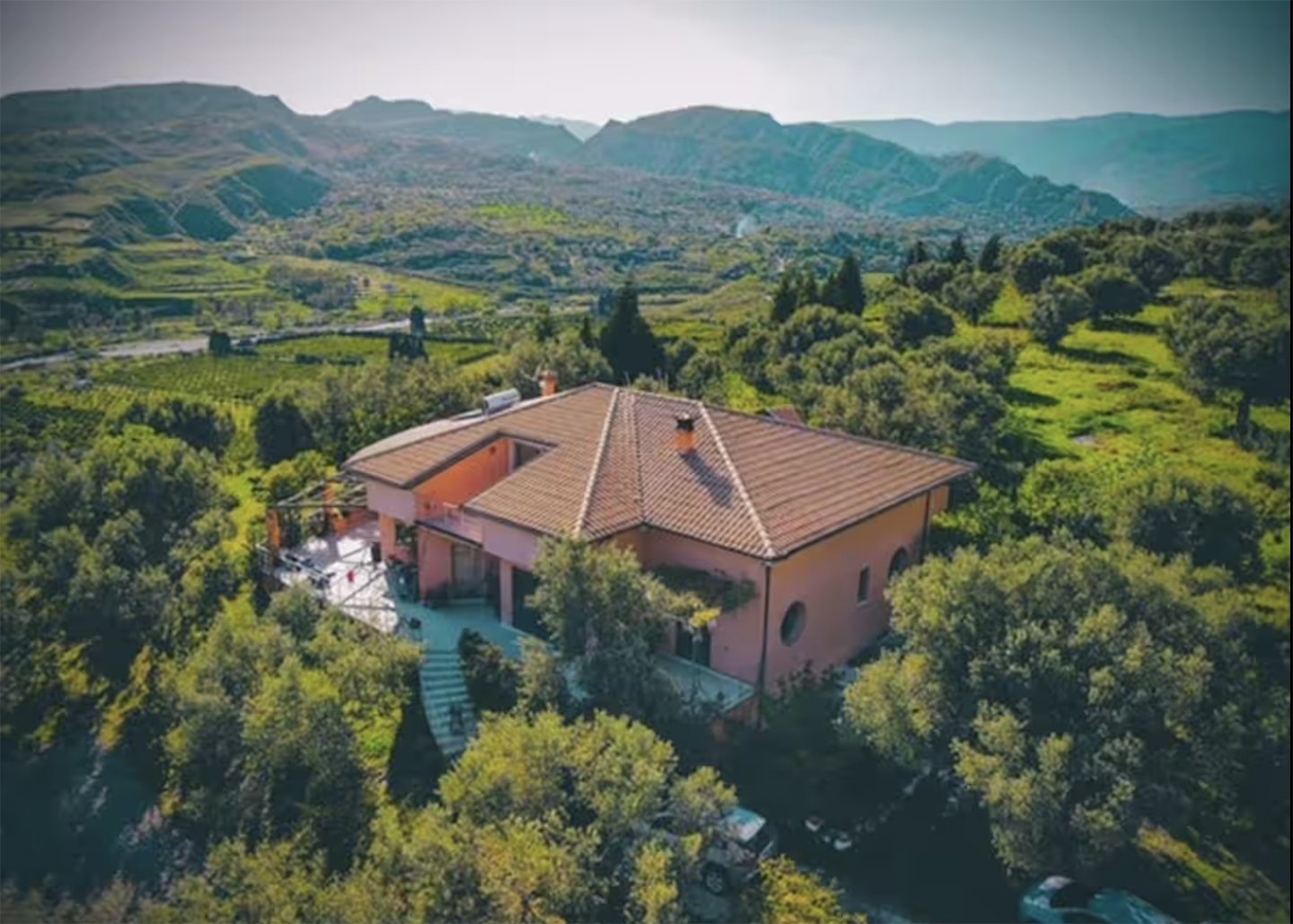
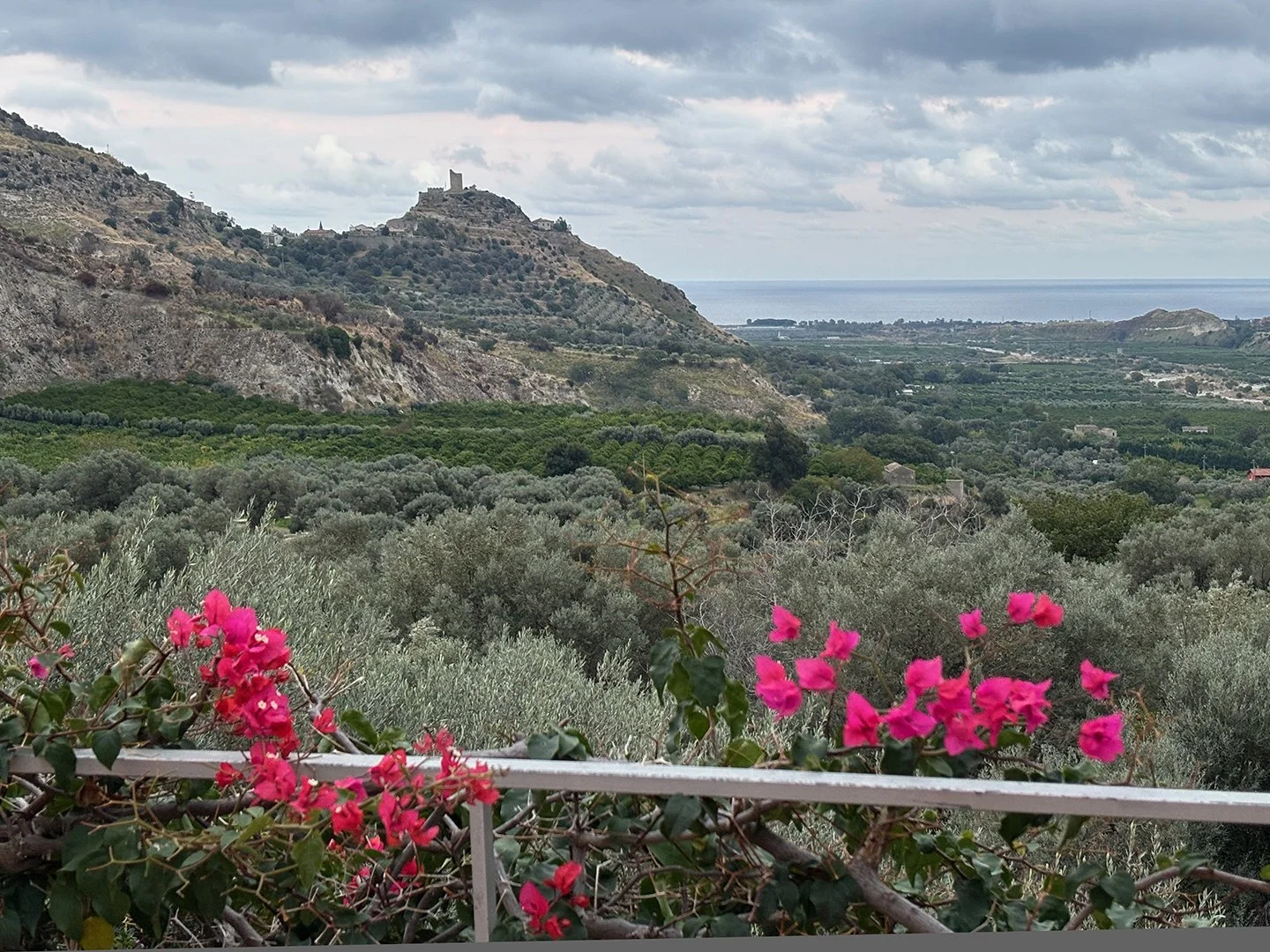
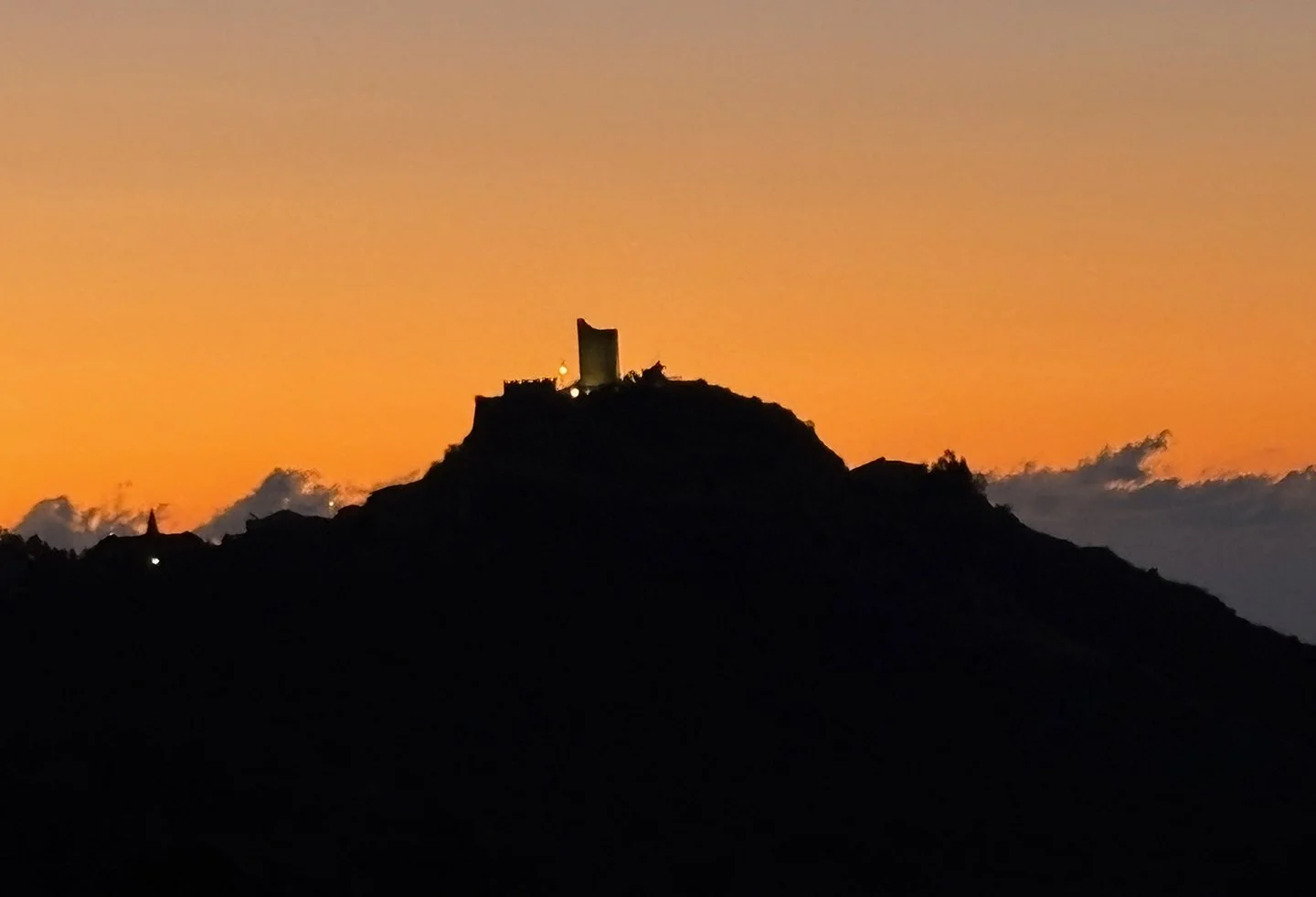
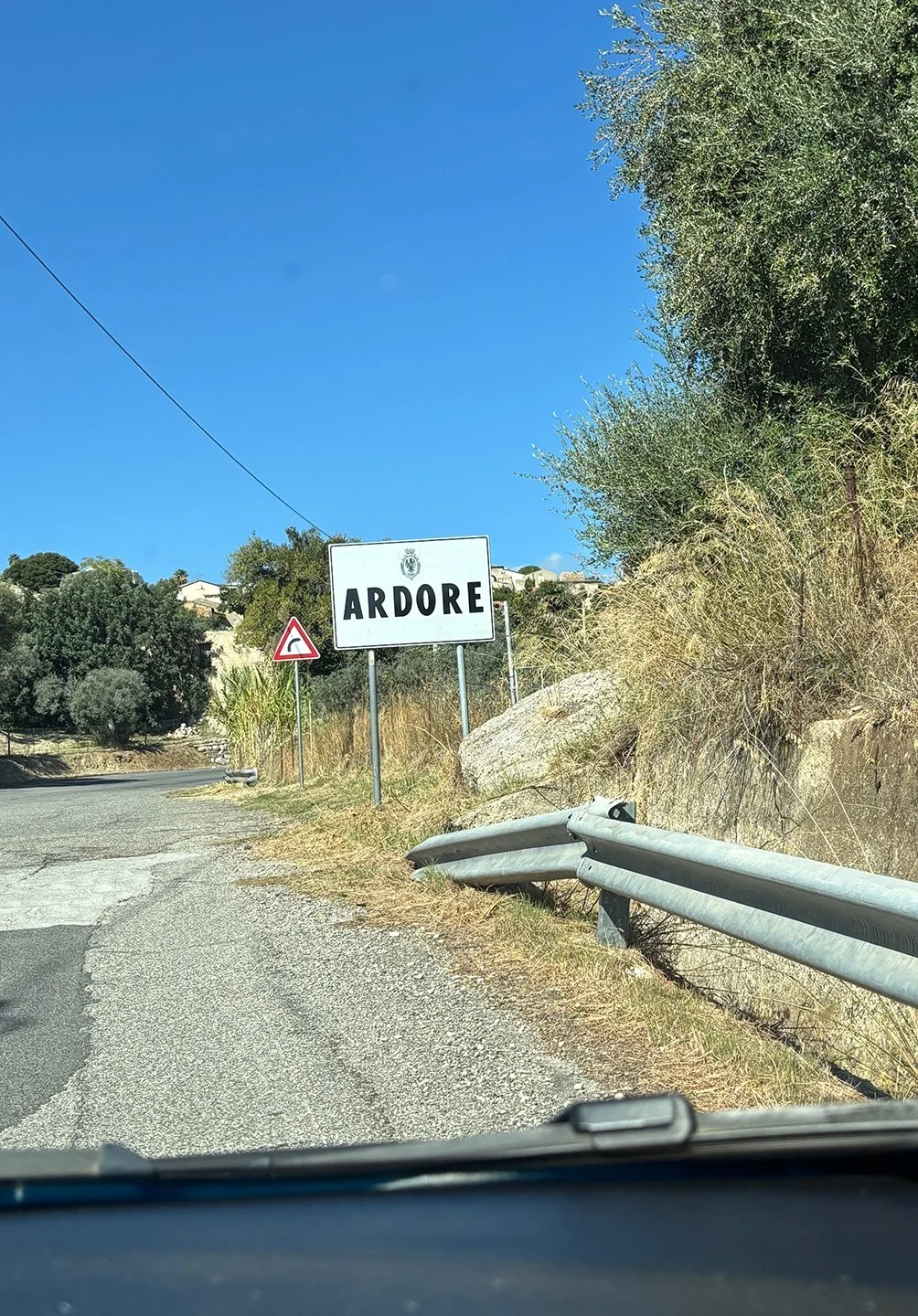
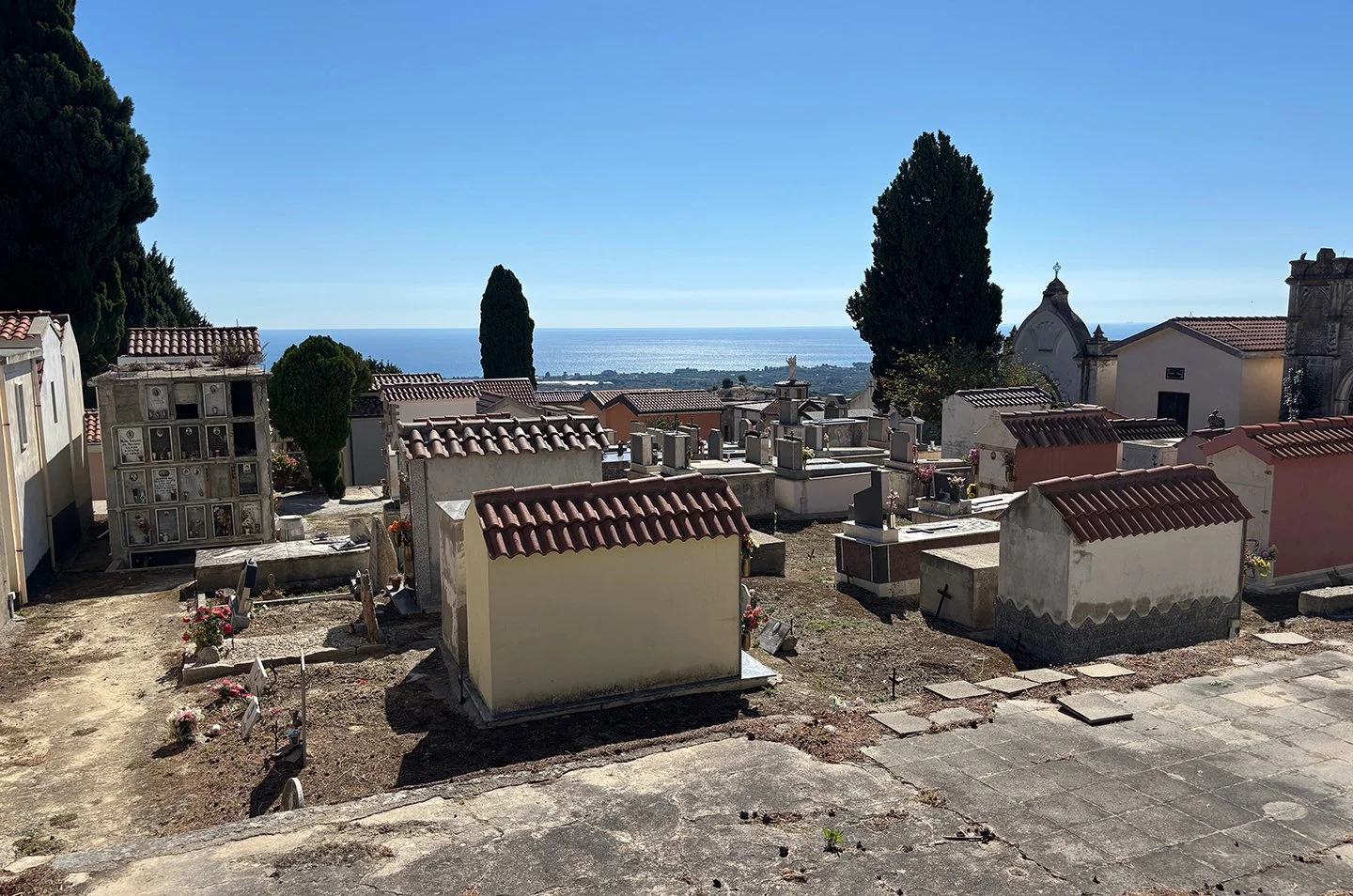
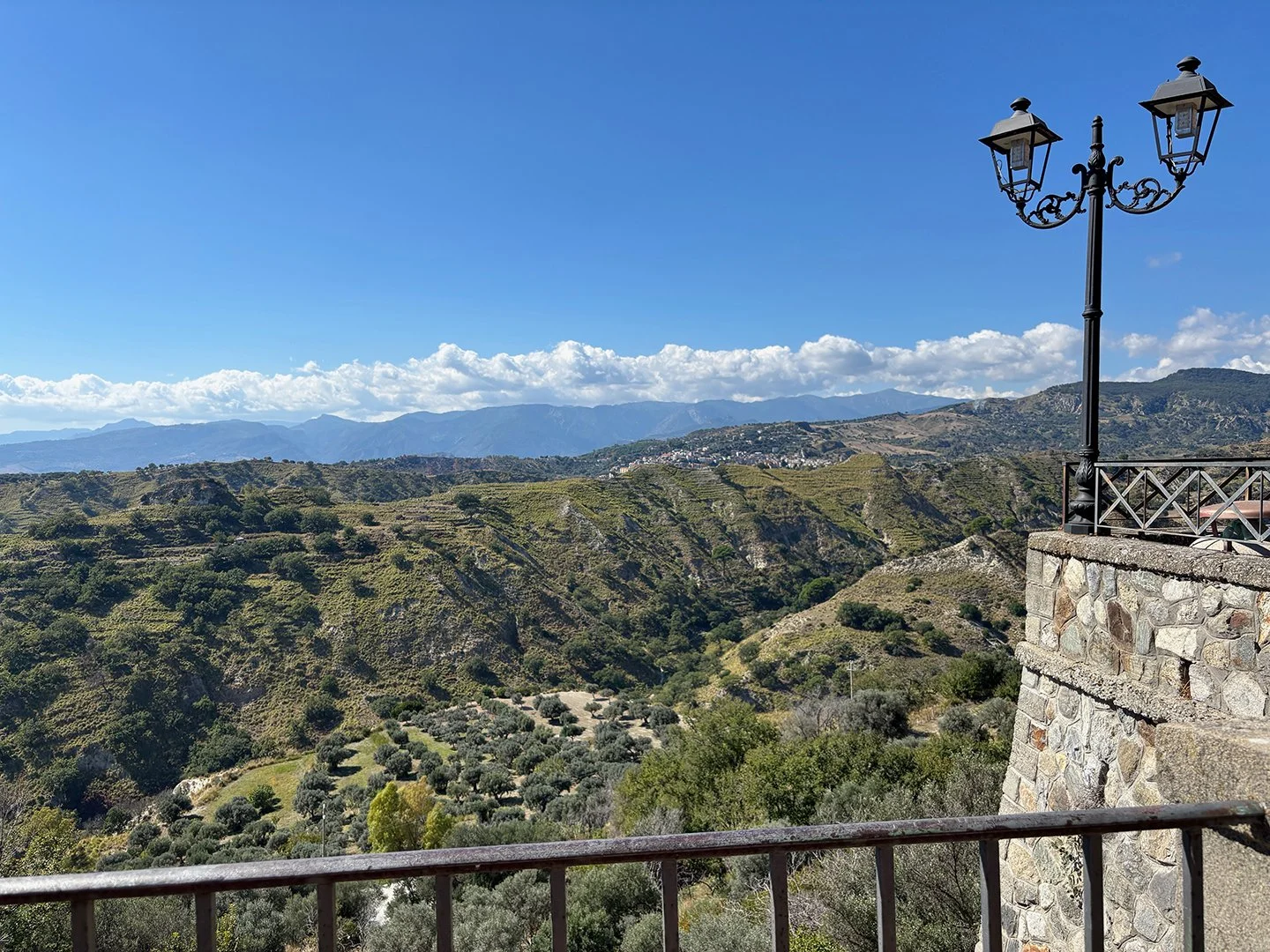
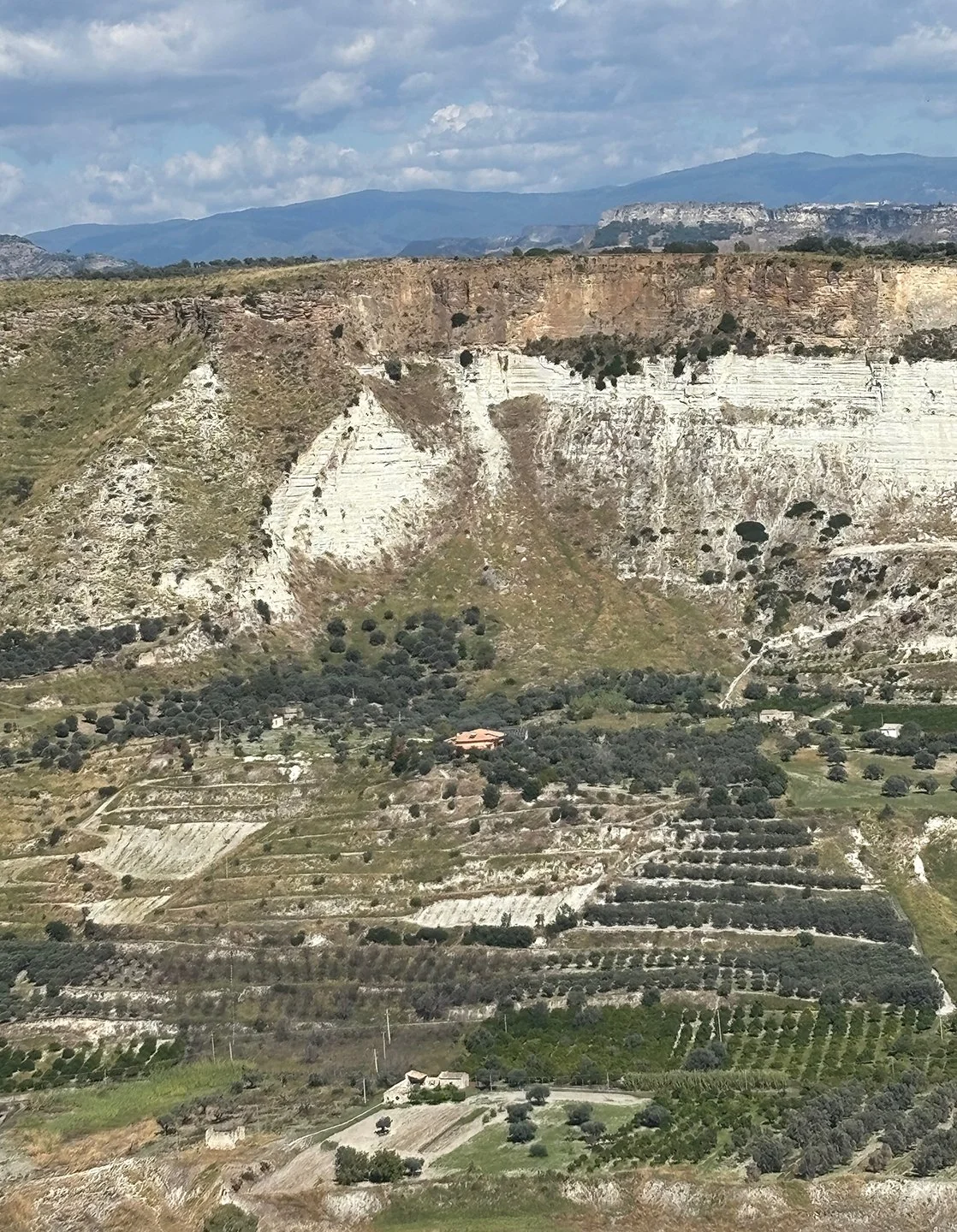
The other side of the family, the Panuzzis and Coluccios, came from the eastern side of the peninsula, on the Ionian Sea. This area has been inhabited for millennia, and is called Magna Graecia, as the Greeks settled here. My great grandfather Pasquale Panuzzi was born in Ardore and left for America when he was only 16 years old! Thankfully he wrote a memoir in 1956, when he was 71. That document helped me research this area, and follow his path to a place sacred to him and all the people from this area. You’ll see by the photos how rugged and beautiful this part of Italy is. We stayed in a beautiful home near Ardore, straight across a valley, a few minutes as the crow flies from Ardore. A family rents an apartment above their home, on an olive orchard facing dramatic white cliffs. They call the property Timpa Bianca, combining Greek and Italian words: timpa for rocky outcrop in Greek and bianca, Italian for white.
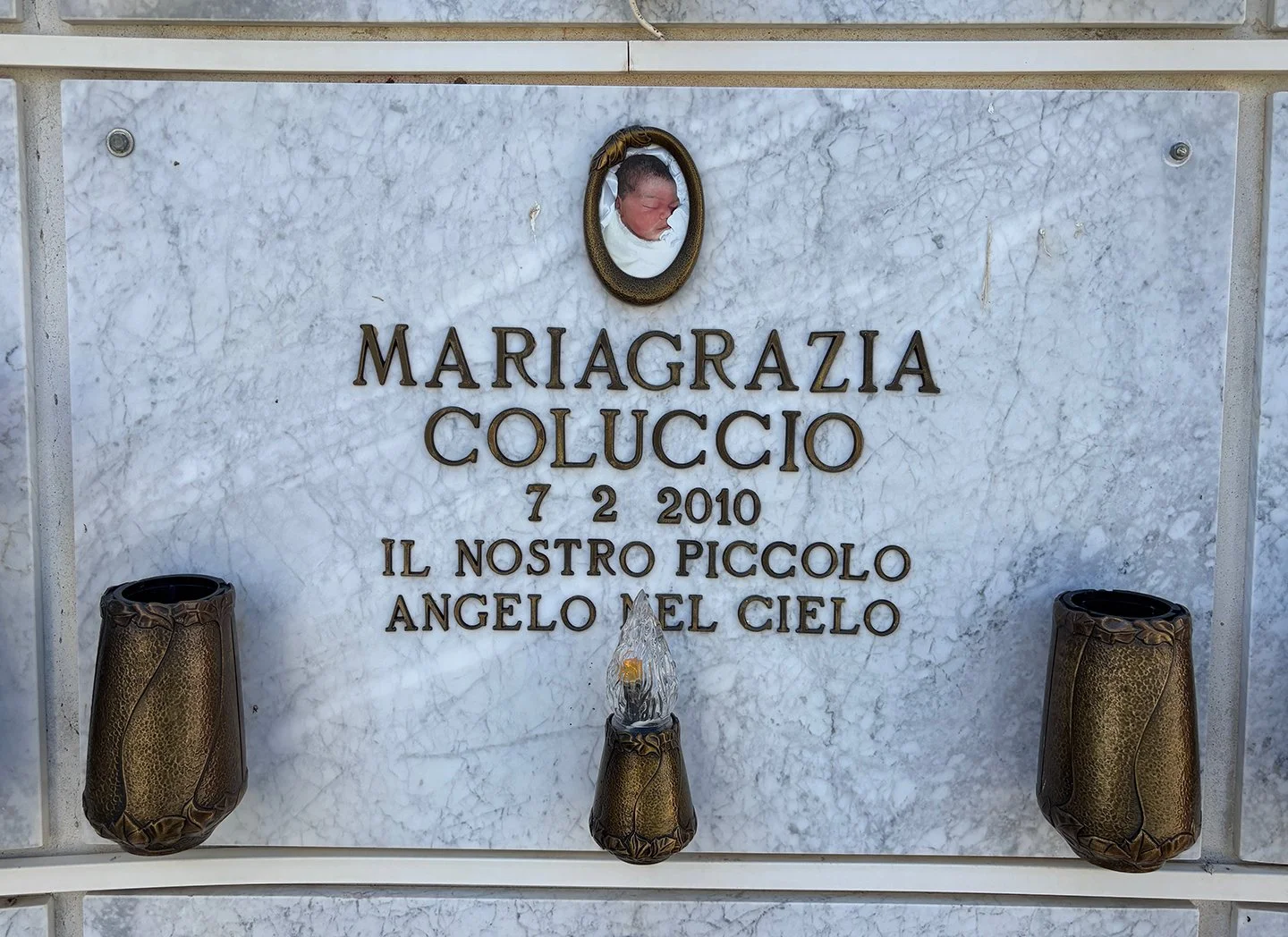
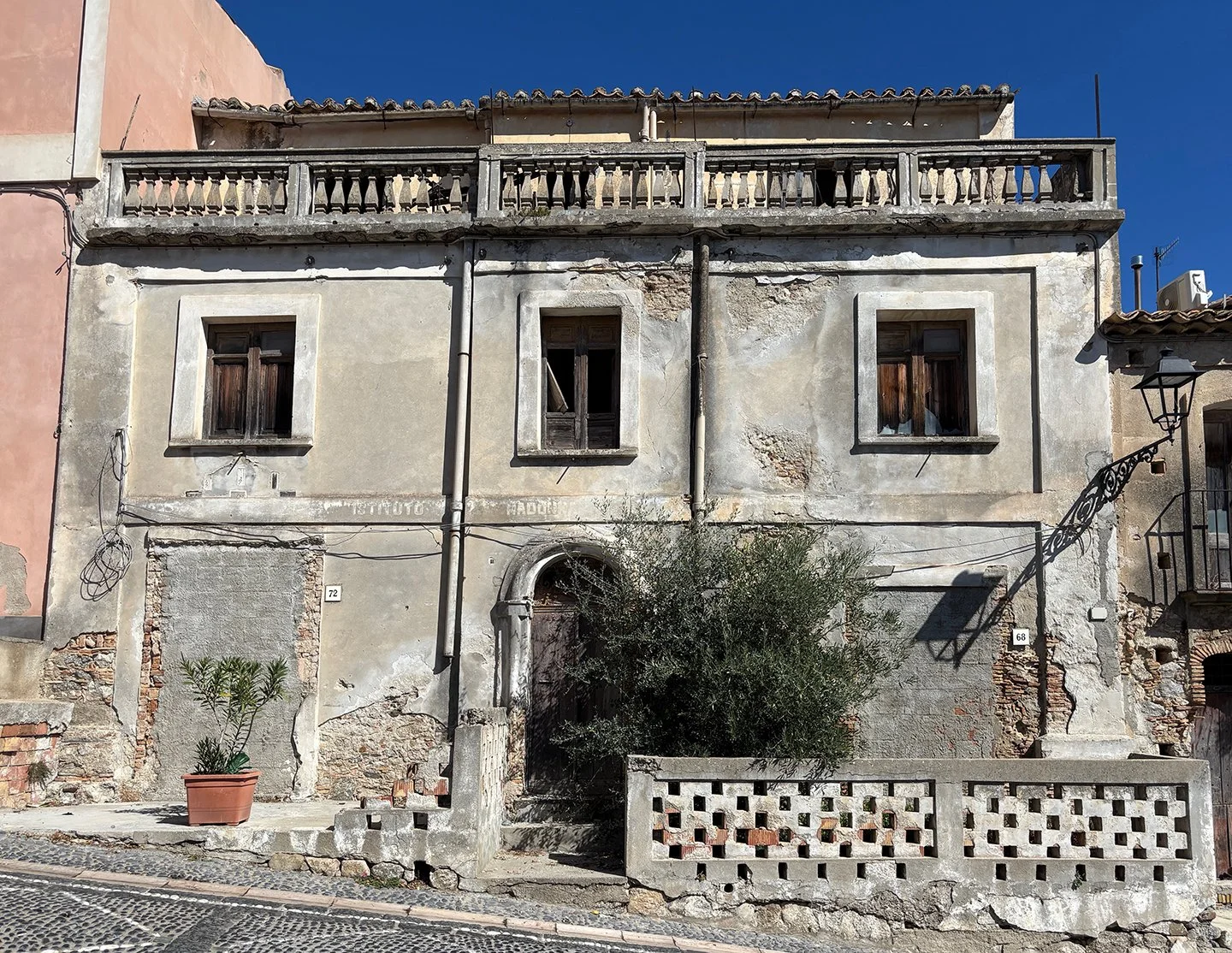
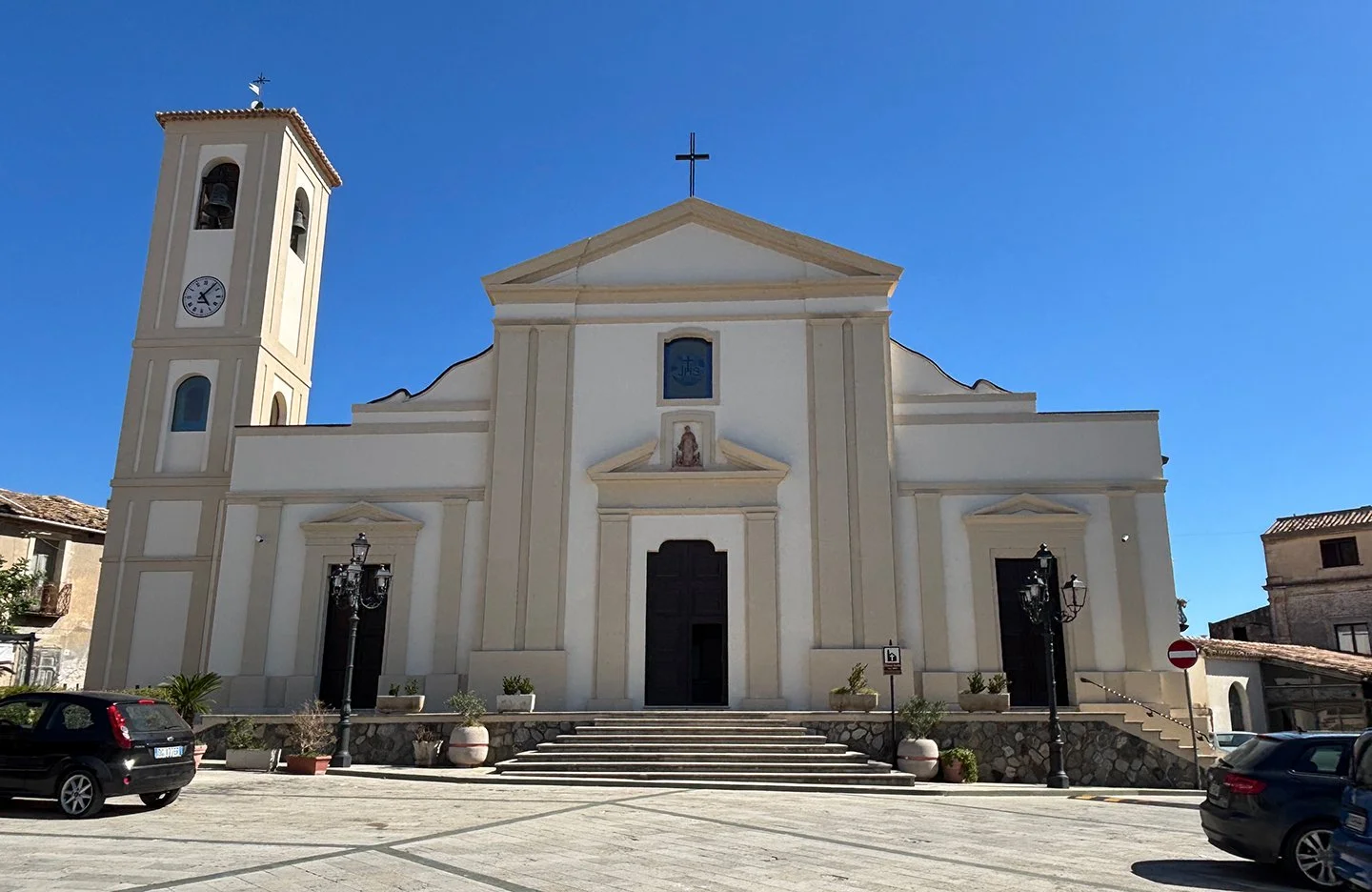
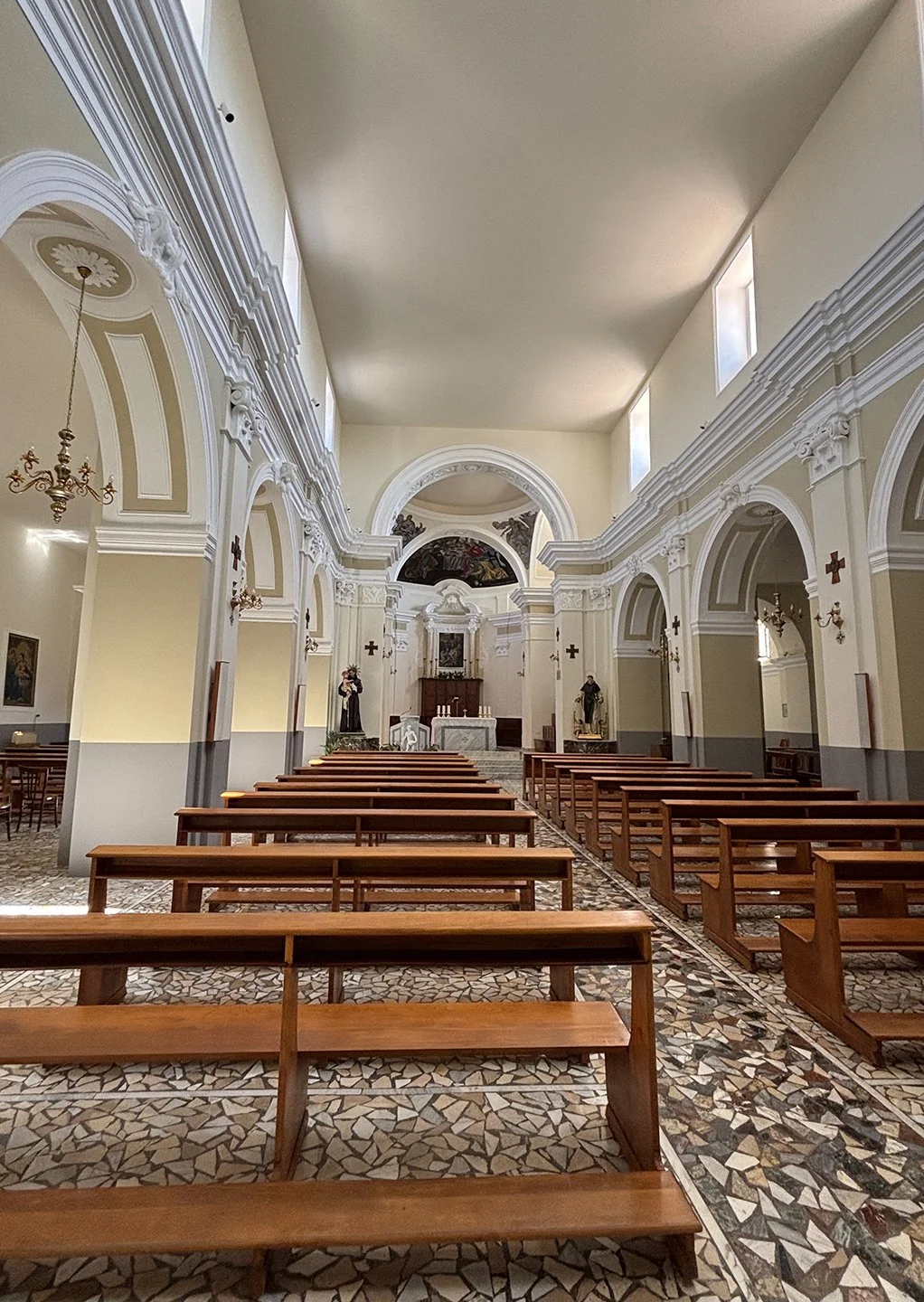
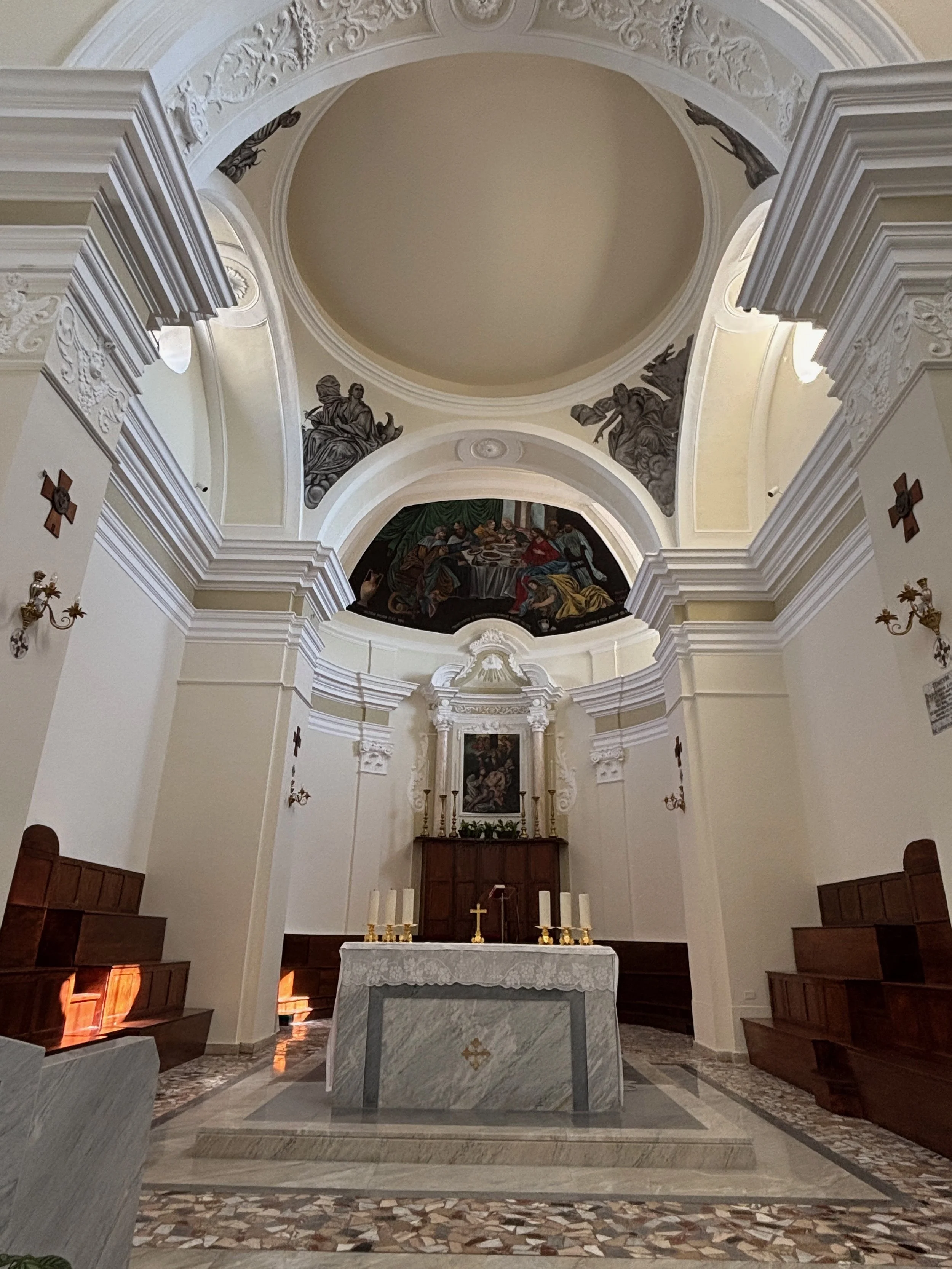


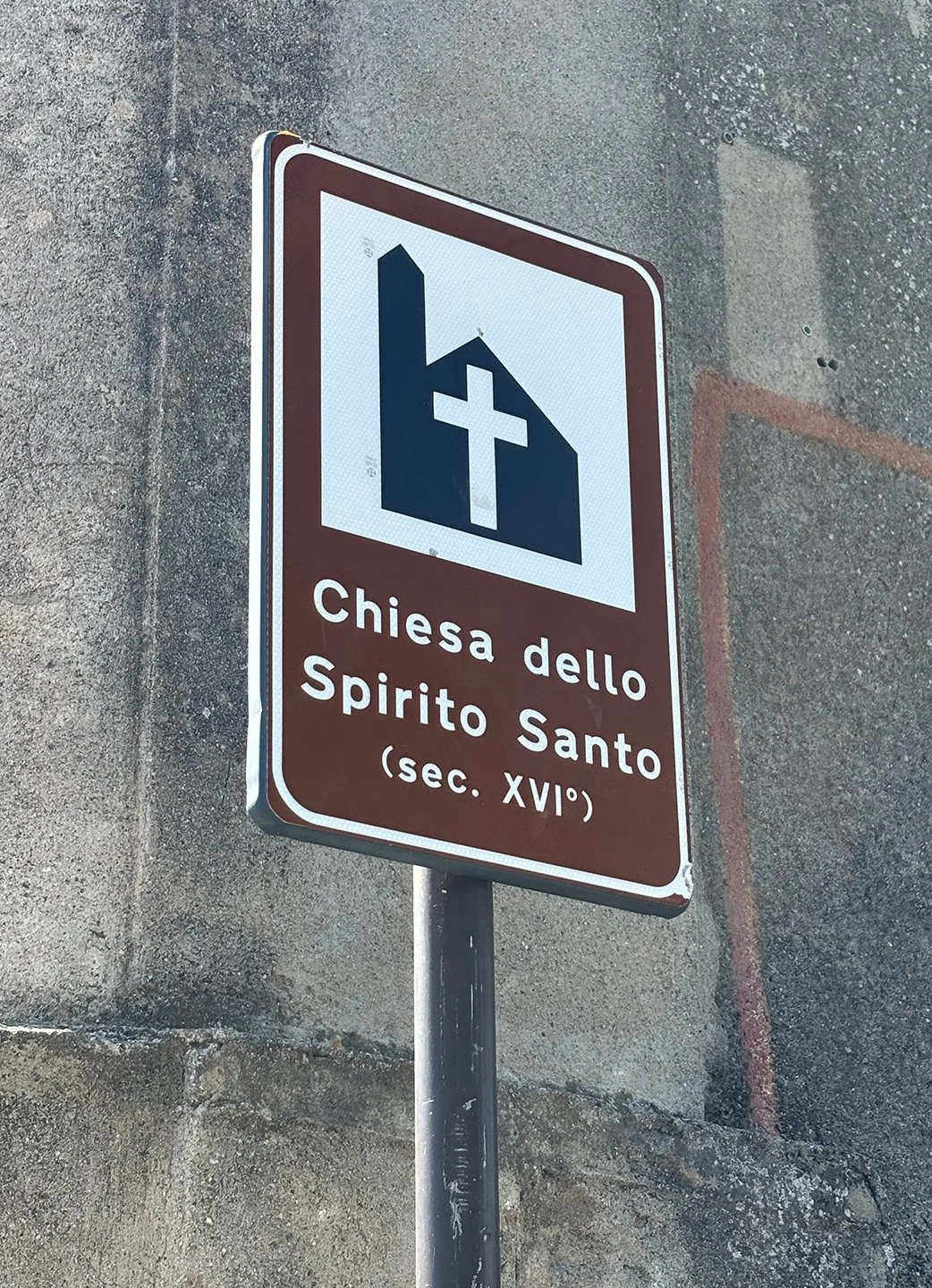
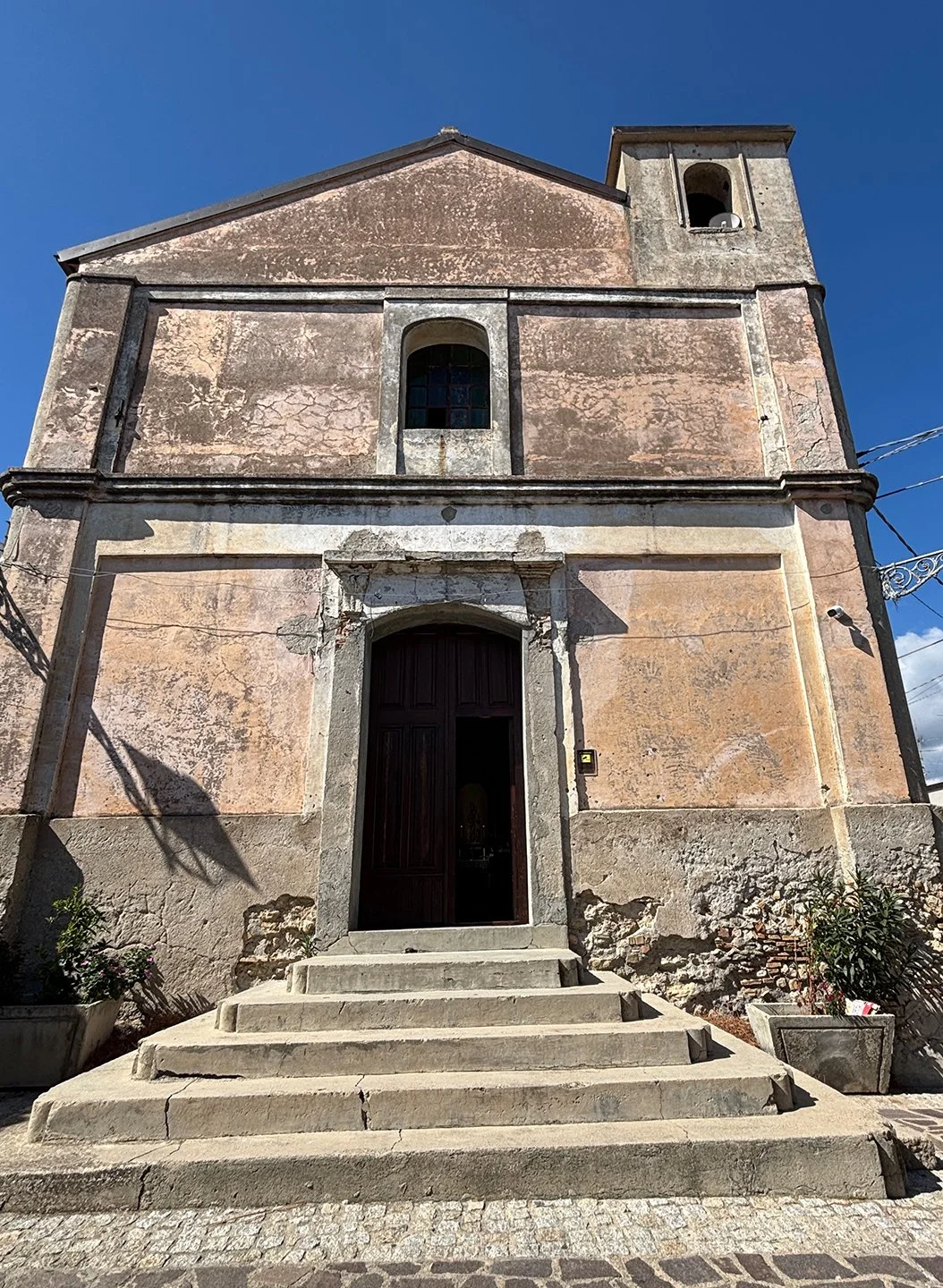
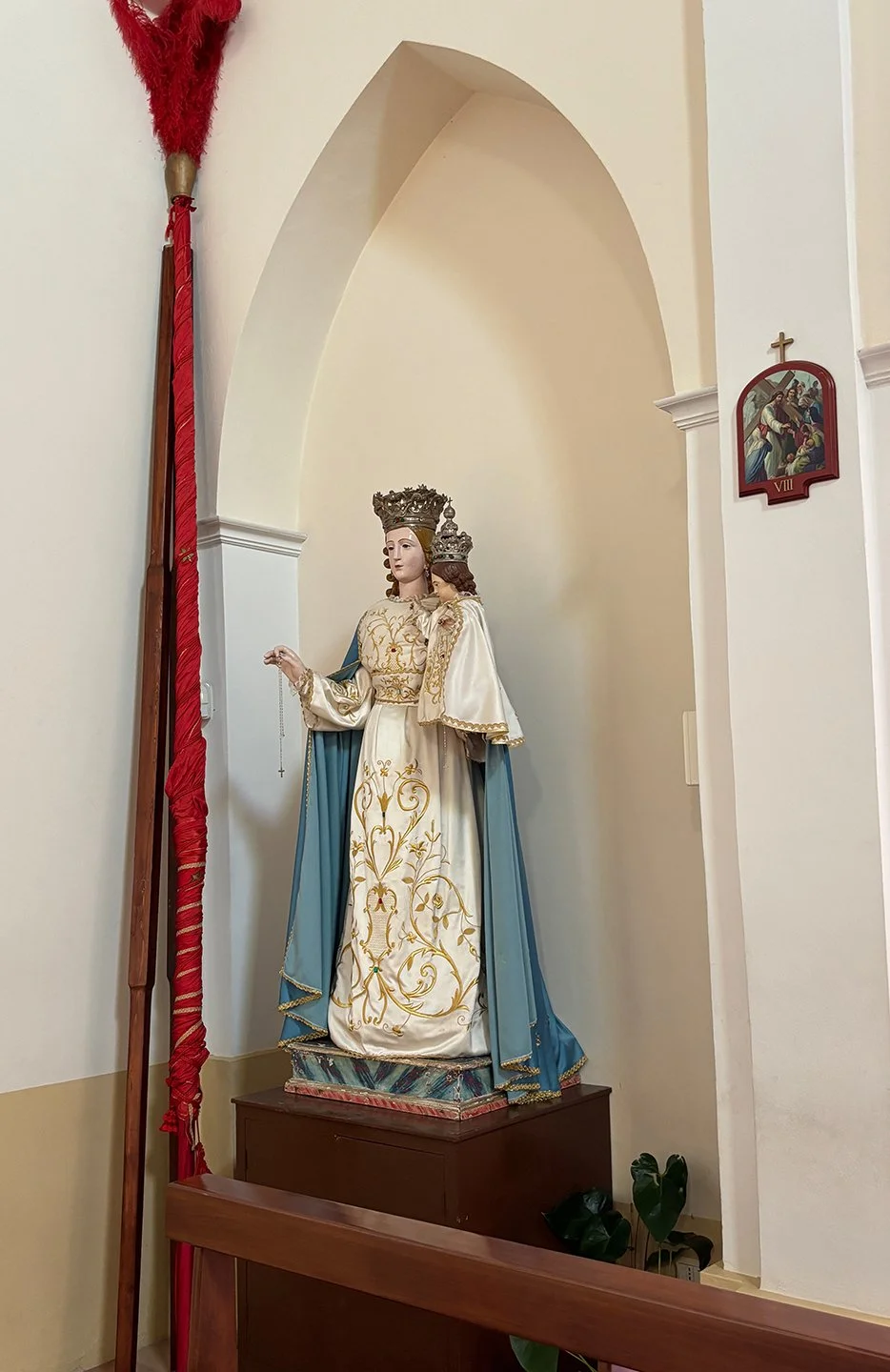

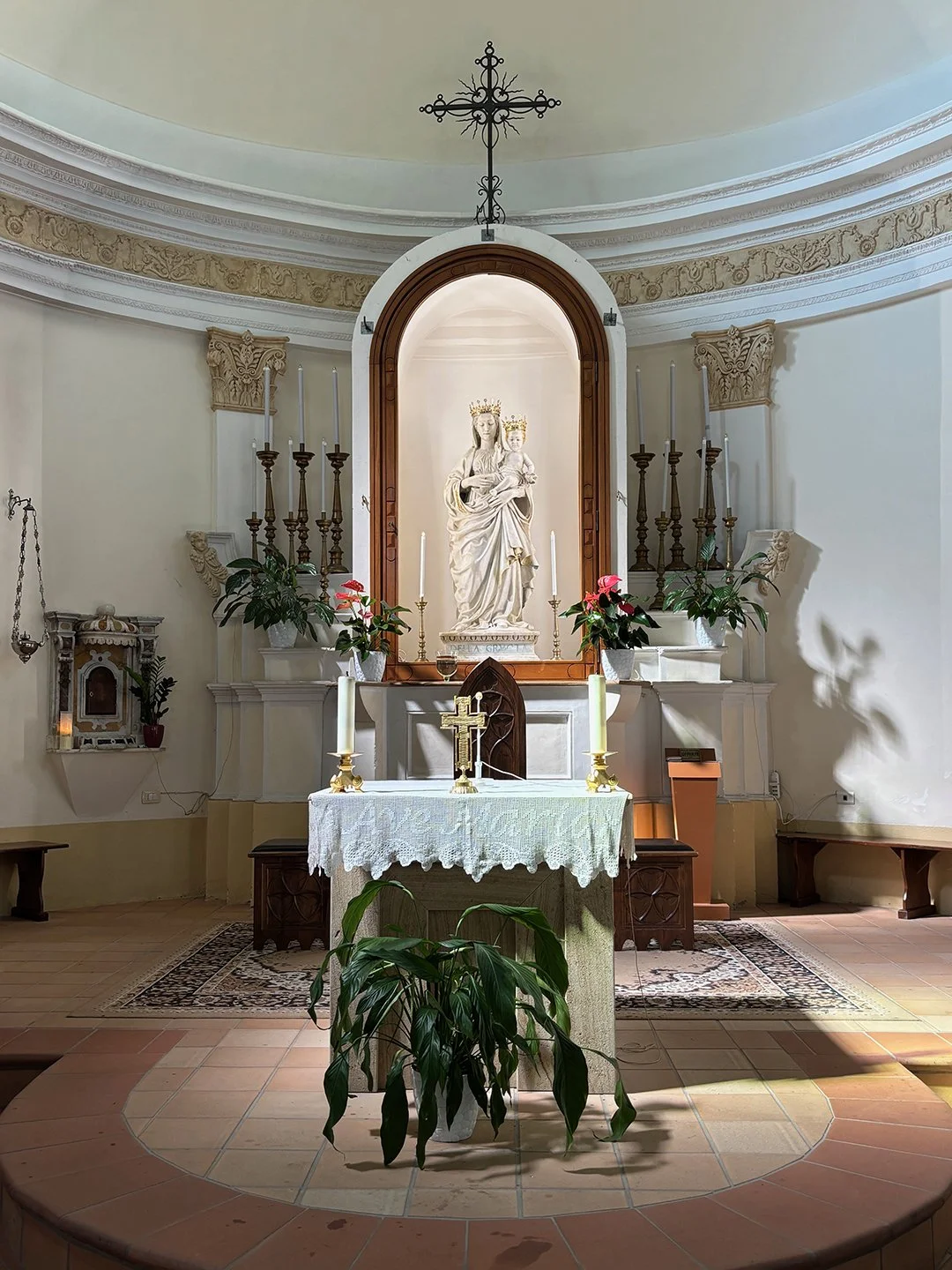
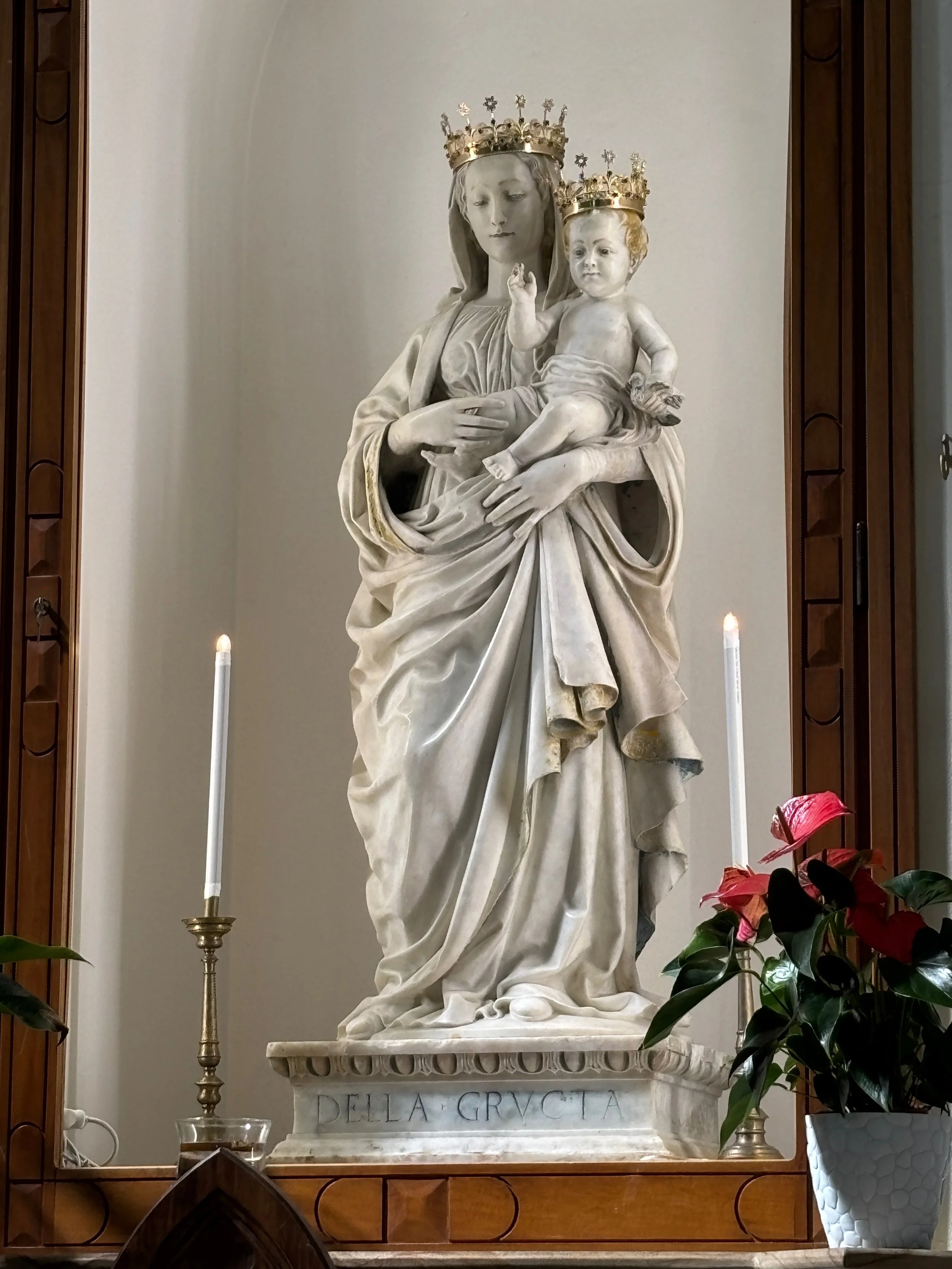
What is all this “Madonna della Grotta” stuff, you may ask. In Nono Pasquale’s memoir, he wrote lovingly about being a boy, and every May 3, the village people would make the pilgrimage up the steep slopes from Ardore to Bombile, where there was a cave with this statue. It had a deep backstory why it was in a cave carved into those white cliffs, but for centuries, people made the trek to honor the patron saint of this area. My nono (great-grandfather) would always pray to this Madonna throughout his life when he wanted extra help with things (as religious people do.) In doing research into this, I discovered that on May 28, 2004 (my birthday, oddly!), there was a landslide that completely filled in this cave and the statue of the madonna was buried! The townspeople were upset, and vowed to dig her out. So in 2008 they managed to do it, and recover the statue. They relocated it to the village church that is pictured above. With all that dramatic history, we had to make this pilgrimage for ourselves!